Poltava Travel Guide: History and Halushky
Why Poltava Is Worth a Trip
Poltava is one of central Ukraine’s most rewarding city breaks: compact, walkable, and rich in history, literature, and food traditions. It is often associated with the Battle of Poltava, one of the key events in European history, but the city is much more than a military landmark. Visitors will find leafy squares, elegant 19th-century architecture, calm parks, and a strong sense of local identity that makes Poltava feel both classic and lived-in.
For travelers planning a 2026 trip, Poltava works well as a one- to two-day destination or as part of a broader route through central Ukraine. The city is easy to explore on foot in the center, and most major sights are close enough to combine in a single itinerary. If you are coming from Kyiv, Kharkiv, or Dnipro, it is a practical stop with enough depth to justify staying overnight rather than rushing through. The best approach is to slow down, explore the historic center, and leave time for a proper meal of halushky, the dish most closely tied to the city’s culinary identity.. Travel insurance for Ukraine
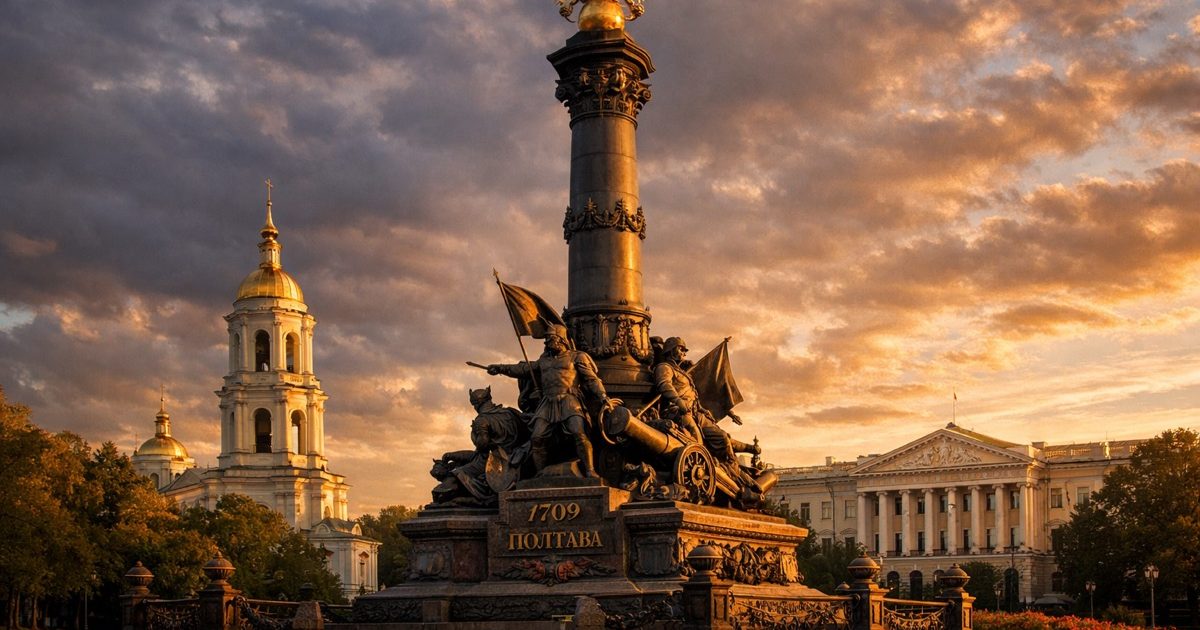
Battle of Poltava Museum and the 1709 Battlefield
The Battle of Poltava Museum is the essential stop for understanding why the city appears so often in history books. The battle, fought in 1709, was a turning point in the Great Northern War and reshaped the balance of power in the region. The museum helps visitors make sense of the conflict through exhibits, maps, uniforms, weapons, and contextual displays that explain the military and political stakes without requiring specialist knowledge.
If you have time, plan to visit the museum together with the battlefield memorial area outside the city center. The site is more meaningful when you combine the indoor exhibits with the landscape itself, since the terrain and monuments help tell the story. Wear comfortable shoes and allow extra time for transport if you are not using a taxi or private car. In 2026, it is worth checking opening hours in advance, especially around holidays or during special events, because schedules can change. For travelers who want to understand Ukrainian history beyond the usual capital-city route, this museum is one of the most useful and memorable places in Poltava.
A practical tip: if you are traveling with children or with someone who prefers shorter museum visits, focus first on the main exhibition and the outdoor memorial area rather than trying to see everything in one go. The site is best absorbed in stages, with time to read, walk, and pause for photos. We recommend keeping digital copies of tickets, IDs, and emergency contacts if you are traveling between cities, especially if your itinerary includes multiple historical sites.
Halushky, Festivals, and What to Eat in Poltava
No visit to Poltava is complete without halushky, the soft dough dumplings that have become a symbol of the city. They are usually served with butter, sour cream, meat, mushrooms, or gravy, and the best versions are simple, fresh, and generously portioned. In local restaurants, you may see them listed as galushky or halushky; both spellings are common in travel materials. The dish is comforting rather than fancy, but that is exactly why it matters: it reflects the everyday food culture of central Ukraine.
If your trip coincides with a halushky festival or a city food celebration, take the chance to try multiple versions in one place. Festivals often include live music, folk performances, cooking demonstrations, and stalls selling regional products. These events are one of the best ways to meet locals and see how Poltava presents itself to visitors. In 2026, festival dates should be checked directly with organizers or the city’s official tourism channels, since event schedules can shift.
Beyond halushky, look for other regional dishes such as borshch, varenyky, homemade pickles, and desserts served with tea or uzvar. Many cafes in the center offer modern interpretations of traditional food, while older canteens or family-run restaurants may give a more straightforward local experience. If you want the most authentic meal, ask staff which dishes are made in-house that day and whether the kitchen has any seasonal specials. That simple question often leads to the best food on the menu.
Architecture and the Historic Center
Poltava’s architecture is one of its biggest strengths. The city center combines classic merchant buildings, administrative architecture, churches, and broad public spaces that create a calm, balanced urban feel. Unlike cities dominated by one dramatic skyline, Poltava rewards slow walking: details appear gradually, from decorative facades and carved balconies to tree-lined streets and open squares. The result is a city that feels elegant without being overwhelming.
A good walking route usually includes the historic center, key memorials, and the main viewpoints around central squares and parks. Pay attention to the scale of the streets and the way older buildings are arranged around generous public spaces. This is part of what gives Poltava its identity. You will also notice that the city has a distinctly literary and cultural atmosphere, shaped by its role in Ukrainian intellectual history and its association with writers, educators, and civic life.
When planning your route, build in time for rest stops. The center is easy to walk, but the most pleasant visits happen when you are not trying to rush from one sight to another. Cafes, benches, and shaded areas make it easy to pause between landmarks. If you enjoy photography, morning and late-afternoon light are best for the architecture, especially on clear days when the colors and textures of the facades are easier to capture.
Local Culture, Practical Travel Tips, and How to Plan Your Visit
Poltava’s local culture is warm, polite, and understated. People tend to be helpful, but like in much of Ukraine, it is best to be respectful, direct, and patient. A few basic Ukrainian phrases can make a noticeable difference, especially in smaller cafes, shops, and taxi rides. Even simple greetings and thanks are appreciated. The city’s cultural life also includes museums, theaters, concerts, and seasonal public events, so check what is happening during your stay if you want more than sightseeing.
For practical planning, Poltava is best visited in spring, summer, or early autumn, when the weather is comfortable for walking and outdoor dining. Winters can be atmospheric but cold, so shorter daylight hours may limit how much you can comfortably see. Book accommodation near the center if possible, since that makes it easier to visit the museum, restaurants, and architecture highlights on foot. Public transport and taxis are available, but a central base saves time and reduces friction during a short stay.
Before you travel in 2026, check current transport connections, opening hours, and any local safety updates. Bring cash and a card, keep your phone charged, and save offline maps in case of weak signal. If you are an international visitor, make sure your travel insurance covers medical care and trip disruptions. For Ukrainians traveling domestically, it is still wise to carry copies of documents and keep an eye on local notices. Poltava is not a city to rush through; it is a place to enjoy slowly, with history on one side and a bowl of halushky on the other.
Continue reading
All articles
Best Day Trips from Kyiv: Exploring Beyond the Capital

Uzhhorod and Mukachevo: Gateway to Transcarpathia
Ivano-Frankivsk and the Prykarpattia Region: City Life, Carpathian Gateway, and Hutsul Culture
Vinnytsia Travel Guide: The City of Fountains
Dnipro City Guide: Industrial Heart With Hidden Gems