Visiting the Chernobyl Exclusion Zone: A Complete Guide
Can You Visit the Chernobyl Exclusion Zone in 2026?
Yes, visits to the Chernobyl Exclusion Zone are possible in 2026, but only under the current security and access conditions set by Ukrainian authorities. The status of tours can change quickly because the area is affected by the broader war in Ukraine, so travelers should always verify the latest access rules before planning anything. In practice, this means checking with licensed operators and confirming that the route, checkpoints, and permitted sites are open on your intended date.
The zone is not a normal sightseeing destination. Access is controlled, guided, and restricted to approved routes. Independent travel is not allowed, and even when tours operate, the itinerary may be shortened or altered for safety reasons. If you are considering a visit, build flexibility into your plans and avoid nonrefundable bookings until the operator confirms that the tour is running.. Ukraine entry requirements
For Ukrainians and foreign visitors alike, the most important thing is to treat this as a regulated expedition, not a casual day trip. A well-organized tour can be safe and informative, but only if you follow instructions, stay on approved paths, and understand that the situation on the ground can change with little notice.
How to Choose a Tour Operator
Use only a licensed operator with a clear record of organizing Chernobyl or Exclusion Zone tours. A trustworthy company should explain exactly what is included, which checkpoints are used, where the group can go, and how it handles schedule changes. Ask whether the tour is led by an accredited guide and whether the operator can provide documentation if authorities request it. If the company is vague about the route or promises access to restricted areas, that is a red flag.
Compare not only price but also group size, transport quality, guide expertise, and cancellation terms. Smaller groups are usually better for safety and for photography, because they move more efficiently and spend less time waiting at checkpoints. Check recent reviews, but focus on current 2026 feedback rather than older comments from before the war-related disruptions. A good operator will also tell you what to bring, what to leave behind, and how long the checkpoints may take.
If you are booking from abroad, confirm payment methods, refund policy, and whether the operator communicates in English or your preferred language. For travelers who want extra peace of mind, This guide can help you think through the practical side of trip protection, especially if your plans involve changing security conditions or a high-risk destination. The best operator is not necessarily the cheapest one; it is the one that is transparent, compliant, and responsive.
What to Expect on the Ground
A standard visit usually focuses on the 30-kilometer and 10-kilometer zones, with stops at selected landmarks such as abandoned settlements, checkpoints, memorials, and observation points near Pripyat and the Chernobyl area, depending on access status. Expect a long day with multiple security checks, limited facilities, and a pace set by the guide and official restrictions. Bring your passport, because identification is commonly required.
Conditions are basic. Roads can be rough, buildings are unstable, and some areas may be off-limits due to structural hazards rather than radiation alone. You should wear closed shoes, long trousers, and weather-appropriate clothing. Food and drink options are limited, so carry water and snacks if the operator allows it. In many cases, you will need to keep to marked paths and avoid touching surfaces, sitting on debris, or entering buildings without permission.
Visitors often expect a dramatic, post-apocalyptic experience, but a responsible tour is more educational than sensational. Guides usually explain the history of the 1986 disaster, the evacuation, the cleanup efforts, and the current ecological and security situation. The best tours balance respect for the site with practical interpretation, so you leave with a clearer understanding of why the zone remains controlled and why certain rules matter.
Radiation Levels and Safety Rules
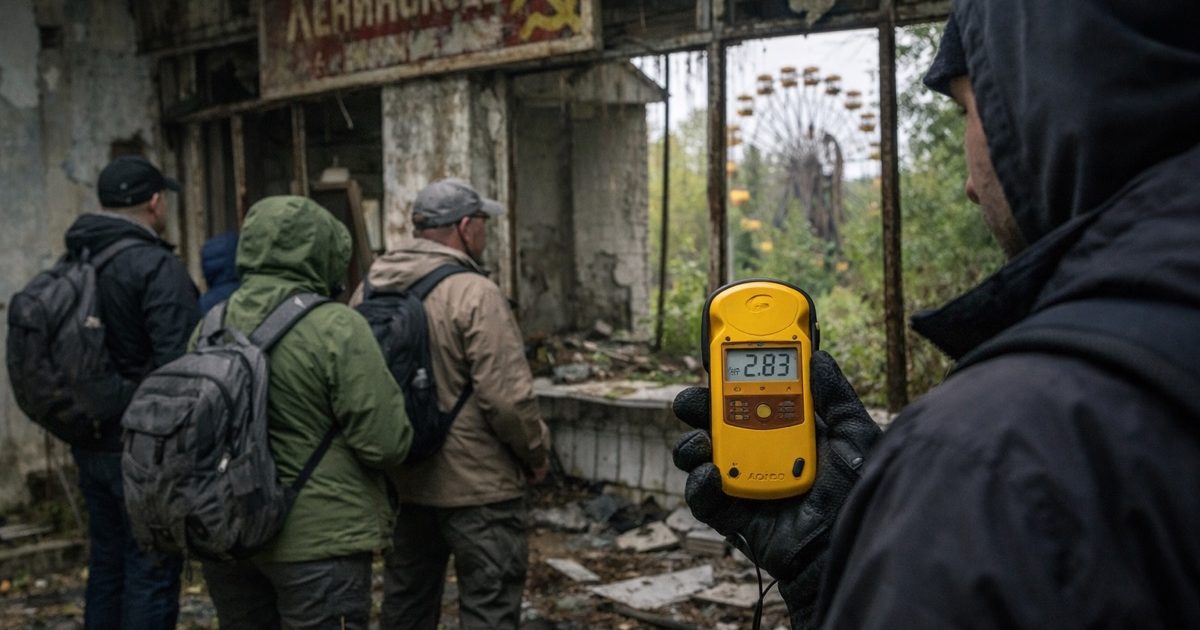
Radiation levels in the Exclusion Zone are not uniform. Some places have background levels close to normal travel environments, while others remain significantly contaminated. The key point is that risk depends on location, time spent there, and behavior. A short guided visit on approved routes is designed to keep exposure low, but visitors should still follow all instructions and avoid unnecessary risk.
Do not pick up objects, sit on the ground, eat in restricted areas, or enter buildings with unknown contamination or structural damage. Stay with your group, do not wander off for photos, and never remove plants, soil, metal, or souvenirs. If your guide uses a dosimeter, pay attention to the readings and ask what they mean. The operator should know which areas are considered acceptable for short visits and which are avoided because of hotspots or instability.
Basic hygiene matters. Wash your hands after the tour, change clothes if you have been in dusty areas, and clean shoes before entering your hotel or home. If you are pregnant, immunocompromised, or have specific health concerns, consult a doctor before going. The actual exposure from a properly managed day tour is typically low, but responsible planning is still essential. Travel insurance should be checked carefully, because not all policies cover restricted or high-risk destinations.
Photography Rules and Practical Etiquette
Photography is one of the main reasons people visit the zone, but it comes with rules. In general, you may photograph many outdoor sites on approved tours, yet some locations, checkpoints, infrastructure, and personnel may be restricted. Always ask your guide before taking photos of guards, security posts, documents, or sensitive equipment. If you are unsure, do not shoot first and ask later.
Drones are often restricted or require special permission, and in the current security environment they may be prohibited altogether. Flash photography inside fragile buildings is usually a bad idea because it can distract the group and may be unsafe in dark or unstable interiors. Tripods can be useful, but they slow the group down, so check with the operator in advance. Keep your gear compact, secure, and easy to carry, especially if you will be moving through uneven ground or multiple checkpoints.
Respect also matters. Many sites in the zone are tied to tragedy, displacement, and loss. Avoid staged or disrespectful poses, especially near memorials, abandoned homes, or personal items left behind. A good rule is simple: photograph the place, not the suffering. If you want strong images, focus on light, textures, decay, and the contrast between nature and abandoned infrastructure rather than trying to create shock value.
Booking Tips and Current Tour Status
Book only after confirming the latest operational status, because tours can pause, reroute, or close temporarily due to security conditions. Ask the operator whether the exact date, route, and meeting point are confirmed, and whether the tour includes transportation from Kyiv or another city. In 2026, it is wise to avoid booking far in advance unless the cancellation terms are flexible and clearly written.
Before payment, verify what is included: guide service, permits, transport, meals, protective gear if needed, and any checkpoint fees. Confirm what language the tour is conducted in and whether the group size is fixed. If you are traveling from outside Ukraine, make sure your broader trip plan includes buffer days, because local conditions can affect rail, road, and regional access. Keep digital and printed copies of your passport and booking confirmation.
The current status of tours is best described as conditional and changeable. Some operators may run limited itineraries when access allows, while others may suspend departures entirely depending on security updates. That is why the most practical approach is to treat the visit as a privilege that depends on official approval and current conditions, not as a guaranteed attraction. If you prepare properly, follow the rules, and choose a reputable operator, the visit can be both safe and meaningful.
Continue reading
All articles
Poltava Travel Guide: History and Halushky
Best Day Trips from Kyiv: Exploring Beyond the Capital

Uzhhorod and Mukachevo: Gateway to Transcarpathia
Ivano-Frankivsk and the Prykarpattia Region: City Life, Carpathian Gateway, and Hutsul Culture
Vinnytsia Travel Guide: The City of Fountains