Religious Sites in Ukraine: Churches, Cathedrals, and Monasteries Worth Visiting
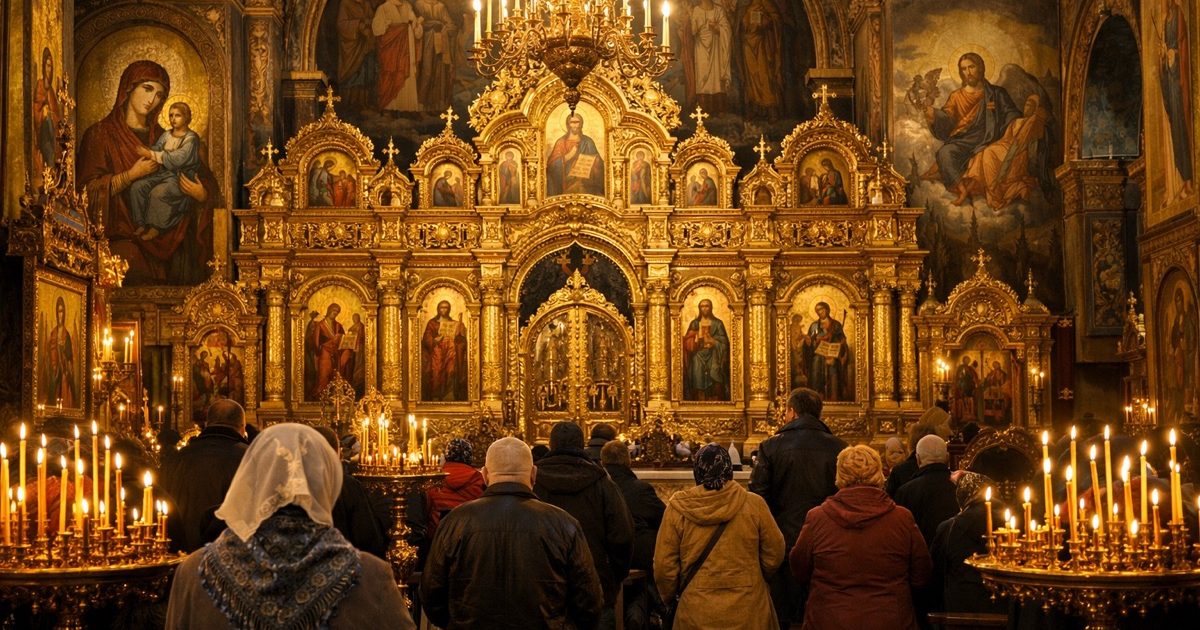
Why Ukraine’s religious heritage is worth exploring
Ukraine’s churches, cathedrals, and monasteries are more than beautiful landmarks. They reflect centuries of faith, politics, art, and resilience, and they are among the best places to understand the country’s history. From medieval cave monasteries to baroque cathedrals and wooden churches in the Carpathians, these sites show how different traditions shaped Ukrainian identity across regions and eras.
For travelers, religious sites are also practical anchor points for city sightseeing. Many are located in historic centers, close to museums and viewpoints, and several are recognized by UNESCO for their outstanding cultural value. If you are planning a route through Kyiv, Lviv, Chernihiv, or western Ukraine, include a few of these places in your itinerary and allow extra time for quiet exploration, not just quick photos.. Rules of Entry to Ukraine
Before visiting, check opening hours, dress codes, and whether photography is allowed inside. Some active monasteries and churches may restrict access during services or require modest clothing. If you are combining multiple stops in one day, it helps to plan transportation in advance, especially in larger cities where traffic and parking can be difficult.
Kyiv Pechersk Lavra: Ukraine’s most famous monastery complex
Kyiv Pechersk Lavra is one of the most important religious and historical sites in Ukraine and a UNESCO World Heritage Site. Founded in 1051, it became a major center of Orthodox monastic life, manuscript production, and icon painting. The complex is famous for its golden-domed churches, underground caves, and museum collections, and it remains one of the most visited landmarks in Kyiv.
The Lavra is not a single building but a large complex with several churches, bell towers, and monastic spaces. The Near and Far Caves are especially important: they contain relics of saints and provide insight into the spiritual traditions of medieval Rus’. Visitors should expect a mix of active worship areas and museum sections, so respectful behavior is essential. Dress modestly, keep your voice low, and follow posted rules about candles, photography, and movement through the caves.
Because the site is extensive, it is best to allocate at least half a day. Comfortable shoes are useful, as you will walk on uneven paths and stairs. If you are visiting in peak season, arrive early to avoid crowds. For travelers who want to combine history with practical planning, this website can be helpful when organizing trip protection for a longer city stay or multi-stop itinerary.
St. Sophia Cathedral and the UNESCO ensemble of central Kyiv
St. Sophia Cathedral is another UNESCO-listed treasure and one of the oldest surviving churches in Kyiv. Built in the 11th century, it is known for its remarkable mosaics and frescoes, which are among the finest examples of medieval Eastern Christian art in Europe. Unlike many later churches, St. Sophia preserves a strong sense of the early Kyivan state and its cultural connections with Byzantium.
The cathedral is part of a larger historical ensemble that includes the bell tower, monastery buildings, and surrounding grounds. Visitors come not only for the architecture but also for the atmosphere: the site feels calm and contemplative even in the center of a busy capital. It is a good choice for travelers interested in art history, theology, or the development of Ukrainian statehood.
When visiting St. Sophia, pay attention to the distinction between the museum area and any liturgical spaces that may be in use. Entry rules can change depending on restoration work, religious events, or security conditions. It is wise to check official information on the day of your visit, especially in 2026, when access policies at heritage sites may be updated more often than before.
Other UNESCO religious sites to add to your route
Ukraine has several other UNESCO-recognized religious monuments that are worth adding to a broader itinerary. In Lviv, the historic center includes churches and monasteries that reflect a blend of Ukrainian, Polish, Armenian, and Latin traditions. The Armenian Cathedral, the Dominican Church, and the Bernardine complex are especially important for understanding how faith communities shaped the city’s urban identity.
In western Ukraine, the wooden churches of the Carpathian region are among the most distinctive religious structures in the country. These timber churches, built by local communities over centuries, are valued for their craftsmanship, proportions, and integration with the landscape. Many are still active, so visitors should be prepared for limited opening hours and local customs. Some are located in small villages, which makes car travel the most practical option.
Another major UNESCO site is the Residence of Bukovinian and Dalmatian Metropolitans in Chernivtsi, now part of the university complex. Although not a church in the narrow sense, it is a religious and architectural landmark that shows the scale and influence of the Orthodox hierarchy in the region. For travelers building a multi-city route, these sites create a strong cultural thread across Ukraine’s west and center.
How to visit respectfully and safely
Religious sites in Ukraine are often active places of worship, not just tourist attractions. The simplest rule is to observe how local visitors behave and follow their lead. Remove hats when required, dress modestly, avoid loud conversations, and do not enter cordoned-off areas. If you plan to attend a service, be respectful of worshippers and avoid taking photos during prayers unless explicitly permitted.
Practical preparation matters too. Many churches and monasteries have uneven surfaces, steep stairs, or underground areas with low lighting, so wear stable footwear. Carry small cash for entry tickets, donations, or candle purchases, as card payment is not always available at smaller sites. In winter, some courtyards and paths can be icy, while in summer, queues and heat can make visits tiring, especially in open-air complexes like the Lavra.
Safety and access conditions can vary by city and region. Check local transport options, official site pages, and current travel advisories before setting out. If you are visiting Ukraine from abroad, make sure your phone is charged and that you have offline maps, since signal quality can vary in older districts or inside thick-walled religious buildings.
Planning a meaningful religious heritage itinerary
A good religious heritage trip in Ukraine works best when you balance famous landmarks with smaller, less crowded sites. In Kyiv, pair Kyiv Pechersk Lavra with St. Sophia Cathedral and one or two nearby churches to get a fuller picture of the city’s spiritual history. In Lviv, combine cathedral visits with a walk through the old town, where different confessions lived side by side for centuries. In the Carpathians or Bukovyna, include wooden churches or monastic complexes to see how local traditions adapted to geography and materials.
Try to give yourself enough time for each site. A rushed checklist visit will show you the exterior, but not the details that make these places special: icons, inscriptions, fresco fragments, bells, and the layout of courtyards and cloisters. Reading a little beforehand also helps, because many sites have layered histories that are easier to appreciate when you know who built them and why.
Whether you are traveling for faith, architecture, or history, Ukraine’s religious sites offer one of the richest cultural experiences in the country. They are powerful reminders that Ukraine’s heritage is both deeply local and connected to wider European and Byzantine traditions. With thoughtful planning, respectful behavior, and attention to practical details, these places can become the most memorable stops on your journey.
Continue reading
All articles
Navigating the Language Barrier in Ukraine: Translation Apps and Tips
Top Museums in Ukraine: History, Art, and War Memorials
Ukrainian Festivals and Events to Attend in 2026

Ukrainian Craft Beer Scene: Breweries and Bars Worth Visiting

Ukrainian Coffee Culture: A Guide to Cafes and Coffee Traditions