Ukrainian Customs and Etiquette: A Cultural Guide for Visitors
Greetings and First Impressions
In Ukraine, first impressions matter, and a polite, respectful greeting sets the tone for any interaction. A firm handshake is common in formal and business settings, usually accompanied by direct eye contact and a brief verbal greeting. Among friends and family, greetings may be warmer, including hugs or cheek kisses, but it is best to wait for the other person to initiate that level of familiarity. When addressing someone for the first time, use titles and surnames if you know them, especially with older people, teachers, officials, and service providers.
Ukrainians often appreciate sincerity and clarity over excessive small talk. A smile is welcome, but overly casual behavior with strangers can be read as insincere or inattentive. If you are entering a shop, office, or someone’s home, a simple greeting in Ukrainian such as “Dobryi den” (good day) or “Dobry vechir” (good evening) is a respectful gesture. Learning a few basic phrases goes a long way and shows that you value local customs.. Travel insurance for Ukraine
Personal space is generally respected, especially in formal situations. Avoid touching people casually when speaking unless you know them well, and do not assume informality too quickly. In professional environments, it is also wise to wait to be invited to use first names. This small bit of patience can help you avoid appearing pushy or dismissive.
Gift-Giving and Visiting a Ukrainian Home
If you are invited to a Ukrainian home, bringing a small gift is thoughtful and customary. Flowers are a common choice, but there is an important detail: avoid giving an even number of flowers, as even numbers are traditionally associated with funerals. An odd number is appropriate for social visits. Other suitable gifts include chocolates, pastries, tea, wine, or something representative of your home country. Keep the gift modest rather than expensive, since overly lavish presents can make hosts uncomfortable.
When entering a home, remove your shoes unless your host specifically tells you otherwise. Many Ukrainian households expect guests to do this, especially in winter or wet weather. Hosts may offer slippers, and accepting them is normal. If you are invited for a meal, it is polite to compliment the food and thank the host at the end of the visit. Ukrainians often take hospitality seriously, and refusing food too quickly may be seen as ungracious, even if you only want a small portion.
If you bring alcohol, do so only if you are reasonably sure it will be welcome. Some households enjoy sharing wine or cognac, while others may not drink at all. It is better to choose a neutral gift if you are unsure. In 2026, many visitors also prefer practical, easy-to-carry gifts that fit travel restrictions and do not require refrigeration or special handling.
Dining Etiquette: Meals, Toasts, and Table Manners
Dining in Ukraine is often social and generous, with hosts offering more food than you may expect. It is polite to accept at least a small serving of what is offered, especially on a first visit. If you truly cannot eat more, decline gently and briefly rather than over-explaining. Finishing everything on your plate is not always required, but leaving a reasonable amount of food may be interpreted as a sign that you were fully satisfied; however, this depends on the setting and the host’s style.
Table manners are generally straightforward. Keep your elbows off the table while eating, wait for the host to invite everyone to start, and use utensils rather than eating with your hands unless the food clearly calls for it. In more formal settings, do not begin eating before the host or the eldest person at the table. Toasts are common at celebrations and family gatherings. If someone proposes a toast, it is polite to raise your glass, make eye contact, and take at least a sip. You do not need to drink alcohol if you prefer not to; a non-alcoholic beverage is acceptable, but it helps to explain your choice briefly and confidently.
Punctuality matters, but social flexibility is common. Arriving exactly on time for a private dinner may be fine, while showing up very early can be inconvenient for the host. If you are invited to a restaurant, it is usually acceptable to split the bill only if the group agrees in advance. Tipping is appreciated in restaurants and cafes when service is good, and rounding up or leaving around 10 percent is a common practice in many cities.
Dress Codes in Cities, Churches, and the Countryside
Dress in Ukraine tends to be neat and practical, with a preference for looking well put together in public. In major cities such as Kyiv, Lviv, and Odesa, people often dress smart-casual for everyday outings, and more polished clothing is typical for work, dinners, theaters, and special events. Visitors do not need to dress formally at all times, but overly casual clothing in nicer restaurants, offices, or cultural venues may stand out.
When visiting churches and monasteries, modest dress is important. Shoulders and knees should be covered, and very revealing clothing is inappropriate. Women may be expected to cover their heads in some Orthodox churches, especially during services, though this is not universally enforced for visitors. Men should remove hats before entering religious spaces. If you plan to visit several sacred sites in one day, carrying a light scarf or shawl can be useful for quick coverage when needed.
In rural areas, clothing tends to be more practical than fashionable, but modesty and cleanliness still matter. If you are attending a wedding, holiday gathering, or formal event, it is better to dress slightly more elegantly than you think necessary. Ukrainians often notice effort, and being neatly dressed is usually understood as a sign of respect for the occasion and the people hosting you.
Religious Customs and Respectful Behavior
Religion remains important for many Ukrainians, especially in family traditions, holidays, and rites of passage. Even if you are not religious, it is respectful to behave quietly and observe local customs in churches, cemeteries, and during religious holidays. In Orthodox and Greek Catholic settings, people may cross themselves, light candles, kiss icons, or stand during parts of the service. You are not expected to copy every ritual, but you should not mock or interrupt them.
If you attend a service, keep your voice low, silence your phone, and avoid walking around unnecessarily. Photography may be restricted in some churches, especially during services or in areas with sacred objects, so look for signs or ask before taking pictures. During major holidays such as Easter and Christmas, families may visit church, share blessed food, and spend time together. Visitors should be especially considerate during these periods, as they are meaningful both spiritually and socially.
Cemeteries and memorial sites also deserve respectful behavior. Speak quietly, avoid eating or drinking unless it is clearly part of a commemorative tradition, and follow the lead of locals if you are present for a memorial event. In 2026, Ukraine remains a country where religious and national identity can be deeply personal, so a careful, respectful approach is always best.
Common Faux Pas to Avoid
One of the most common mistakes visitors make is assuming that Ukrainians are cold because they are reserved at first. In reality, many people are simply formal until they get to know you. Avoid forcing friendliness, interrupting, or speaking too casually in situations that call for respect. Another frequent faux pas is trying to compare Ukraine unfavorably with other countries, especially in a joking or dismissive way. Even casual comments about politics, language, or history can be sensitive, so it is wiser to listen first and ask thoughtful questions later.
Do not whistle indoors if you can avoid it, as this is widely considered bad luck or impolite in some contexts. Avoid sitting at the corner of a table if you are superstitious or if your host mentions it, since older beliefs associate that seat with not marrying soon. While not everyone follows these traditions, being aware of them shows cultural sensitivity. It is also best not to use the left hand in ways that may seem careless when offering a gift or greeting in formal settings, and do not assume that humor about war, corruption, or identity will be well received.
If you are unsure how to behave, watch what locals do and follow their lead. A respectful tone, modest dress, punctuality, and a willingness to adapt will help you fit in quickly. For travelers who want extra peace of mind while abroad, This guide can also help you prepare for unexpected situations so you can focus on experiencing the country with confidence.
Continue reading
All articles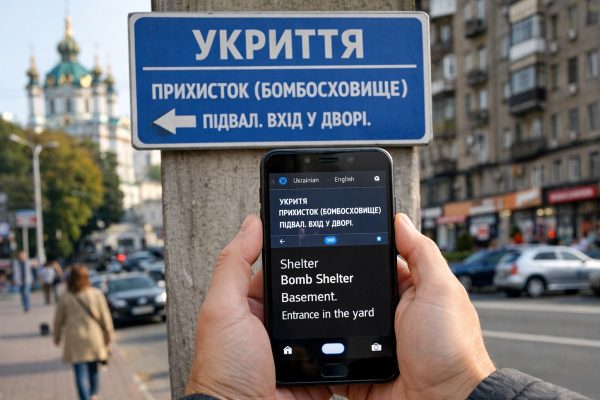
Navigating the Language Barrier in Ukraine: Translation Apps and Tips
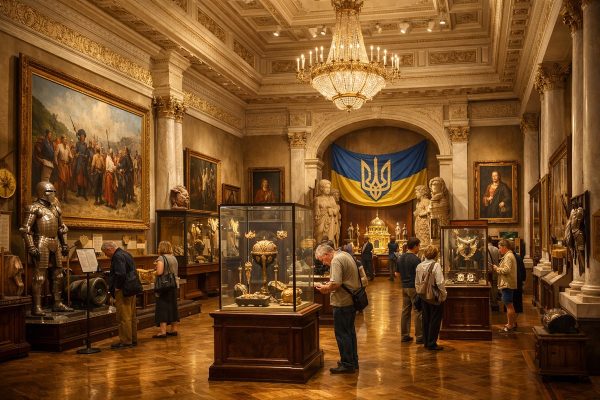
Top Museums in Ukraine: History, Art, and War Memorials
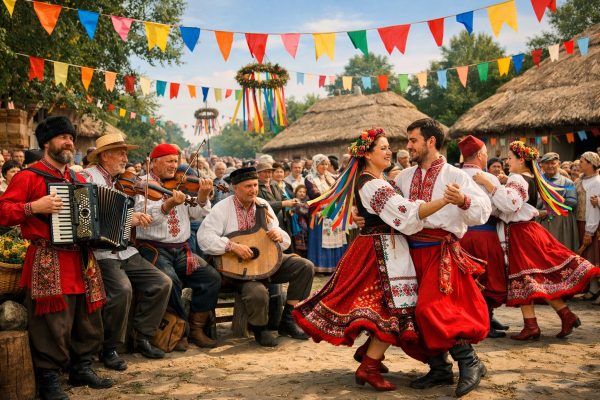
Ukrainian Festivals and Events to Attend in 2026
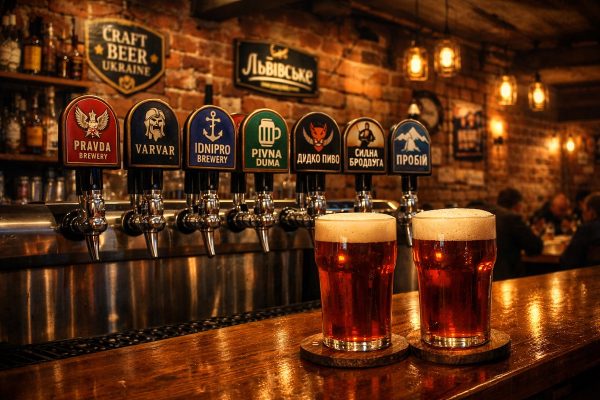
Ukrainian Craft Beer Scene: Breweries and Bars Worth Visiting
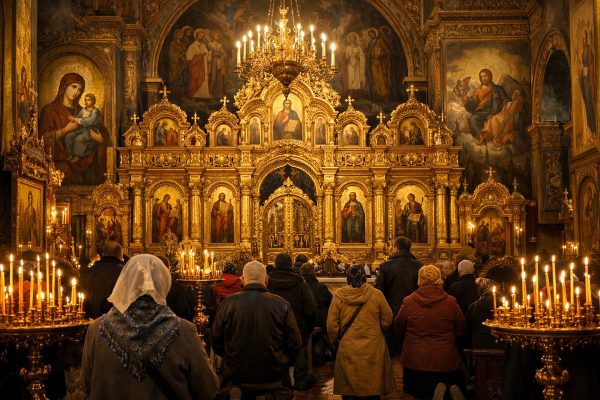
Religious Sites in Ukraine: Churches, Cathedrals, and Monasteries Worth Visiting