Budget Travel in Ukraine: How to Explore on $30-50 Per Day
Can You Really Travel in Ukraine on $30-50 a Day?
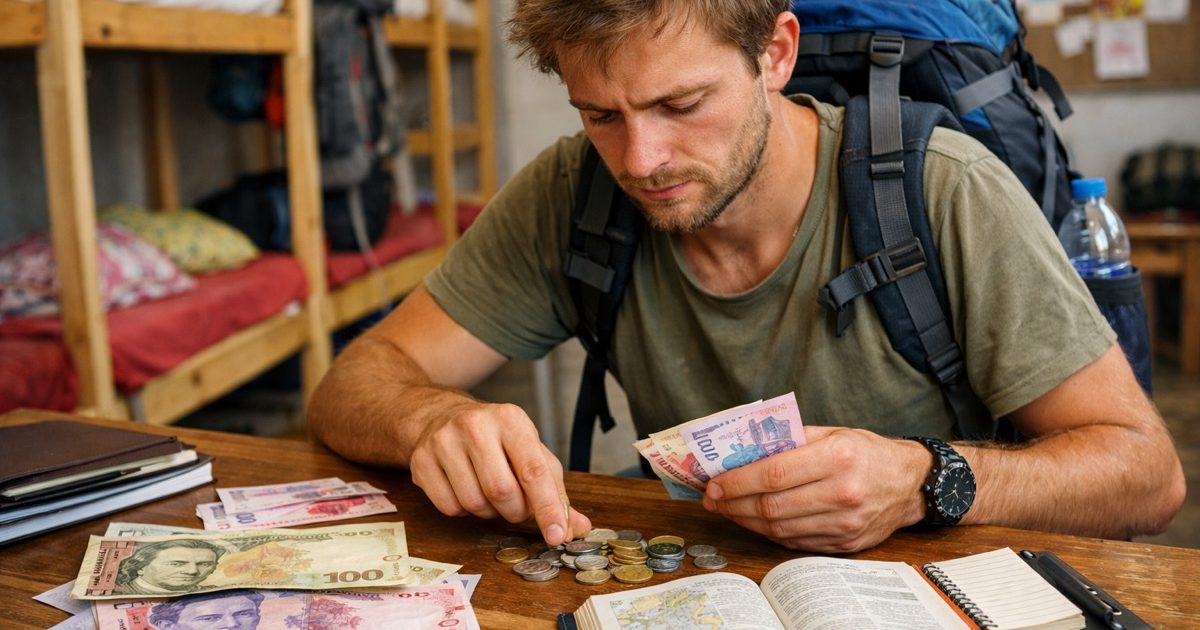
Yes — in 2026, a budget of $30-50 per day is realistic for many travelers in Ukraine if you plan carefully and avoid premium services. The key is to choose cities with good public transport, stay in budget accommodation, eat where locals eat, and focus on free or low-cost sights. Smaller cities and regional centers are usually much cheaper than Kyiv or Lviv, though both can still fit the budget with discipline.
Your daily total will depend heavily on the season, exchange rates, and your travel style. Summer weekends, holidays, and major events can push prices up, especially for apartments and intercity transport. If you want to stay within budget, book transport and accommodation in advance, travel midweek when possible, and keep a small reserve for unexpected costs like luggage fees, late-night taxis, or cash-only purchases.. Ukraine travel insurance
A practical split for a $30-50 day is: accommodation $10-20, food $8-15, local transport $2-5, and activities $0-10. That leaves some flexibility for coffee, museum tickets, or a dessert without breaking your budget. If you are staying longer in one place, weekly discounts on apartments or hostels can reduce your average daily spend even further.
Where to Stay Cheaply Without Sacrificing Comfort
The cheapest reliable options are hostels, budget guesthouses, and short-term apartments booked outside the city center. In larger cities, dorm beds often start around $8-15 per night, while private rooms in budget guesthouses or simple apartments can range from $18-30 depending on location and season. If you travel with a friend, splitting an apartment often gives better value than two hostel beds.
Location matters more than luxury. Staying near a metro, tram, or major bus route can save money on taxis and make sightseeing easier. In Kyiv, Lviv, Odesa, and Dnipro, neighborhoods just outside the historic center are often much cheaper while still being convenient. In smaller cities, look for accommodation near the main bus or rail station only if the area feels safe and well connected; otherwise, a central but modest place may be better value.
Check whether the price includes heating, air conditioning, Wi‑Fi, linen, and kitchen access. A kitchen can save a lot because you can prepare breakfast and simple dinners instead of eating out every meal. If you are booking an apartment, confirm the total price in advance, including cleaning fees and any check-in charges. For travelers who want extra peace of mind while abroad, This site is a useful part of your overall trip planning, especially if you are comparing costs and risk levels across different travel styles.
Eating Well on a Tight Budget
Food is one of the easiest areas to save money in Ukraine. A simple breakfast from a supermarket or bakery may cost $1-3, while a filling lunch in a casual cafeteria or canteen-style restaurant can be $4-7. Dinner at an inexpensive local place is often $5-10, especially if you choose soups, dumplings, porridge, varenyky, borshch, or chicken-and-potato dishes instead of imported food or tourist-heavy restaurants.
Supermarkets, bakeries, and local markets are your best friends on a budget. Chains like Silpo, ATB, Fora, or Varus usually offer affordable basics, ready-made salads, bread, yogurt, fruit, and snacks. If your accommodation has a kitchen, buy staples such as oats, eggs, buckwheat, pasta, cheese, and seasonal vegetables. This can cut food spending to around $8-12 per day without feeling restrictive.
Use cafés strategically rather than for every meal. Many places offer business lunches or lunch sets on weekdays, which are often much cheaper than ordering à la carte. Tap water is not always the best choice for drinking, so buy bottled water if needed and budget for it. Also remember that card payments are common in cities, but carrying some cash is still wise for markets, small bakeries, and rural areas.
Getting Around Cheaply: Trains, Buses, and City Transit
Ukraine’s transport system is budget-friendly if you choose the right options. In cities, public transport is extremely cheap: metro, buses, trams, and trolleybuses usually cost far less than taxis. A few rides per day typically keep local transport spending around $1-3, and many attractions in central areas are walkable anyway. If you are staying in a city for several days, walking and using public transit is usually the best combination for both cost and convenience.
For intercity travel, trains are often the smartest choice. Fast and overnight trains can save you a hotel night and reduce stress, while standard buses are usually the cheapest option for shorter routes. Book tickets early for popular routes, especially on weekends and before holidays. If you are flexible with departure times, you can often find better prices and more seat choices. Marshrutkas and regional buses can be inexpensive, but comfort varies, so compare them with regular buses and trains before buying.
Taxis and ride-hailing apps are useful late at night or when public transport is limited, but they can quickly eat into your budget. Use them selectively, not as your default. If you are traveling between neighborhoods, check whether a tram, metro, or bus can get you there almost as fast. On a $30-50 daily budget, smart transport choices can be the difference between staying on track and overspending.
What to Do for Free or Almost Free
You do not need expensive tours to enjoy Ukraine. Many of the best experiences are low-cost or free: walking through historic centers, visiting parks, exploring river embankments, admiring architecture, browsing markets, and watching everyday life in local squares. Cities like Lviv, Kyiv, Odesa, Chernivtsi, and Kamianets-Podilskyi offer plenty of atmosphere simply by walking around with a good map and comfortable shoes.
Museums and galleries are usually affordable, and some offer discounted entry on certain days or for students. Churches, cathedrals, fortresses, and open-air sites may charge modest entrance fees, but they are still often inexpensive compared with attractions in Western Europe. If you like viewpoints, public beaches, botanical gardens, and memorials, you can fill an entire day without spending much at all.
Look for free events such as city festivals, outdoor concerts, public lectures, and exhibitions. Local tourism pages, city social media accounts, and community boards often list current events. Another good budget strategy is to group attractions by neighborhood so you spend less on transport. A self-guided walking route through one district is usually cheaper and more rewarding than crossing the city multiple times for separate sights.
Sample Daily Budget and Smart Money Habits
A realistic daily budget in a mid-range Ukrainian city could look like this: hostel bed or budget room $12-20, food $10-14, local transport $2-4, and one paid activity or coffee stop $3-8. That puts you around $27-46 per day, which fits the target range. In cheaper cities or if you cook some meals yourself, you may spend even less. In Kyiv, Lviv, or peak season, the same lifestyle can land closer to the top of the range, so keep a buffer.
To stay on budget, track your spending daily for the first few days. Small purchases add up quickly: extra coffees, convenience-store snacks, spontaneous taxis, and souvenir spending can quietly push you over your limit. Set a cash envelope or use a budgeting app, and decide in advance how much you can spend on treats. If your accommodation has laundry, kitchen, and good transit access, the savings can be significant over a week or two.
Finally, build flexibility into your plan. Budget travel works best when you prioritize value, not just the lowest price. Sometimes paying a little more for a central location, a direct train, or a better-reviewed apartment saves time, stress, and hidden costs later. With thoughtful choices, Ukraine remains one of the most affordable and interesting destinations in Europe for travelers who want to see a lot without spending a lot.
Continue reading
All articles
Tipping in Ukraine: How Much, When, and Where

Banking in Ukraine for Foreigners: Opening Accounts and Money Transfers
Ukrainian Hryvnia: A Complete Currency Guide for Travelers
Spring Travel in Ukraine: Cherry Blossoms and Cultural Awakening
Autumn in Ukraine: Golden Landscapes and Harvest Season