Emergency Contacts in Ukraine: Numbers Every Traveler Should Know
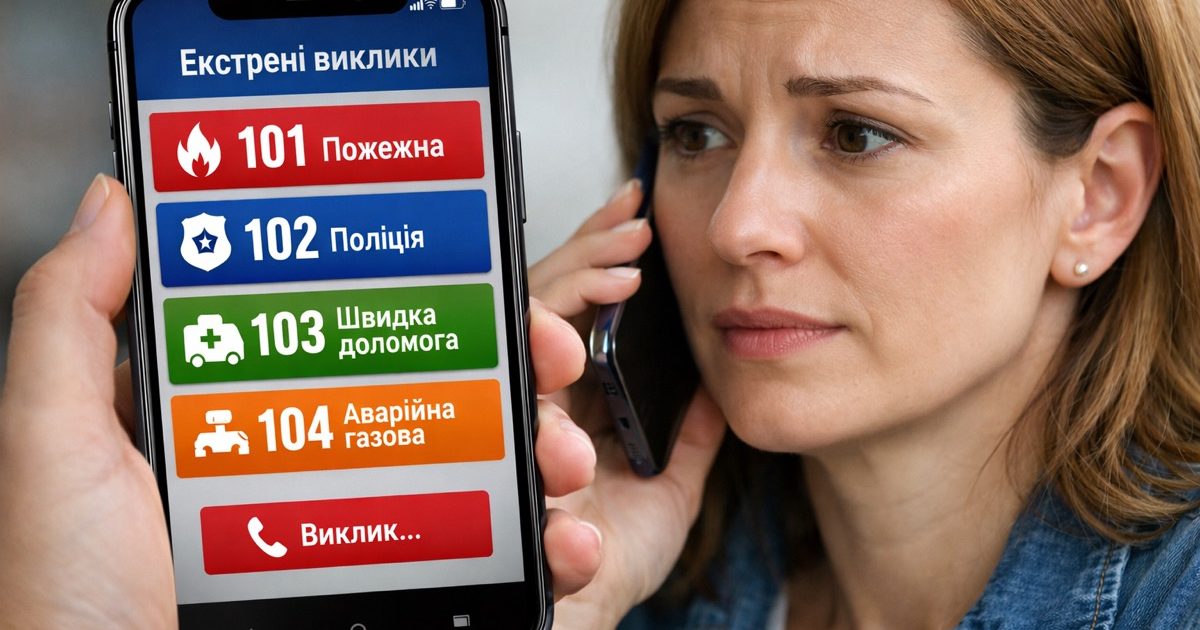
Ukraine’s Main Emergency Numbers
If you are traveling in Ukraine, the most important numbers to remember are 112 for general emergencies, 101 for fire or rescue, 102 for police, and 103 for an ambulance. These numbers are free to call from most mobile networks and are the fastest way to reach the right service when every minute matters. In practice, 112 is the best first call if you are unsure which service you need, because the operator can route your request to the correct responders.
For travelers, it is worth saving all four numbers in your phone before you arrive. Write them on paper as well in case your battery dies or your phone is lost. If you are crossing regions or traveling with children, elderly relatives, or a group, make sure more than one person knows these contacts. In an emergency, clear and quick communication is often more important than knowing every local detail.. Travel insurance for Ukraine
How the Emergency System Works in Practice
Ukraine’s emergency system is designed so that callers can reach help even if they are not sure which agency should respond. The 112 line is the central contact point for urgent situations, especially when the issue involves more than one service, such as a traffic accident with injuries or a fire blocking a road. Operators can transfer or coordinate with police, medics, or firefighters depending on the situation.
When you call, stay calm and answer the operator’s questions in the order they ask. Expect to provide your location, what happened, whether anyone is injured, and what immediate dangers exist. If you do not speak Ukrainian, try to use simple English, and give landmarks, street names, building numbers, or nearby businesses. If possible, send your live location from your phone to a trusted contact or emergency responder through messaging apps. In cities, responders often arrive faster when you can name a district, metro station, or major intersection.
A useful habit is to keep a screenshot of your hotel address, apartment entrance details, and any access codes in your phone gallery. In many cases, the biggest delay is not the emergency service itself but helping responders find the exact building entrance, especially in large residential blocks or unfamiliar neighborhoods.
When to Call Police, Ambulance, or Fire Services
Call 102 if you need police assistance for theft, assault, harassment, lost documents, a road incident involving a dispute, or any situation where your safety is threatened. If your passport, wallet, or phone is stolen, police may be needed both for immediate help and for a report that supports insurance claims or embassy paperwork. If you are involved in a car accident, police may also be required depending on the severity of the situation and whether there are injuries or major damage.
Call 103 for any medical emergency, including chest pain, severe bleeding, breathing problems, loss of consciousness, suspected stroke, serious allergic reactions, seizures, or injuries from falls, traffic accidents, or explosions. If you are unsure whether the condition is serious enough, it is better to call. Ambulance dispatch can advise you while help is on the way. For travelers with chronic conditions, keep a note of your diagnosis, medications, allergies, and blood type in both Ukrainian or English if possible.
Call 101 for fire, smoke, gas leaks, trapped people, collapsed structures, or rescue situations. Do not assume a small fire can be handled without help; smoke inhalation and gas exposure can become dangerous very quickly. If you smell gas, avoid switches, flames, and anything that could create a spark, then leave the area and call 101 or 112 from a safe location. For hotel guests, alert staff immediately so they can activate the building’s evacuation procedures.
Embassy Hotlines and Consular Help
Embassy and consular hotlines are not substitutes for emergency services, but they are essential for passport loss, detention, evacuation advice, legal referrals, and help contacting family. Every traveler should know the phone number of their own embassy or consulate in Ukraine, and ideally also the emergency after-hours line. Many embassies maintain a 24/7 crisis number for nationals in distress, especially during periods of heightened security concerns.
If you are a foreigner in Ukraine, save your embassy’s contact details before arrival and keep them accessible offline. If you are a Ukrainian traveling abroad, do the same for the nearest Ukrainian diplomatic mission. Consular staff can explain document replacement steps, help you understand local procedures, and sometimes contact relatives if you cannot do so yourself. They generally cannot pay medical bills, fines, or legal costs, but they can guide you through the correct next steps.
A practical tip is to keep your passport number, travel insurance policy number, and a copy of your visa or residence permit in a secure cloud folder. If your phone is lost or stolen, having these details available from another device can save hours. this website also recommends storing embassy contacts in your phone under both the official name and a simple label like “Embassy Emergency,” so you can find it quickly under stress.
Crisis Helplines, Practical Tips, and What to Prepare
Beyond the core emergency numbers, travelers may also need crisis helplines for psychological support, domestic violence, child protection, or legal assistance. Availability can change by region and organization, so it is best to check current contacts before departure or ask your hotel, host, embassy, or local NGO for the most up-to-date information. If you are in immediate danger, always call 112 first rather than searching for a specialized hotline.
To make any emergency call more effective, prepare a small digital and paper emergency kit. Include your full name as in your passport, date of birth, blood type if known, allergies, chronic conditions, medication list, emergency contacts, hotel address, and travel insurance details. If you are traveling with children, add parental consent documents if applicable, and keep a photo of the child’s passport page and your relationship documents. For drivers, keep vehicle registration and insurance documents accessible.
If you are using a local SIM card, check that it can make voice calls and that your phone is unlocked. In some situations, weak signal or network congestion can delay calls, so try again from a different location if the first attempt fails. Share your live location with a trusted person, and if you are in a group, agree in advance who will call emergency services and who will guide responders. Having a plan is often the difference between confusion and fast assistance.
Quick Reference: What Travelers Should Save Today
Before you leave for Ukraine, or before you move around the country, save the numbers that matter most and make sure at least one other person in your group has them too. In an emergency, you do not want to be searching the internet for a number you should have prepared in advance. The goal is simple: reach the right help as fast as possible, with the clearest information you can provide.
If you are traveling for business, family visits, tourism, or humanitarian work, build a short emergency plan that includes local addresses, embassy contacts, insurance details, and the nearest hospital or police station to your accommodation. That preparation is especially important if you are arriving at night, traveling in winter, or visiting multiple cities in one trip. A few minutes of preparation can save a great deal of time and stress later.
The best emergency strategy in Ukraine is straightforward: call 112 if you are unsure, use 101 for fire, 102 for police, and 103 for medical help. Keep your embassy hotline handy, know where to find crisis support, and make sure your documents and location details are easy to share. If something goes wrong, calm, accurate information will help responders act faster and more effectively.
Continue reading
All articles
Booking Hotels in Ukraine: Best Platforms and Tips
Using ATMs in Ukraine: Fees, Limits, and Safety Tips

War Tourism in Ukraine: Ethical Considerations and Guidelines
Internet in Ukraine: VPNs, Blocked Services, and Online Safety

Women Traveling Alone in Ukraine: Safety and Practical Guide