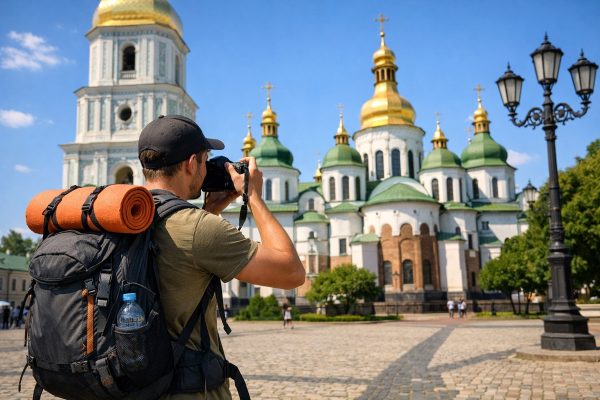
Safety Tips for Traveling to Ukraine in 2026
Current Security Situation in 2026
Ukraine remains in a state of active wartime risk in 2026, and safety conditions can change quickly by region, by day, and even by hour. The main threats to travelers are air alerts, missile and drone attacks, shelling near front-line areas, damaged infrastructure, mines and unexploded ordnance, and occasional disruptions to transport, communications, electricity, and banking services. Even in cities far from the front line, air raid sirens and emergency shelter procedures are part of daily life.
Before traveling, check the latest advisories from your government, the Ukrainian Ministry of Foreign Affairs, and local authorities. Do not rely on old blog posts or general travel forums, because conditions can shift rapidly. If you are entering Ukraine for work, family visits, humanitarian activity, or essential travel, build extra time into your plan and expect last-minute changes. This site can help travelers think through practical risk reduction, but it does not replace official security advice or local instructions.. Rules of Entry to Ukraine
A useful rule in 2026 is to treat every trip as a dynamic safety decision, not a fixed itinerary. If a region becomes unstable, be ready to reroute, delay, or leave. Keep your phone charged, your documents accessible, and your accommodation chosen with shelter access in mind.
Safe Areas vs Restricted Areas
There is no completely risk-free area in Ukraine during wartime, but some regions are generally more suitable for travel than others. Larger western and central cities are usually considered lower risk than areas closer to the front line or borders exposed to frequent attacks. That said, “lower risk” does not mean “safe” in an absolute sense. Air alerts, power outages, and transport disruptions can happen anywhere in the country.
Areas that are typically restricted or strongly discouraged for travel include active combat zones, territories near the front line, and locations with heavy military activity or high contamination risk from mines and unexploded ordnance. Travelers should also avoid unofficial checkpoints, abandoned rural roads, forests, fields, and riverbanks in recently affected regions unless they are with qualified local guides or operating under official instructions. Coastal, border, and infrastructure-heavy areas may also face elevated risk depending on the security situation.
If you must travel to a higher-risk region for essential reasons, use only verified transport, stay in known accommodation, and check local updates several times a day. Confirm that your destination has a shelter plan, reliable communication, and access to medical care. Never assume a route is open just because it was open yesterday.
Curfew Rules and Daily Movement
Curfews are common in many parts of Ukraine and can differ by oblast, city, or even district. Typical curfew hours may restrict movement overnight, but the exact schedule is set locally and can change due to security conditions. Travelers should verify the current curfew before arrival and again on the day of travel, especially if they plan late-night train connections, airport transfers, or intercity road trips.
During curfew, you may be required to stay indoors unless you have a valid reason and, in some cases, supporting documents. Police and military personnel may stop people who are outside during restricted hours. Keep your passport or ID with you, along with proof of accommodation, ticket details, or employer/hospital letters if relevant. If you are driving, remember that fuel stations, restaurants, and some services may close earlier than usual, and public transport may stop running before curfew begins.
Plan your day around the local timetable. Arrive at your hotel or apartment well before curfew, keep offline maps ready, and avoid last-minute movement at night. If an air alert starts near curfew time, follow shelter instructions first and then return to your accommodation only when it is safe and legally permitted to do so.
Emergency Contacts, Alerts, and What to Do
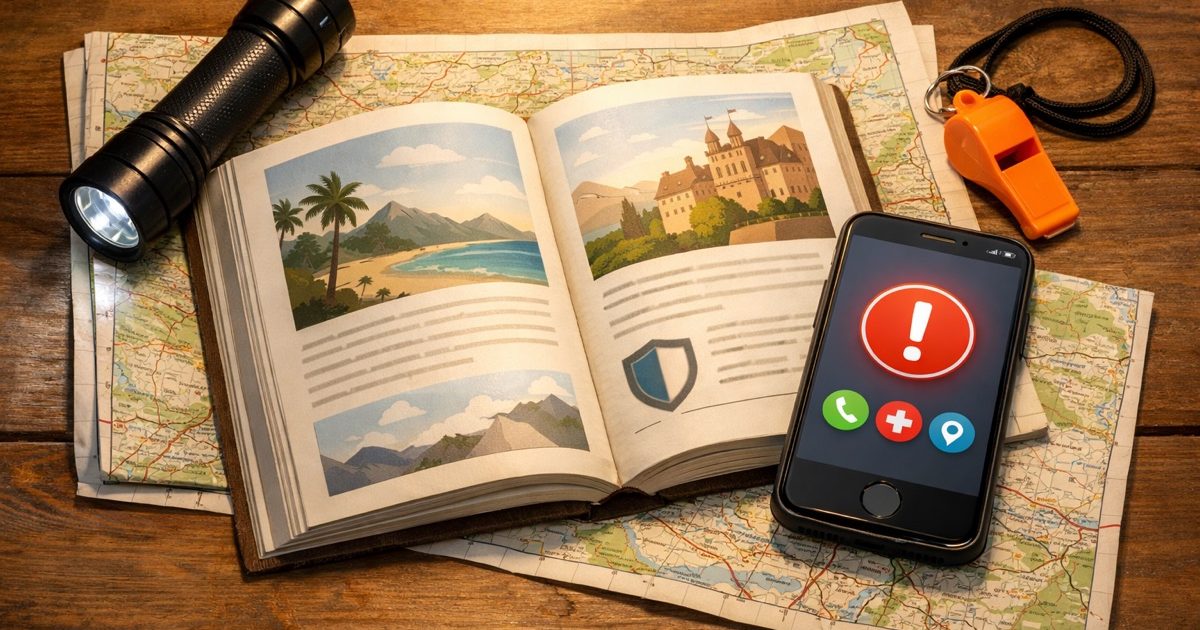
In an emergency, Ukraine’s key national emergency number is 112, which can connect you to the appropriate service. Depending on the situation, you may also need the police, ambulance, or fire service through local emergency channels. Save the contact details for your embassy or consulate before you travel, because consular support can be essential if your passport is lost, you are injured, or travel routes are disrupted.
Install official alert and map apps that show air raid warnings and shelter locations, and test them before you arrive. Make sure your phone works on local networks and that you have roaming or a local SIM with enough data. Keep a paper copy of important information as a backup: passport details, insurance policy number, emergency contacts, accommodation address, and any medical conditions or medications.
If an air alert sounds, go to the nearest designated shelter immediately, even if you think the threat is far away. Do not wait to “see what happens.” If you are outdoors, move away from glass, open areas, and unstable structures. If you are in a vehicle, stop safely and seek shelter if one is available nearby. Follow instructions from local authorities, hotel staff, and emergency services without delay.
Travel Advisories and Risk Mitigation Strategies
Before booking, read multiple official travel advisories and compare them with local Ukrainian updates. Look for guidance on border entry rules, insurance validity, high-risk regions, and evacuation expectations. Some insurers exclude war-related incidents, so confirm exactly what is covered before you pay. If your policy includes emergency medical evacuation, check whether it applies in Ukraine and under what conditions.
Reduce risk by traveling light, keeping a flexible itinerary, and avoiding unnecessary overnight road travel. Choose accommodation with a basement, underground shelter, or clearly posted safe area. Share your route and check-in schedule with someone outside Ukraine. Carry cash in small denominations, because card payments and ATMs can fail during outages. Keep power banks, a flashlight, water, snacks, and copies of documents in your day bag.
Use local transport and routes that are known to be operating reliably, and verify station or airport schedules before departure. Avoid photographing military sites, checkpoints, damaged infrastructure, or security personnel. Respect local rules and be discreet about your movements. In uncertain conditions, the safest decision is often to delay travel, shorten your stay, or choose a different region altogether.
Continue reading
All articles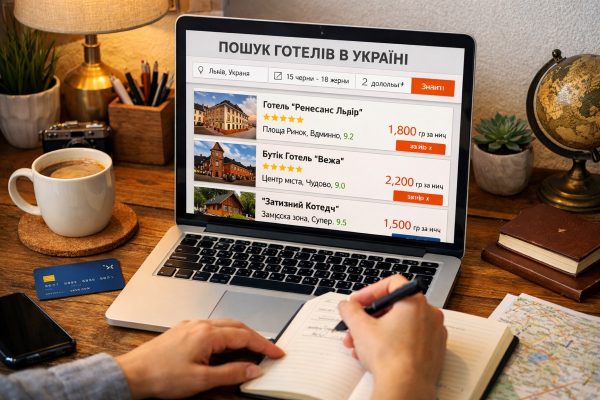
Booking Hotels in Ukraine: Best Platforms and Tips

Using ATMs in Ukraine: Fees, Limits, and Safety Tips

War Tourism in Ukraine: Ethical Considerations and Guidelines

Internet in Ukraine: VPNs, Blocked Services, and Online Safety

Women Traveling Alone in Ukraine: Safety and Practical Guide