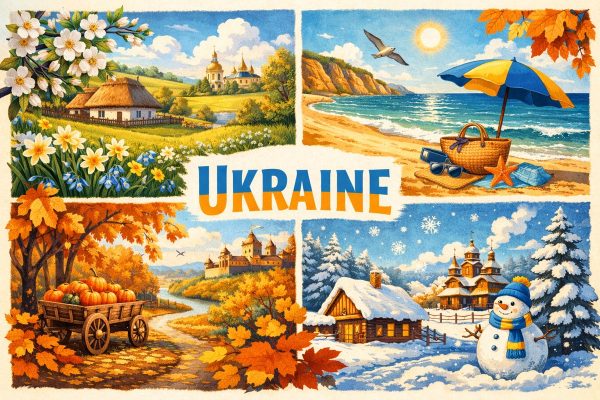
Winter Travel in Ukraine: What to Expect and How to Prepare
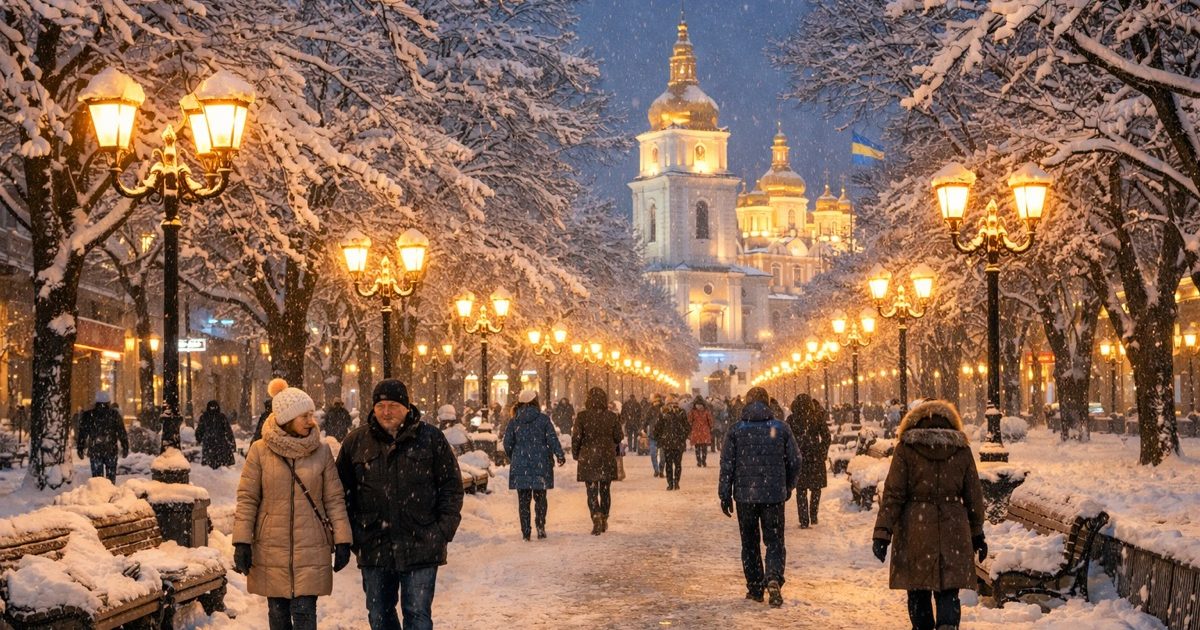
Winter in Ukraine: Weather and Daylight
Winter in Ukraine is usually cold, with the most noticeable conditions arriving from late November through February. In western and northern regions, temperatures often hover around freezing or drop below it, while central and eastern areas can feel harsher because of wind and fewer mild days. Snow is common, but it is not guaranteed every week; some winters bring long stretches of wet slush, ice, and fog instead. In 2026, travelers should also expect weather to change quickly, so checking the forecast daily is more useful than relying on seasonal averages.
Daylight is one of the biggest practical differences for winter visitors. In December and early January, the sun sets early, which can affect sightseeing, train connections, and intercity driving. If you are planning day trips, start them early and leave extra time for delays. Side streets and sidewalks can be slippery after freezing rain or snowmelt, so sturdy shoes with good traction are more important than fashionable winter boots. For anyone arriving from a milder climate, the combination of wind, humidity, and short days often feels colder than the thermometer suggests.. Travel insurance for Ukraine
Heating Reliability and Where to Stay
Heating in Ukraine can be very good in modern hotels, newer apartments, and well-managed guesthouses, but it is still smart to ask specific questions before booking. Confirm whether the property has central heating, backup electric heaters, warm water availability, and 24-hour reception or support. In older buildings, rooms may be warm enough during the day but cooler at night, especially if windows are older or the property is not recently renovated. If you are booking a private apartment, read recent winter reviews rather than relying only on photos.
For travelers in 2026, it is also wise to prepare for occasional disruptions to electricity or heating services, depending on location and local conditions. Choose accommodation with a clear backup plan: battery lights, generator support, or alternative heating options if available. When you arrive, test the room temperature, hot water, and Wi‑Fi right away so any issue can be reported immediately. This guide can also be helpful if you want extra peace of mind while arranging winter travel, especially for longer stays or trips with multiple city changes.
If you are sensitive to cold, prioritize central locations so you spend less time outdoors between transport and accommodation. In smaller towns, ask whether the property is near a main road that is cleared regularly in winter. This matters if you are arriving late at night or leaving early in the morning, when sidewalks may not yet be cleaned of snow or ice.
Getting Around: Roads, Trains, and City Transport
Winter travel in Ukraine is often easiest by train, especially for long distances between major cities. Trains are usually more predictable than driving in snowy conditions, and they reduce stress when weather affects roads. If you plan to travel by car, check tire condition, windshield washer fluid rated for freezing temperatures, and whether your vehicle has an emergency kit with a flashlight, warm blanket, charger, and basic first aid items. Road conditions can vary sharply between cities and rural areas, and black ice can be a serious hazard in the morning and evening.
City transport usually continues to operate through winter, but delays are more likely during heavy snow or icy weather. In big cities, taxis and ride-hailing services are convenient, though demand may rise in bad weather. For airport transfers, build in extra time because traffic can slow down unexpectedly. If you are crossing from one region to another, keep digital and paper copies of your documents accessible, since winter travel often means more waiting, more checkpoints, and more opportunities to misplace items in bulky clothing.
For short walks, use a simple rule: if the sidewalk looks wet and the temperature is near freezing, assume hidden ice. Walk slower than usual, especially on stairs, polished stone surfaces, and sloped streets. Many travelers injure themselves not in deep snow but on thin ice or compacted slush near tram stops, building entrances, and parking lots.
Winter Activities and Seasonal Places to Visit
Winter can be one of the most rewarding times to visit Ukraine if you enjoy atmospheric cities, mountain scenery, and seasonal food. Lviv, Kyiv, and Odesa each have a different winter character: Lviv feels especially cozy with cafés and old-town streets, Kyiv offers museums, winter lights, and large public spaces, while Odesa is quieter but still appealing for those who enjoy the sea in the off-season. In the Carpathians, winter sports become the main attraction, with skiing, snowboarding, sledding, and spa-style relaxation drawing both domestic and international travelers.
If you are heading to the mountains, book early and confirm snow conditions before you go. Resorts can be busy around New Year and Orthodox Christmas, and weather can affect lift operations or access roads. For a more relaxed trip, consider thermal baths, local wellness hotels, or scenic villages where winter traditions are still visible in everyday life. Museums, food tours, theaters, and historic walking routes are also good winter options because they do not depend heavily on long daylight hours.
When planning activities, remember that some attractions reduce hours in winter or close on certain weekdays. Check opening times the day before, not only at the time of booking. If you want outdoor photography, the best light often comes shortly after sunrise or before sunset, but you will need to move efficiently because temperatures drop quickly once the sun goes down.
Holiday Traditions and What to Expect in December and January
Winter in Ukraine is closely tied to holiday traditions, and this is one of the most memorable parts of visiting during the season. December brings Christmas markets, decorated streets, and family gatherings, while January includes celebrations connected to Orthodox Christmas and New Year customs. Depending on the city and community, you may see traditional songs, festive food, and public events that create a warm atmosphere even when the weather is severe. In many places, the holiday season stretches longer than in Western Europe, so decorations and seasonal menus may remain available well into January.
Food is an important part of the experience. Winter menus often include hearty soups, dumplings, baked dishes, honey cakes, and hot drinks. Restaurants may be crowded on holiday evenings, so reservations are a good idea if you want a specific place or time. In smaller towns, some businesses may close for family celebrations, especially around major holidays, so do not assume every service will be open on the exact day you need it.
If you are invited to a local celebration, arrive on time, dress neatly, and bring a small gift if appropriate. Even a modest box of sweets or flowers is usually appreciated. Be respectful when photographing religious services, home gatherings, or traditional events, and ask before taking close-up pictures of people in costume or during private family moments.
Packing Essentials for a Comfortable Winter Trip
The best winter packing strategy for Ukraine is layering. Bring a thermal base layer, warm sweater or fleece, insulated coat, hat, gloves, scarf or neck warmer, and socks that dry quickly. Waterproof or water-resistant shoes with a non-slip sole are essential, especially if you will walk on city streets, visit markets, or take public transport. If you expect to spend time in the Carpathians or on outdoor excursions, add extra socks, hand warmers, and a compact backpack for water and snacks.
Do not forget practical electronics and documents. A power bank, universal adapter, and offline copies of tickets and hotel details can save time when you are on the move. Keep your passport, insurance details, and emergency contacts in a secure but easy-to-reach place. Winter clothing takes up more space, so use packing cubes or a compression bag if you are traveling with carry-on luggage only. It is also smart to pack lip balm, moisturizer, and any medicine you use regularly, because cold air and indoor heating can dry out skin and airways.
Finally, leave some room in your suitcase for local purchases. Winter markets, regional foods, and seasonal gifts are part of the experience, and you may want to bring home honey, tea, ceramics, or festive treats. If you prepare for cold weather, shorter days, and occasional transport delays, winter travel in Ukraine can be comfortable, scenic, and full of memorable seasonal moments.
Continue reading
All articles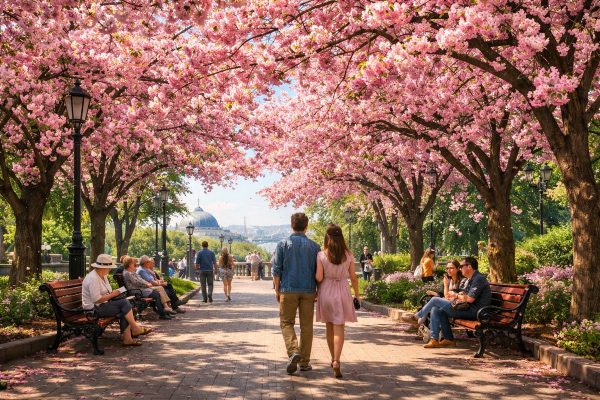
Spring Travel in Ukraine: Cherry Blossoms and Cultural Awakening
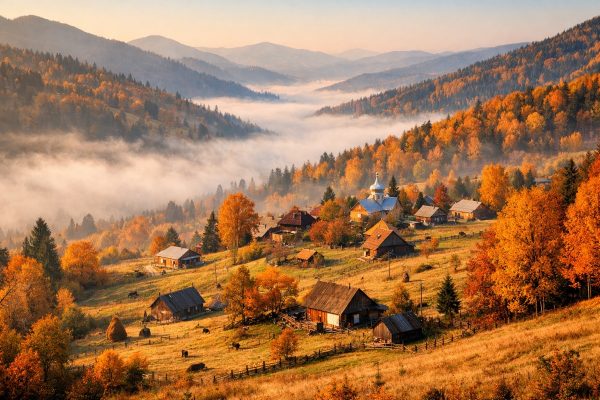
Autumn in Ukraine: Golden Landscapes and Harvest Season
Romantic Getaways in Ukraine: Best Destinations for Couples
Alcohol Laws in Ukraine: What Travelers Should Know

Foreign Embassies and Consulates in Ukraine: Complete Directory