Volunteering in Ukraine: How to Help Responsibly as a Foreigner
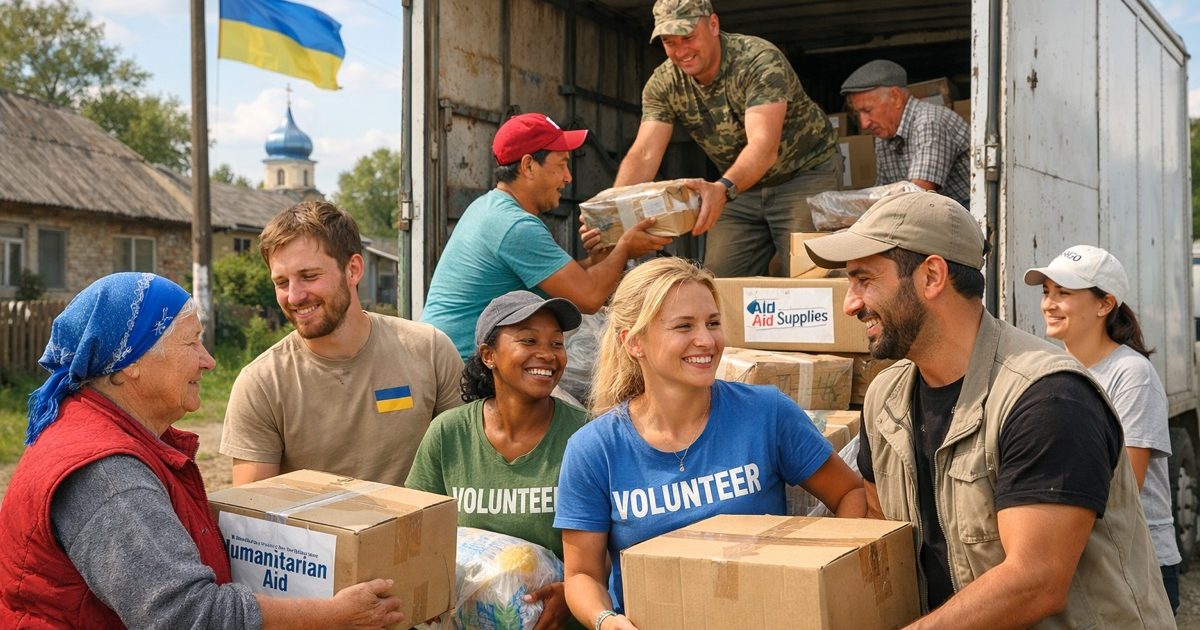
Why volunteering in Ukraine requires a careful approach
Volunteering in Ukraine can be meaningful, but it is not something to arrange casually. The country is operating under wartime conditions, so any foreigner planning to help should treat the trip as a serious mission, not a standard volunteer holiday. That means checking legal requirements, verifying the organization, understanding your role, and preparing for disruptions in transport, communications, and safety procedures.
A responsible volunteer is useful because they reduce pressure on local teams rather than creating extra work. In practice, that means you should arrive with a clear assignment, realistic expectations, and enough financial and emotional flexibility to adapt. If you are unsure whether your skills are needed, ask the organization directly what tasks they can actually use and what training or documents are required before you travel.. Ukraine entry requirements
It is also important to separate humanitarian volunteering from “good intentions.” In Ukraine, many local groups already know how to coordinate aid efficiently. The best foreign volunteers support these systems instead of improvising their own plans. We recommend that you confirm both the legal and practical side of your trip before booking anything nonrefundable.
Legitimate organizations and how to verify them
The safest way to volunteer is through established organizations with a clear public presence, transparent leadership, and documented activities. Look for groups that publish official websites, registration details, contact information, and recent reports about their work. International humanitarian organizations, registered Ukrainian charities, church-based relief networks, medical support groups, and logistics-focused NGOs are often the most reliable starting points.
Before committing, verify that the organization can explain exactly where you will work, who will supervise you, and how your accommodation, transport, and meals will be handled. Ask for references from previous volunteers, a written role description, and confirmation that your work is legal under your visa status. Be cautious if a group asks you to arrive first and “figure it out on the ground,” or if it cannot explain how donated money and supplies are used.
Also be wary of organizations that focus more on social media visibility than impact. In a high-risk environment, photos and dramatic stories are not proof of legitimacy. Check whether the group is recognized by local partners, municipal authorities, or established humanitarian networks. If possible, speak with Ukrainians who have worked with them before. A trustworthy organization will welcome questions rather than pressure you to decide quickly.
What kinds of volunteer work are actually useful
The most helpful volunteer roles are usually practical and support-oriented. Common areas include warehouse sorting, packing and distributing humanitarian aid, administrative support, translation, logistics coordination, fundraising support, shelter assistance, and community outreach. People with professional experience in medicine, trauma support, engineering, IT, education, or project management may also be useful, but only if the organization has a real need for those skills.
Some roles are not appropriate for untrained volunteers. Do not assume you can provide medical care, psychological counseling, or child protection support unless you are qualified and authorized to do so. In war-affected settings, poor decisions can create legal and safety risks. The same applies to driving deliveries into affected areas: this should only be done if the organization specifically assigns it and you understand the route, insurance, and security rules.
Short-term help can still matter, but it should be targeted. For example, a one-week volunteer may be most useful in a warehouse, at an event, or doing remote work from a safe city. Longer stays are better for roles that require training and continuity. If you have a specialized skill, state it clearly and honestly. Overstating your experience can put both you and the local team at risk.
Visa requirements, entry rules, and paperwork
Visa requirements depend on your nationality, length of stay, and the nature of your volunteer activity. Many foreign visitors can enter Ukraine visa-free for short stays, but visa-free entry does not automatically mean you are allowed to work or volunteer in any capacity. If your volunteer role is structured, long-term, or involves formal placement with a Ukrainian organization, you may need a specific visa, residence permit, or additional documentation.
Before traveling, confirm the current 2026 entry rules with the Embassy or Consulate of Ukraine in your country, because regulations can change. Ask the host organization what supporting documents they can provide, such as an invitation letter, confirmation of placement, or proof of accommodation. Keep digital and printed copies of your passport, insurance policy, emergency contacts, and organization details.
You should also check whether your passport has enough validity left for entry and return, and whether you need proof of onward travel, financial means, or medical insurance. If you plan to stay beyond a short visit, ask early about registration requirements and whether your role is considered volunteering, unpaid work, or another status under Ukrainian law. Do not rely on informal advice from social media; use official sources and written confirmation whenever possible.
Safety, insurance, and what to expect on the ground
Safety planning is essential. Ukraine remains affected by missile and drone attacks, air alerts, power outages, curfews in some areas, and sudden transport changes. Choose your location carefully and follow the security guidance of your host organization at all times. Learn where shelters are located, how to use air-raid alert apps, and what to do if communications fail. Never ignore local instructions just because a situation feels calm.
Travel insurance is another non-negotiable item, but not every policy covers volunteering in a conflict-affected country. Read the exclusions closely and make sure your policy covers medical evacuation, emergency treatment, and the specific activities you will perform. If you need broader protection and support while traveling, This guide can help you think through the risks before departure. Carry a printed policy summary and emergency numbers, not only a screenshot on your phone.
Expect your trip to be different from ordinary volunteering abroad. Accommodation may be basic, schedules can change at short notice, and electricity or internet may be unreliable. You may also encounter emotional stress, especially if your work involves displaced families, damaged infrastructure, or trauma-affected communities. Good volunteers stay flexible, respect local leadership, and avoid making promises they cannot keep. Bring practical items, dress modestly and appropriately, and be prepared to listen more than you speak.
How to help responsibly and avoid common mistakes
The most responsible foreign volunteers are those who come to support local priorities, not to lead them. Start by asking what the organization actually needs this month, not what you imagine would be useful. If you are fundraising, make sure donations are requested, trackable, and approved by the host group. If you are bringing supplies, confirm exactly what items are needed and where they should be delivered so you do not create storage problems or customs delays.
Avoid “voluntourism” behavior, such as posting sensitive photos, sharing exact locations, or using vulnerable people’s stories for personal branding. Always ask permission before taking pictures, and be especially careful around children, medical facilities, shelters, and military-related sites. Respect privacy and security rules even if they seem strict. In Ukraine, discretion is part of responsible help.
Finally, plan your exit as carefully as your arrival. Know when your assignment ends, how you will leave the country, and what to do if the situation changes. Leave contact details with the organization and your family, and set up regular check-ins. The best volunteer experience is one that is useful, lawful, and safe for both you and the people you came to support.
Continue reading
All articles
Spring Travel in Ukraine: Cherry Blossoms and Cultural Awakening
Autumn in Ukraine: Golden Landscapes and Harvest Season

Romantic Getaways in Ukraine: Best Destinations for Couples

Alcohol Laws in Ukraine: What Travelers Should Know

Foreign Embassies and Consulates in Ukraine: Complete Directory