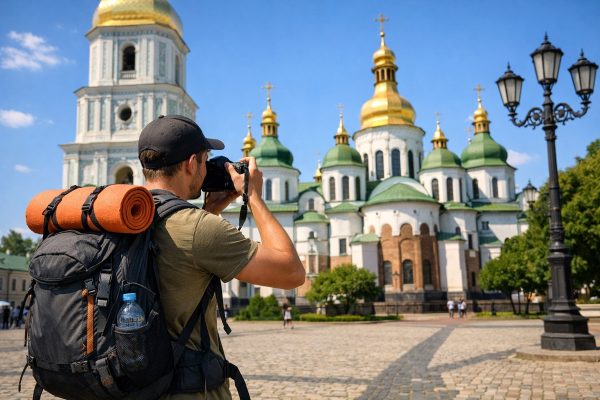
Photography in Ukraine During Martial Law: Rules and Restrictions
Why photography rules matter during martial law
Photography in Ukraine is generally allowed, but martial law changes what is safe and lawful to record. The main issue is not everyday tourism photos; it is whether images or videos could reveal military positions, critical infrastructure, air defense activity, or emergency response details that may help an attacker. In 2026, the rules are still shaped by security needs, so travelers should assume that some scenes that would be harmless in peacetime can become sensitive.
For visitors, the safest approach is to photograph people, streets, architecture, museums, parks, restaurants, and normal city life, while avoiding anything connected to the military or operations that could expose location details. If you are unsure whether a place is sensitive, do not film it from close range and do not post it immediately. When in doubt, ask local staff, security personnel, or your host before taking photos. We recommend treating any official warning, signage, or police request as mandatory, not optional.. Rules of Entry to Ukraine
What you can usually photograph
In most cities and tourist areas, you can usually photograph public spaces, historic buildings, monuments, landscapes, markets, cafes, and ordinary street scenes. Museums and galleries often allow photography in certain halls, but they may prohibit flash, tripods, or filming specific exhibits. Churches and religious sites may also have their own rules, especially during services, so always look for signs or ask permission before taking pictures inside.
It is also usually acceptable to photograph public transport, city squares, and general urban scenery, as long as you are not focusing on security infrastructure or restricted areas. If you are taking portraits, ask the person first. This is both polite and practical, because many Ukrainians are cautious about being photographed during wartime. For commercial shoots, events, or any use that looks professional, you may need prior approval from the venue or local authorities.
What you should not photograph or publish
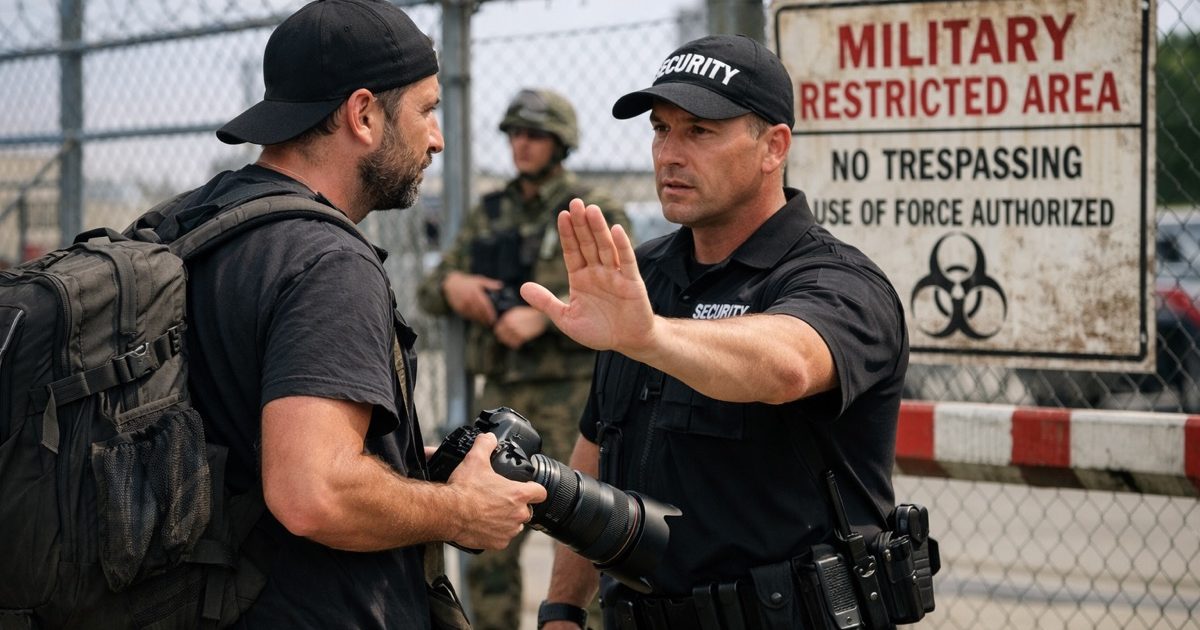
Do not photograph or share images of military personnel, checkpoints, weapons, ammunition, fortifications, air defense systems, camouflage positions, or military vehicles if they may reveal location or movement. The same caution applies to damaged equipment, troop movements, and any scene that could be used to identify where units are deployed. Even if a subject appears in the background, it is better to delete the image than risk posting it.
You should also avoid photographing critical infrastructure such as power plants, substations, bridges, rail hubs, ports, communication facilities, and waterworks if they are clearly sensitive or marked as restricted. In practice, some locations may be legal to see from a distance but not to record in detail. Never cross barriers, ignore guards, or enter closed zones for a better shot. If police, military, or security staff tell you to stop filming, comply immediately and delete the material if requested. Fines, equipment checks, or more serious consequences can follow if you ignore instructions.
Social media posting rules and digital safety
The biggest risk is often not the photo itself, but how quickly and where it is posted. Avoid uploading real-time images that show your exact location, especially near rail stations, government buildings, power facilities, shelters, or any area with military presence. Location tags, timestamps, reflections, street signs, and building numbers can all reveal more than you intended. A safer habit is to turn off geotagging on your phone and wait before posting anything sensitive.
Be careful with live streams, stories, and short-form video because they can reveal movement patterns and surroundings instantly. If you want to share travel content, review each frame for uniforms, equipment, security barriers, or recognizable infrastructure before posting. Also consider the privacy and safety of local people: do not post identifiable faces of civilians, volunteers, or emergency workers without consent, especially if they are in vulnerable situations. In 2026, many travelers prefer to save sensitive content offline and only publish it after leaving the area.
Drone use in Ukraine: registration, permissions, and no-fly caution
Drone photography is much more tightly controlled than ordinary camera use. In Ukraine, drones can be subject to aviation, security, and local restrictions, and martial law adds an extra layer of caution. Flying a drone near military sites, critical infrastructure, border areas, airports, government buildings, or active emergency scenes is unsafe and may be illegal. Even recreational flights can trigger a response from security forces if they are not clearly authorized.
Before bringing a drone, check the current rules for civil aviation, customs, and local administration requirements, because regulations can change quickly. You may need registration, insurance, operator documentation, or special permission depending on the drone type and where you plan to fly. Never assume that a scenic area is automatically allowed. If you do fly legally, keep it low-risk: stay far from people, avoid night flights, do not cross restricted airspace, and be ready to land immediately if authorities or locals raise concern. For many visitors, the safest choice is to leave drones at home during martial law unless the trip is work-related and fully pre-approved.
Practical tips for safer photography in 2026
Plan your shots with security in mind. Before you take out your camera, scan for signs that say filming is restricted, look for guards or checkpoints, and notice whether the area includes rail lines, utilities, or official buildings. If you are traveling with expensive gear, keep it discreet and avoid obvious professional setups in sensitive areas. A small camera or phone is usually less conspicuous than a tripod, gimbal, or drone case.
If you are stopped, stay calm, show your documents if asked, and follow instructions without arguing. Remove questionable images from your device only if you are specifically requested to do so. When traveling independently, keep a backup of your photos in secure cloud storage so you do not lose everything if a device is checked or damaged. Finally, remember that local conditions can change day by day. What was acceptable last month may not be acceptable today, so verify rules with your host, hotel, tour operator, or official sources before each trip rather than relying on old advice.
Continue reading
All articles
Booking Hotels in Ukraine: Best Platforms and Tips
Using ATMs in Ukraine: Fees, Limits, and Safety Tips
War Tourism in Ukraine: Ethical Considerations and Guidelines
Internet in Ukraine: VPNs, Blocked Services, and Online Safety
Women Traveling Alone in Ukraine: Safety and Practical Guide