Curfew in Ukraine 2026: Current Rules by Region
What Curfew Means in Ukraine in 2026
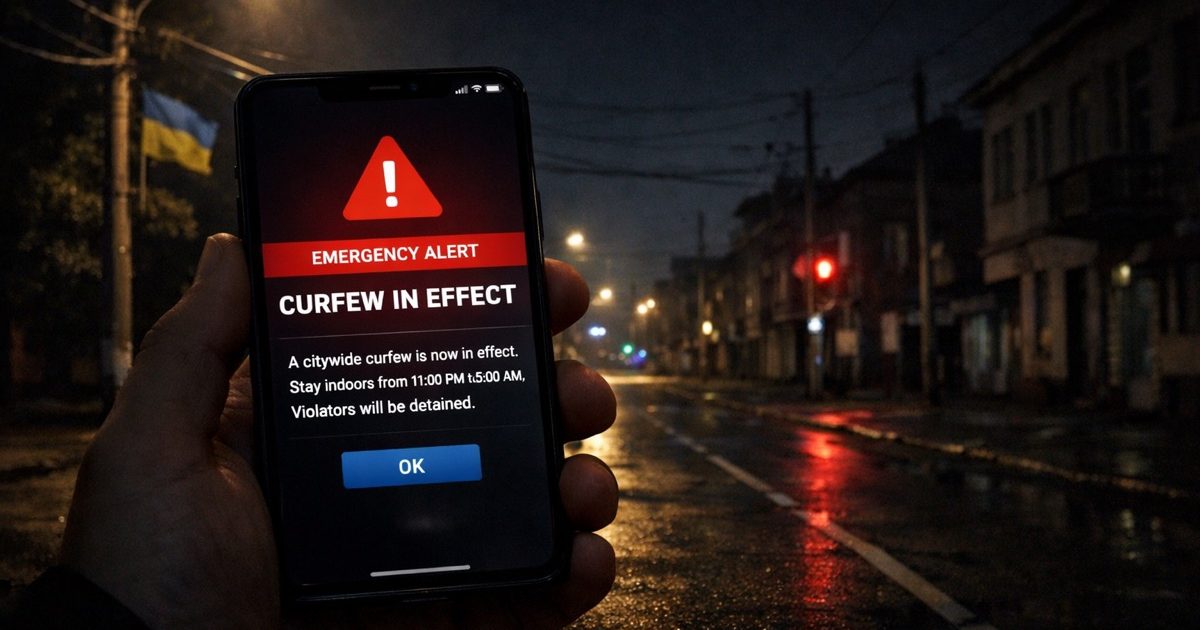
Curfew in Ukraine is a daily restricted period when people are not allowed to be on the streets, in parks, at transport hubs, or in other public places without a valid reason. It is one of the wartime safety measures still used in 2026, and the exact hours depend on the region, city, and current security situation. Curfew rules can change quickly, so travelers should always check the latest local announcements before moving around at night.
In most places, curfew is enforced by the police, National Guard, and sometimes military administrations. The purpose is to reduce movement during hours of higher risk, support emergency response, and help authorities control security incidents. For travelers, this means planning arrivals, departures, taxi rides, and hotel check-ins with extra time, especially if your trip includes an overnight train, late flight, or border crossing.. Rules of Entry to Ukraine
Curfew Hours by Major Cities and Regions
There is no single nationwide curfew schedule that applies everywhere in the same way. In 2026, many regions keep a standard overnight curfew, but hours vary. In some western regions the window may be shorter, while in frontline or higher-risk areas it can be longer and more strictly enforced. The safest approach is to confirm the current local rule on the official regional military administration or city council channel on the day of travel.
As a practical rule of thumb, many major cities operate with curfew overnight, often starting around midnight or 11:00 p.m. and ending around 5:00 a.m. to 6:00 a.m. Kyiv, Lviv, Odesa, Dnipro, Kharkiv, and other large cities may have different exact hours depending on security updates, holidays, or special conditions. In some eastern and southern areas, curfew may begin earlier in the evening or last longer into the morning. Border and frontline communities may also have additional movement restrictions beyond curfew itself.
Because the schedule can change without much notice, do not rely on outdated blog posts, social media comments, or old travel forums. If you are booking transport, choose departures that clearly fall outside the restricted hours, and build in a buffer in case of delays. If you are staying in a hotel, ask the front desk to confirm the current curfew time for that exact city, not just the region.
Who Can Move During Curfew and What Counts as an Exception
Curfew does not usually mean that absolutely nobody can move at all. There are exceptions for people with urgent or authorized reasons, but they are limited and often require proof. Common exceptions may include emergency services, medical transport, critical infrastructure workers, military personnel, law enforcement, and people responding to an urgent health or safety issue. In some cases, a person may also be allowed to move if they have official documents confirming their need to travel.
For travelers, the most important point is that a taxi booking, train ticket, or airline boarding pass is not automatically enough to justify being outside during curfew. If you must travel at a restricted time because of an emergency, contact local authorities, your hotel, or your transport provider immediately to ask what documentation is required. Keep your passport, visa or residence documents, tickets, and hotel confirmation accessible at all times. If you are with a guide, employer, or host, ask them to explain the local procedure in advance.
Foreign visitors should also understand that language barriers can make a simple police check more complicated. Carry a translated note in Ukrainian or English explaining your destination, who you are meeting, and why you are moving. If you are traveling with children, elderly relatives, or someone who needs medical care, keep relevant medical documents and prescriptions with you. We recommend preparing a short digital and paper folder with your ID, booking details, and emergency contacts before your trip.
Penalties and What Happens If You Break Curfew
Breaking curfew can lead to a police stop, identity check, escort to a station, administrative liability, or in some cases more serious consequences if the situation is linked to security concerns or disobedience to lawful orders. The exact penalty depends on the circumstances, the region, and whether the person ignored instructions, lacked documents, or behaved aggressively. In practice, a first encounter may result in a warning or detention for verification, but travelers should not assume leniency.
If you are stopped, stay calm, keep your hands visible, and follow instructions. Do not argue, film officers at close range, or make sudden movements. Show your passport and any supporting documents when asked. If you do not speak Ukrainian, say clearly that you need an interpreter or translation help. If you are detained, ask where you are being taken and how to contact your hotel, host, employer, or consulate if appropriate.
The best way to avoid penalties is simple: do not plan to be outside during curfew unless you have a confirmed exception. This matters especially for late-night airport transfers, nightlife plans, and spontaneous city walks. Many travelers underestimate how fast a city empties before curfew, and public transport, ride-hailing, and even some restaurants may stop earlier than expected.
How Curfew Affects Flights, Trains, Taxis, and Hotel Stays
Curfew has the biggest impact on transport logistics. Domestic and international flights can still operate, but airport access, road transfers, and security procedures may be scheduled around curfew hours. If your flight lands late, check whether your transfer can legally meet you and whether your hotel allows late check-in. For overnight train travel, confirm the station’s operating rules and whether you need to remain inside the station or on the platform until departure.
Taxis and ride-hailing services may not be available during curfew, or drivers may refuse trips that would place them on the road after the start time. Even if a car is available, movement through checkpoints or restricted streets can be delayed. Public transport usually reduces frequency in the evening and stops before curfew begins, so do not assume a bus or metro will be running late enough for your plans. In cities with metro shelters, stations may also be used for civil protection functions, which can affect access and opening hours.
Hotels are usually the easiest place to be during curfew, but you should still confirm the property’s policy. Ask whether the entrance remains open, whether you need a key card or code, and whether late arrivals are accepted. If you plan to go out for dinner or entertainment, leave enough time to return well before the curfew start. A good habit is to set two reminders: one two hours before curfew and one one hour before curfew, so you are not caught off guard.
Practical Tips for Travelers in 2026
Before traveling, check the latest curfew information for each city on your route, not just your final destination. Rules can differ between neighboring regions, and they may change after air alerts, security incidents, or local administrative decisions. Save official sources, your hotel’s contact number, and your transport provider’s support line on your phone and on paper in case your battery dies or mobile data is unavailable.
Plan all evening movement conservatively. Book arrivals and departures with extra time, avoid last-minute intercity transfers, and do not count on finding transport after dark. If you are driving, fill the fuel tank early, keep documents in the car, and know where you will park before curfew starts. If you are walking, return to your accommodation early and avoid isolated areas even before curfew begins.
For visitors who want extra peace of mind, travel insurance and emergency support matter. A policy that includes medical assistance, trip disruption, and 24/7 help can be especially useful when schedules change suddenly. Keep in mind that insurance does not replace compliance with local law, but it can help you manage unexpected costs from delays or cancellations. In 2026, the most successful trips in Ukraine are the ones built around flexibility, local verification, and early planning rather than fixed late-night schedules.
Continue reading
All articles
Booking Hotels in Ukraine: Best Platforms and Tips
Using ATMs in Ukraine: Fees, Limits, and Safety Tips

War Tourism in Ukraine: Ethical Considerations and Guidelines
Internet in Ukraine: VPNs, Blocked Services, and Online Safety
Women Traveling Alone in Ukraine: Safety and Practical Guide