Shopping at Ukrainian Markets: From Bessarabka to Privoz
Why Ukrainian Markets Are Worth Visiting
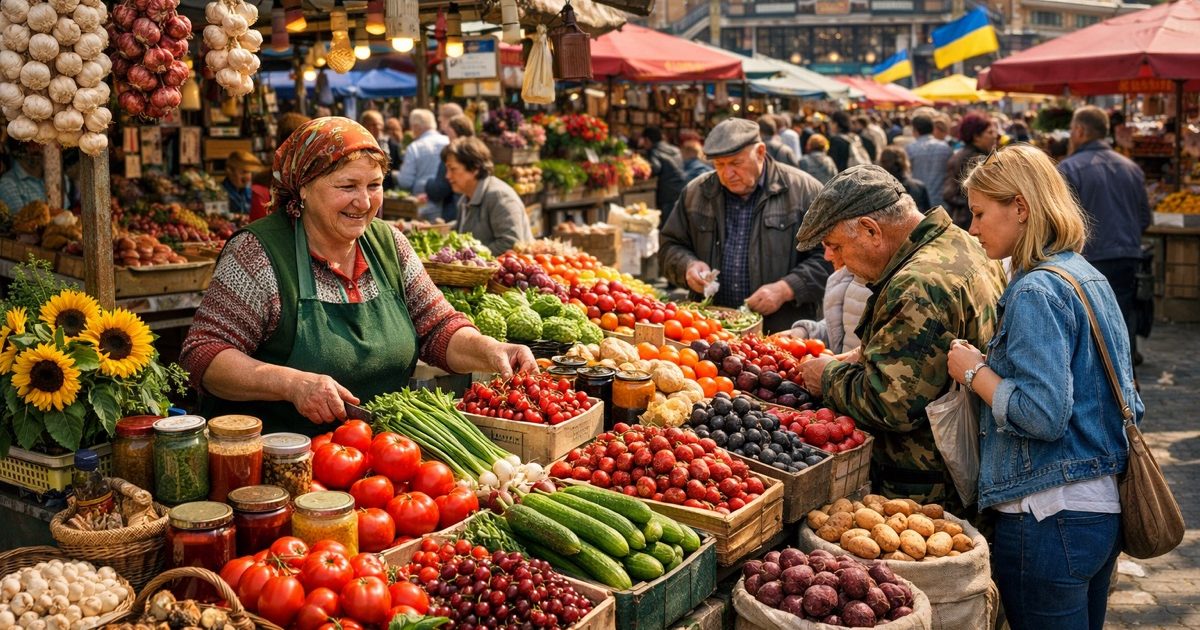
Ukrainian markets are more than places to shop: they are living snapshots of local life, regional food traditions, and everyday habits. In 2026, markets remain one of the best ways to understand a city beyond its museums and main streets. You can taste seasonal produce, talk directly to vendors, compare prices, and find products that rarely appear in supermarkets. For travelers, markets are also one of the easiest places to spend less while eating well.
The experience varies a lot by city and market type. Some markets are polished and central, with gourmet products and fixed prices, while others are loud, practical, and deeply local. In both cases, the key is to know what you are looking for. If you want fresh food, souvenirs with a regional character, or a quick snack on the go, Ukrainian markets can be excellent value. If you are traveling with this website, a market visit also gives you a chance to stock up on water, snacks, and daily essentials before a long train ride or countryside trip.. Rules of Entry to Ukraine
Famous Markets to Visit in Ukraine
Besarabsky Market in Kyiv is one of the most recognizable names for visitors. Located in the city center, it is smaller and more upscale than a traditional open-air bazaar, but it is ideal for specialty foods, cheeses, meats, pastries, and gifts. Prices are usually higher than in neighborhood markets, yet the setting is convenient and the selection is curated. It is a good place to sample premium Ukrainian products without spending half a day shopping.
Privoz in Odesa is the opposite in spirit: large, lively, and famously local. It is one of the best places in Ukraine to see how a classic market works in practice. You will find seafood, fruit, vegetables, spices, dairy products, and a huge range of household goods. Privoz is especially known for its atmosphere, but it also rewards careful shopping: the best stalls are often the ones with the longest queues and the freshest turnover.
Other notable markets include Staryi Rynok in Lviv, where the surrounding area blends history, cafes, and small food vendors, and the Desiatynna or market areas in other major cities, where you can find seasonal produce and everyday goods. In many towns, the central market or “rynok” is still the best place to buy local fruit, honey, mushrooms, and homemade dairy. Travelers who want an authentic experience should ask hotel staff or locals which market is active on the day they plan to visit, since some markets are strongest on weekends or specific mornings.
What to Buy: The Best Finds by Category
Food is the main reason to visit Ukrainian markets. Seasonal fruit and vegetables are usually the best value, especially in summer and autumn. Look for cherries, apricots, plums, apples, tomatoes, cucumbers, peppers, and melons, depending on the season. In colder months, markets are still good for potatoes, onions, cabbage, beets, pickles, and preserved foods. If you are staying in an apartment, a market trip can quickly cover breakfast and snack needs for several days.
Dairy and bakery products are another strong category. Many markets sell sour cream, cottage cheese, bryndza, butter, eggs, and fresh baked goods. Cheese selection varies by region, and vendors often let you taste before buying. Honey is one of the most popular purchases for travelers, but quality differs widely, so ask where it comes from and whether it is raw or filtered. Dried fruits, nuts, sunflower seeds, and homemade jams also make practical gifts.
If you are looking for souvenirs, focus on items that are easy to pack and genuinely local. These include embroidered textiles, ceramics, wooden kitchenware, handmade soaps, and small decorative items. Food souvenirs such as tea blends, spice mixes, candies, and bottled preserves are often safer to transport than fragile crafts. For travelers leaving Ukraine, check customs rules for your destination before buying meat, dairy, or alcohol products, since not all items are allowed across borders.
How Bargaining Works in Ukrainian Markets
Bargaining exists in some Ukrainian markets, but it is not universal. In modern indoor markets, specialty food halls, and branded stalls, prices are often fixed. In open-air markets, especially for fruit, vegetables, flowers, or bulk goods, a small discount may be possible. The best approach is polite curiosity rather than aggressive negotiation. A simple question about price per kilogram or whether there is a discount for multiple items is usually acceptable.
Bargaining works best when you buy more than one item, arrive near closing time, or shop at stalls where prices are not displayed clearly. If a vendor seems busy, do not push for a discount. In many cases, the difference is small, and saving a few hryvnias is not worth creating tension. A good rule is to ask once, accept the answer gracefully, and move on if the price does not fit your budget. In 2026, cash still matters in many traditional markets, although card payments are becoming more common in larger cities. Carry small bills and coins to make transactions smoother.
If you are unfamiliar with local pricing, compare several stalls before buying. Fresh produce can vary significantly in quality, and the cheapest option is not always the best value. Look for fruit and vegetables that are firm, not bruised, and reasonably uniform in size. For dairy, check packaging dates and storage conditions. For honey, spices, and dried goods, ask for a taste or a small sample if the vendor allows it. A little patience usually gets you a better deal than haggling loudly.
Market Etiquette and Practical Safety Tips
Ukrainian market etiquette is straightforward: be polite, be clear, and do not touch products unless invited. Vendors often arrange produce carefully, and picking up items without asking can be seen as rude. If you want to inspect tomatoes, peaches, cheese, or bread, ask first or let the seller choose for you. Greeting the vendor before asking the price is also appreciated, especially in smaller towns where market culture remains very personal.
It is normal to ask questions, but keep them brief and specific. If you need a product for immediate eating, say so. If you want something for travel, mention that you need packaging that will survive a bus, train, or flight. Many vendors are used to helping customers choose ripe fruit, better cuts of meat, or longer-lasting snacks. If you are unsure about language, a few words in Ukrainian or Russian, plus gestures, usually work well. A smile and patience go a long way.
As for safety, markets are generally safe during busy daytime hours, but they can be crowded. Keep your wallet, phone, and passport secure, and avoid counting large amounts of cash in public. If you are buying food to carry around all day, use a small cooler bag in warm weather. Wash fruit before eating, especially if you plan to consume it immediately. Travelers with food sensitivities should ask about ingredients in homemade products, since labels may be limited. If you have a long travel day ahead, choose sealed items and bottled drinks from reputable stalls.
How to Shop Smart at Markets in 2026
The smartest market shoppers in Ukraine usually follow the same routine: they visit early for the best selection, compare a few stalls, buy seasonal products, and keep an eye on freshness rather than just price. Early morning is often best for produce and dairy, while later hours can bring discounts on items that need to be sold the same day. If you are staying in a city for more than one night, it can be worth visiting the same market twice: once to compare, and once to buy.
Plan your purchases around your itinerary. If you are taking a train, choose durable snacks such as dried fruit, nuts, baked goods, and packaged cheese. If you are flying, avoid liquids and fragile items unless they are properly sealed and allowed by airline rules. If you are crossing a border, check duty-free and customs restrictions before buying alcohol, meat, or homemade preserves. For travelers who want extra peace of mind, keeping travel insurance and emergency support in place can help if a market visit turns into an unexpected problem, such as food poisoning, theft, or a lost bag.
Most importantly, treat markets as part of the experience, not just a transaction. Ask about the origin of products, try something seasonal, and take time to notice how locals shop. Whether you are browsing the polished counters of Besarabka or navigating the energy of Privoz, you will leave with more than groceries. You will leave with a better sense of Ukraine’s daily rhythm, regional tastes, and market culture.
Continue reading
All articles
Spring Travel in Ukraine: Cherry Blossoms and Cultural Awakening
Autumn in Ukraine: Golden Landscapes and Harvest Season

Romantic Getaways in Ukraine: Best Destinations for Couples
Alcohol Laws in Ukraine: What Travelers Should Know

Foreign Embassies and Consulates in Ukraine: Complete Directory