Ukrainian Hryvnia: A Complete Currency Guide for Travelers
What Is the Ukrainian Hryvnia and How to Plan Your Budget
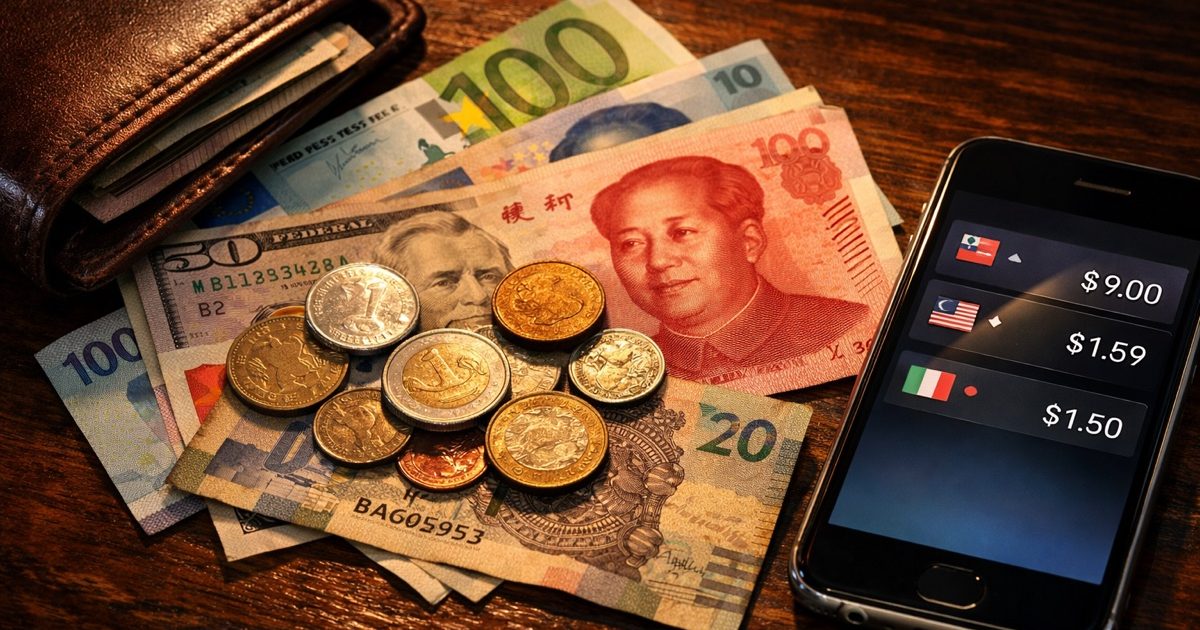
The Ukrainian hryvnia (UAH, sometimes written as ₴) is the official currency of Ukraine and the only currency used for everyday purchases in most places. Banknotes and coins come in familiar denominations, and prices are usually displayed in hryvnia even when businesses accept foreign cards. For travelers, the most important thing is to plan with a small cash reserve, because card acceptance can vary by location and by the type of business.
Exchange rates in 2026 continue to fluctuate, so it is best to check a reliable bank or financial app before you travel rather than relying on airport kiosks or informal exchangers. Rates in city centers are usually better than at airports, train stations, or hotels. If you are coming from abroad, compare the cash exchange rate and the card payment rate separately, because your bank may add a foreign transaction fee or use its own conversion rate.. Ukraine entry requirements
A practical budgeting approach is to keep most of your money on a card and withdraw or exchange only what you need for 2–3 days at a time. That reduces the risk of carrying too much cash and helps you avoid losing money to poor exchange rates. If you are unsure how much cash to bring, think about transport, small cafés, markets, tips, and emergencies first, then add a buffer for unexpected needs.
Where to Exchange Money Safely
The safest places to exchange currency in Ukraine are licensed banks and official exchange offices with clear posted rates. Look for visible business signage, a displayed license or registration information, and a rate board that shows both buy and sell rates. In major cities such as Kyiv, Lviv, Odesa, and Dnipro, exchange offices are common and usually straightforward to use. Always count your money before leaving the counter and keep the receipt until you are sure the amount is correct.
Avoid street exchangers, unofficial offers through messaging apps, and anyone who suggests a “better rate” outside a regulated office. These deals can involve counterfeit notes, hidden fees, or simple scams. Airport exchange desks are convenient but often less favorable, so use them only for a small amount if you need immediate cash for transport or food. Hotels may also exchange money, but the rate is usually weaker than at a bank or licensed exchange office.
If you are exchanging large sums, do it during business hours and choose a busy, well-lit location. It is also wise to bring clean, undamaged foreign banknotes, because some offices may refuse torn or heavily marked bills, especially older U.S. dollars or euros. For travelers who need help understanding local payment habits and money safety, We recommend checking current local guidance before moving between cities or regions.
ATMs, Cards, and Cash Withdrawal Tips
ATMs are widely available in Ukrainian cities and are often the easiest way to get hryvnia if your card works internationally. Machines are usually located in bank branches, shopping centers, train stations, and near major streets. For safety, use ATMs attached to bank buildings or inside secure spaces rather than isolated machines on the street. Before inserting your card, inspect the card slot and keypad for anything unusual, and cover the keypad when entering your PIN.
When withdrawing cash, choose to be charged in hryvnia rather than accepting dynamic currency conversion in your home currency. Dynamic conversion often looks convenient, but it usually gives you a worse exchange rate. Also, check your bank’s international withdrawal fee and daily limit before traveling, because some foreign cards charge a fixed fee per transaction, making several small withdrawals more expensive than one larger withdrawal.
Card payments are common in supermarkets, restaurants, pharmacies, hotels, and many urban taxis, but smaller cafés, local markets, rural guesthouses, and independent vendors may still prefer cash. Contactless payment is increasingly normal in 2026, yet a backup card and some cash remain important. If your card is declined, ask whether the terminal supports another network or whether the merchant can split the bill between card and cash.
Tipping Culture in Ukraine
Tipping in Ukraine is appreciated but usually not mandatory. In restaurants, leaving around 5–10% is common if service was good, especially in sit-down places in larger cities. Some higher-end restaurants may include a service charge, so check the bill before tipping extra. If the service was poor, you are not expected to tip.
In cafés, casual eateries, bars, and coffee shops, many travelers simply round up the bill or leave a small amount of change. For taxi rides, rounding up to the nearest convenient amount is typical, especially if the driver helped with luggage or the fare was low. Hotel staff, tour guides, and private drivers may also receive a modest tip for good service, but the amount depends on the level of assistance and the length of the service.
When paying by card, ask whether you can add a tip to the terminal before confirming the payment. If not, carry a few small banknotes for gratuities. Avoid over-tipping out of confusion; in Ukraine, modest and respectful tipping is more normal than large percentages. The key is to tip consistently when service exceeds expectations rather than feeling pressured to do so everywhere.
How to Keep Your Money Safe While Traveling
Money safety starts with splitting your funds. Keep one card and a small amount of cash in your wallet, and store the rest separately in a hotel safe, secure bag, or hidden money belt. If you lose your wallet, you should still have access to backup funds. It is also smart to keep digital copies of your cards, passport, and important bank contact numbers in case you need to report theft or freeze a card quickly.
Be careful in crowded places such as train stations, markets, festivals, and busy public transport. Pickpocketing is usually opportunistic, so keep your bag closed and in front of you, and avoid counting cash openly on the street. When paying at a café or shop, do not let your card disappear out of sight if avoidable, and always check the amount on the terminal before approving the transaction. If a cashier says the terminal is “temporarily down,” ask for a receipt or use another payment method rather than handing over cash without confirmation.
If you are carrying a large amount of money, consider making smaller withdrawals over time instead of one big withdrawal. This lowers your exposure if you misplace cash. Finally, notify your bank about your travel plans if your bank recommends it, enable card alerts, and keep emergency contact details accessible offline. Good preparation is the simplest way to avoid money stress and focus on your trip.
Common Traveler Mistakes to Avoid
One common mistake is assuming that every place in Ukraine accepts cards. In reality, smaller towns, markets, and some transport providers may still operate mostly in cash. Another frequent error is exchanging money at the first available kiosk without comparing rates. Even a small difference in exchange rate can matter if you are converting a larger amount.
Travelers also sometimes forget about ATM and card fees, which can quietly add up. Before your trip, check whether your bank charges foreign withdrawal fees, foreign purchase fees, or weekend exchange markups. If your bank card offers fee-free withdrawals, verify the partner network and any local ATM operator fees. Keep in mind that some local ATMs may offer their own surcharge, which should be shown before you confirm the transaction.
The best strategy is simple: use cards where possible, withdraw cash from secure bank ATMs, exchange money only at licensed offices, and keep a backup plan for emergencies. With a little preparation, managing Ukrainian hryvnia is straightforward and safe for most travelers in 2026.
Continue reading
All articles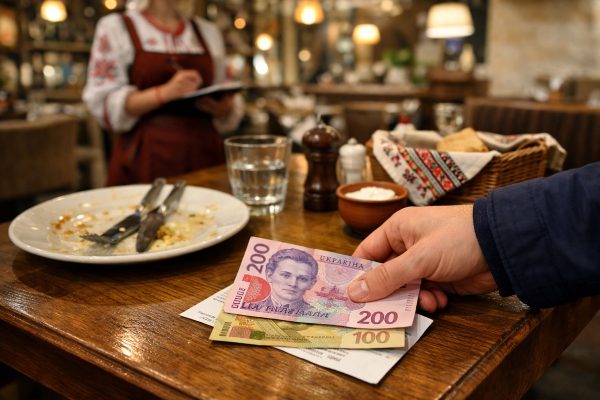
Tipping in Ukraine: How Much, When, and Where

Banking in Ukraine for Foreigners: Opening Accounts and Money Transfers
Budget Travel in Ukraine: How to Explore on $30-50 Per Day

Spring Travel in Ukraine: Cherry Blossoms and Cultural Awakening
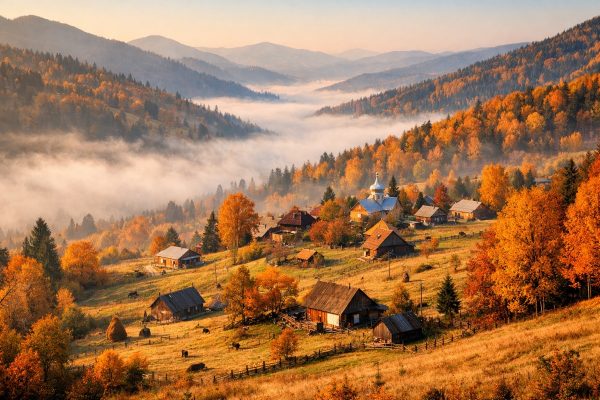
Autumn in Ukraine: Golden Landscapes and Harvest Season