Essential Ukrainian Phrases for Travelers
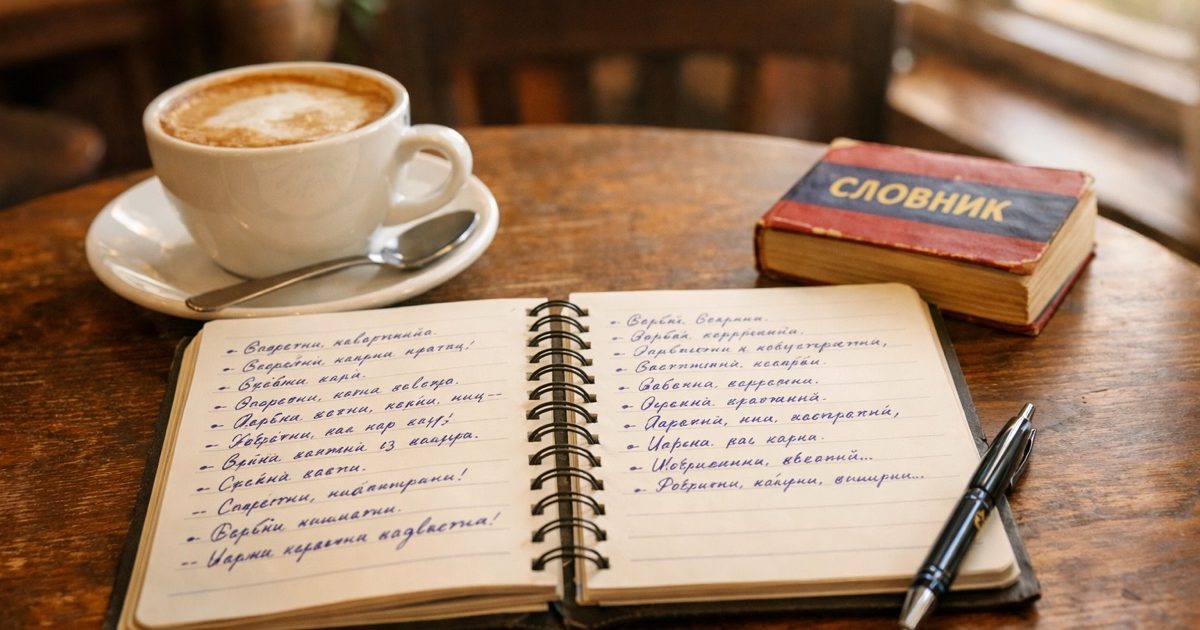
Why a Few Ukrainian Words Go a Long Way
You do not need to speak Ukrainian fluently to travel comfortably in Ukraine, but learning a few key phrases can make everyday interactions much smoother. In 2026, many people in larger cities, hotels, and tourist-oriented businesses can communicate in English, yet a simple greeting or thank-you in Ukrainian often creates a warmer response and helps when English is limited. It also shows respect for local culture, which is especially appreciated in smaller towns and in more formal situations.
For travelers, the most useful phrases are the ones that solve real problems: asking where something is, ordering food, checking prices, and explaining an emergency. If you are traveling with this website, it is still worth keeping a short phrase list on your phone or on paper, because mobile internet may not always be reliable and a quick phrase can save time in a stressful moment.. Insurance Ukraine
The good news is that Ukrainian pronunciation is fairly consistent once you know the basics. Even if your accent is not perfect, people usually understand the effort and will often help you with a smile. Focus on clarity, not speed, and do not worry about speaking in full sentences.
Restaurant and Shopping Phrases
Food is one of the easiest areas to practice Ukrainian because menus often include familiar dishes, and staff usually understand simple requests. If you want to order, say “Ya khochu…” meaning “I would like…” For example, “Ya khochu borshch” means “I would like borshch.” If you need the menu, ask “Meniu, bud laska.” To ask for the bill, say “Rakhunok, bud laska.”
Dietary needs are worth learning in advance. “Bez miasa” means “without meat,” “bez molochnoho” means “without dairy,” and “ya ne yidu…” means “I don’t eat…” If you have allergies, be direct and specific. For example, “U mene alerhiia na horikhy” means “I am allergic to nuts.” In busy cafes, short phrases are often better than long explanations, especially if the staff is trying to serve many customers at once.
In shops, “Skilky tse koshtuye?” means “How much does this cost?” and “Meni potribno…” means “I need…” If you want something smaller or larger, use “menshe” for less/smaller and “bilshe” for more/larger. Carrying cash in small denominations can also help because not every place accepts cards, especially in local markets or small towns.
- Ya khochu… — I would like…
- Meniu, bud laska — Menu, please
- Rakhunok, bud laska — The bill, please
- Bez miasa — Without meat
- Bez molochnoho — Without dairy
- Ya ne yidu… — I don’t eat…
- U mene alerhiia na… — I am allergic to…
- Skilky tse koshtuye? — How much does this cost?
Emergency and Health Phrases
In an emergency, short and direct language matters more than perfect grammar. The most important phrase is “Potrebna dopomoha” — “I need help.” If you need police, say “Politsiia”; for an ambulance, say “Shvydka dopomoha,” which refers to emergency medical help. If you are injured, “Meni bolyt” means “It hurts,” and you can point to the affected area. If you need a doctor, say “Meni potriben likar” if you are male or “Meni potribna likar” if you are female, though many travelers simply use the neutral phrase “Meni potriben/potribna likar” and point to themselves.
It is also helpful to know “Ya ne rozumiiu” — “I don’t understand” — and “Povtoryte, bud laska” — “Please repeat.” If you are separated from your passport, wallet, or phone, say “Ya vtratyv/vtratyla…” meaning “I lost…” followed by the item. For example, “Ya vtratyv pasport” or “Ya vtratyla telefon.” If you are in danger, try to move to a populated area, contact local emergency services, and share your location with someone you trust.
Before traveling, save emergency numbers in your phone, along with your hotel address and a contact person. If you are using a local SIM or eSIM, test calls and messaging before you need them. A translation app with offline Ukrainian phrases can also be useful, but do not depend on it as your only backup.
- Potrebna dopomoha — I need help
- Politsiia — Police
- Shvydka dopomoha — Ambulance / emergency medical help
- Meni bolyt — It hurts
- Meni potriben likar / Meni potribna likar — I need a doctor
- Ya ne rozumiiu — I don’t understand
- Ya vtratyv/vtratyla… — I lost…
How to Communicate Well Without Fluency
If you are not fluent, the best strategy is to keep your communication simple, patient, and visual. Speak slowly, use short sentences, and point when needed. Showing an address, a written name, or a map on your phone often works better than trying to explain everything verbally. In many situations, a combination of Ukrainian words, English, gestures, and translation apps is enough to get the job done.
It helps to prepare a few “survival phrases” before your trip and keep them in a notes app or on a printed card. Prioritize greetings, numbers, directions, food requests, and emergency phrases. You do not need to memorize everything; even 15 to 20 words can cover a surprising number of daily situations. If someone speaks quickly, say “Povtoryte, bud laska” and ask them to write it down if possible.
Finally, remember that communication is not only about language. A calm tone, a smile, and a little patience often matter just as much as vocabulary. When in doubt, ask for help politely and show that you are trying. Travelers who make that effort usually find that Ukrainians are practical, direct, and very willing to assist when approached respectfully.
- Speak slowly and use short sentences
- Show addresses, names, or maps on your phone
- Keep a small phrase list offline
- Ask people to repeat or write things down
- Use gestures carefully and politely
- Learn 15–20 high-value words first
Continue reading
All articles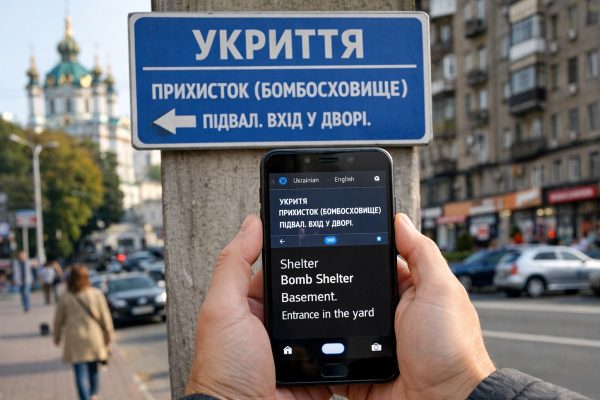
Navigating the Language Barrier in Ukraine: Translation Apps and Tips

Top Museums in Ukraine: History, Art, and War Memorials
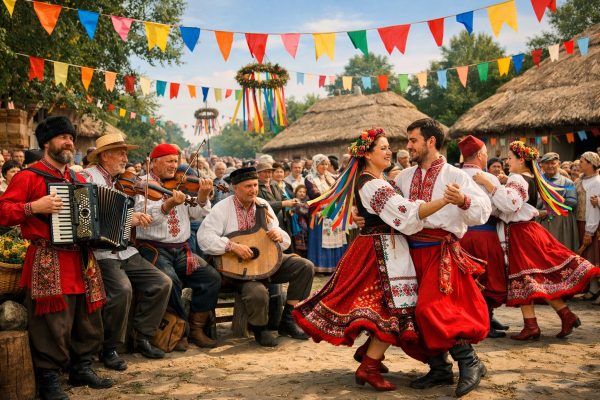
Ukrainian Festivals and Events to Attend in 2026

Ukrainian Craft Beer Scene: Breweries and Bars Worth Visiting
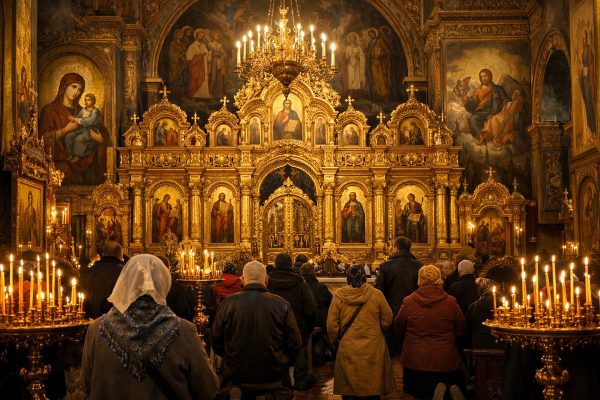
Religious Sites in Ukraine: Churches, Cathedrals, and Monasteries Worth Visiting