Odesa Travel Guide: Black Sea Pearl Under Martial Law
Why Odesa Still Draws Travelers in 2026
Odesa remains one of Ukraine’s most distinctive cities: a Black Sea port with a relaxed summer mood, elegant 19th-century architecture, a strong sense of humor, and a food culture shaped by the sea and by many communities that have lived here over time. Even under martial law, the city continues to welcome visitors, but travel now requires more planning, flexibility, and attention to security updates than in peacetime. The best approach is to treat Odesa as a destination where you can still enjoy the coast, museums, and restaurants, while staying ready to change plans if the situation changes.
In 2026, the practical reality is simple: check the current security situation before departure, follow local authorities’ instructions during air alerts, and avoid assuming that a normal beach holiday means a normal prewar routine. Infrastructure can be affected by attacks, power cuts, or temporary restrictions. That does not make travel impossible, but it does mean visitors should build extra time into their itinerary, keep offline maps and key documents available, and choose accommodation with backup power if possible. This site can help travelers think through these risks before they go.. Buy travel insurance Ukraine
Top Sights: Potemkin Steps, Primorsky Boulevard, and the Historic Center
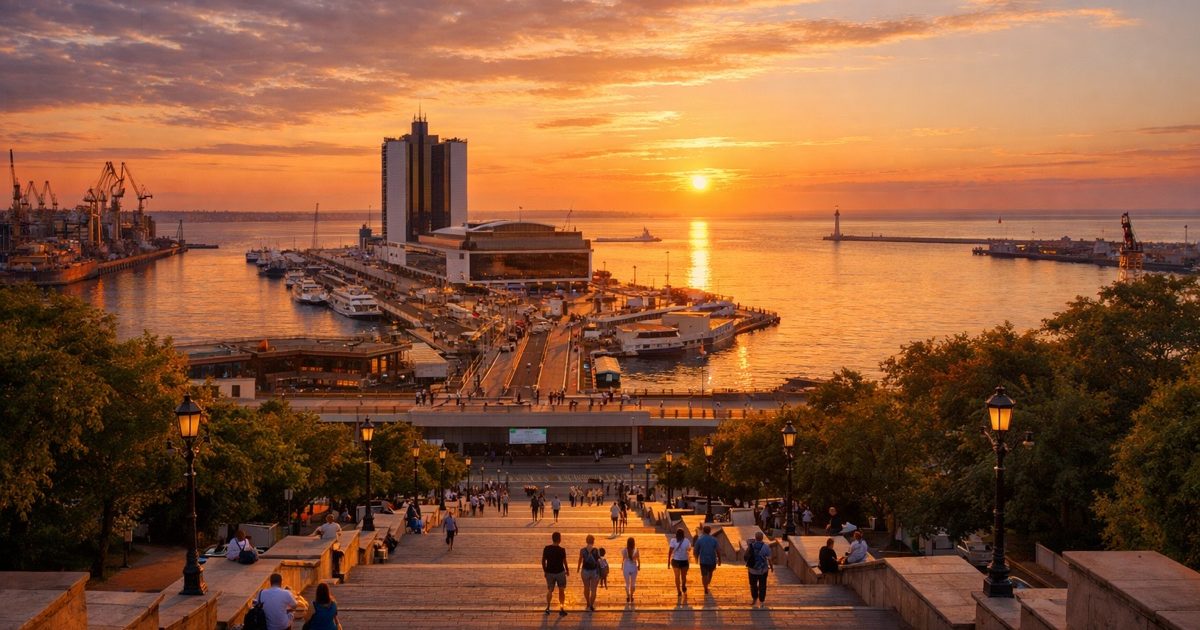
For many first-time visitors, the classic starting point is the Potemkin Steps. These monumental steps connect the city center with the port and are one of Odesa’s most recognizable landmarks. They are especially striking when viewed from above on Primorsky Boulevard, where you can enjoy sea views, statues, and the city’s grand 19th-century atmosphere. The steps themselves are best appreciated as a viewpoint and symbol of the city rather than just a photo stop, so give yourself time to walk the surrounding area as well.
Nearby, the historic center is where Odesa’s character becomes most visible. The Opera and Ballet Theater, Deribasivska Street, City Garden, and the surrounding blocks offer a compact route for a walking day. Many buildings show a mix of imperial elegance and urban wear, which is part of Odesa’s charm. If you like architecture, look for courtyards, ornate facades, and passages that hint at the city’s merchant past. Because some landmarks may have limited access or altered hours during martial law, it is worth checking opening times on the day you plan to visit rather than relying on older guides.
Beaches and the Black Sea: What to Expect Right Now
Odesa’s beaches remain a major reason people come in summer, but the beach experience in 2026 is different from the carefree prewar image many travelers may remember. Conditions can change quickly depending on security alerts, local rules, and the state of coastal infrastructure. Some areas may be open, while others may be restricted or temporarily closed. Always confirm whether a beach is officially accessible before you go, and pay attention to signs, barriers, and local announcements.
If you do go to the coast, choose well-known areas with clear access and basic services rather than isolated spots. Bring water, sun protection, and a plan for getting to shelter quickly if needed. Do not ignore air alerts just because you are near the sea. In practice, the safest beach day is one that includes a nearby shelter option, a charged phone, and a willingness to leave immediately if authorities instruct people to do so. The sea remains beautiful, but the travel mindset must be more cautious than in ordinary resort travel.
The Catacombs: Fascinating, but Only With a Trusted Operator
Odesa’s catacombs are among the city’s most unusual attractions. This vast underground network of quarries, tunnels, and passages stretches far beyond the city and has layers of history tied to stone extraction, smuggling, wartime sheltering, and local legends. For many visitors, the catacombs are a memorable way to understand Odesa beyond its surface beauty. They also offer a cooler indoor activity on hot days, which is useful in summer.
However, this is not a place to explore casually or independently. The catacombs are easy to get lost in, and conditions underground can be dangerous even in normal times. Choose only a reputable, officially organized tour with a guide who knows the route, safety procedures, and current access rules. Ask about duration, lighting, group size, and whether the tour is appropriate for children or people with mobility concerns. If a tour operator cannot clearly explain safety measures, pick another one. In a city under martial law, this is one attraction where professionalism matters even more than usual.
Odesa’s Food Scene: Sea Flavors, Cafés, and Local Classics
Odesa is one of Ukraine’s best cities for eating well. The food scene combines Black Sea fish and seafood with regional Ukrainian dishes, Jewish and Balkan influences, and a strong café culture. Look for dishes such as borshch, varenyky, fish soup, grilled or fried local fish, and seasonal produce from nearby farms. In summer, many visitors enjoy light meals, salads, fresh pastries, and seafood restaurants near the center or along the coast. The city also has a lively coffee culture, so it is easy to build a day around breakfast, a long lunch, and an evening dessert stop.
Practical dining advice matters here too. Some restaurants may have reduced hours, limited menus, or generator-backed service during outages. It is smart to carry cash as well as a card, since payment systems can be interrupted. If you want to try popular places, reserve ahead when possible, especially on weekends. Ask whether the venue has a shelter or a plan for air alerts if you expect to stay long. The best Odesa meals are not just about taste; they are also about choosing places that operate responsibly and can handle disruptions without confusion.
Practical Travel Considerations Under Martial Law
Before traveling to Odesa, check the latest entry rules, curfews, transport schedules, and any restrictions that may apply to your nationality or route. Martial law can affect train and bus timetables, access to certain coastal areas, photography near sensitive sites, and movement during nighttime hours. If you are arriving from abroad, build in extra connection time and avoid tight onward plans. If you are a Ukrainian traveler, keep your ID, tickets, and any military-related documents or exemptions required by your situation readily accessible.
Plan for disruptions. Download offline maps, save hotel contacts, and keep power banks charged. Choose accommodation with clear instructions for air alerts and a place to shelter. Avoid wandering near military or critical infrastructure, and do not photograph checkpoints, air defense systems, damaged sites, or anything that appears sensitive. If an alert sounds, follow local instructions immediately rather than waiting to see whether it is serious. For peace of mind, many travelers also arrange insurance that reflects current conditions and understand what is and is not covered during wartime travel. The key to enjoying Odesa now is not pretending the situation is normal, but traveling responsibly within the reality that exists today.
Continue reading
All articles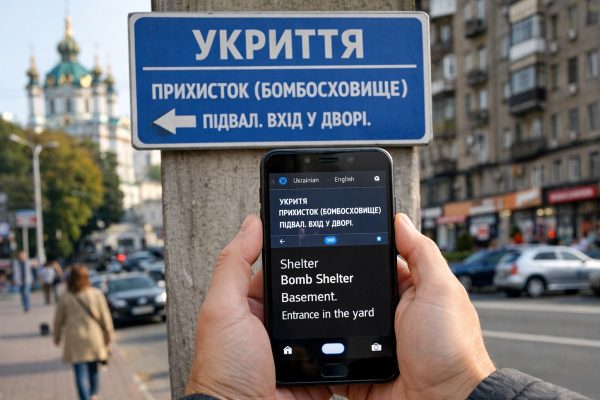
Navigating the Language Barrier in Ukraine: Translation Apps and Tips

Top Museums in Ukraine: History, Art, and War Memorials
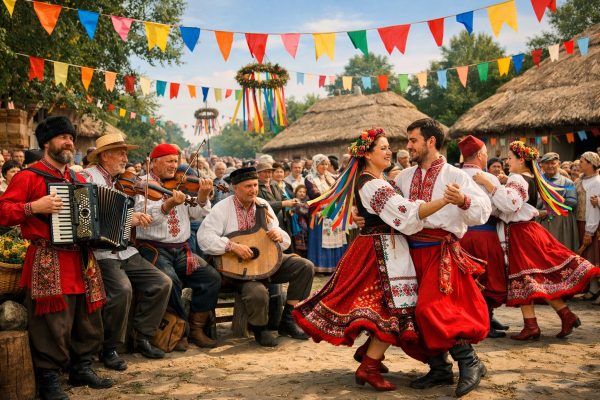
Ukrainian Festivals and Events to Attend in 2026

Ukrainian Craft Beer Scene: Breweries and Bars Worth Visiting
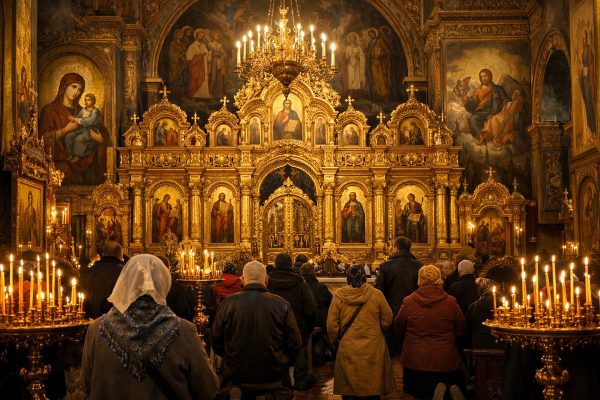
Religious Sites in Ukraine: Churches, Cathedrals, and Monasteries Worth Visiting