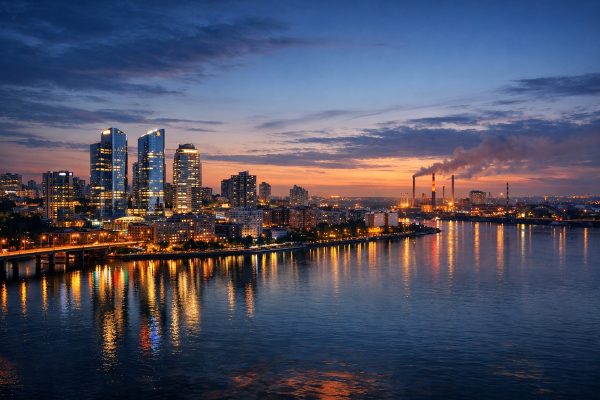
Kharkiv Travel Guide: Ukraine’s Second City
Why Kharkiv Matters for Travelers
Kharkiv is one of Ukraine’s most important cities: a major educational center, an industrial hub, and a place with a strong identity shaped by science, architecture, and resilience. Often called Ukraine’s second city, it offers a very different experience from Kyiv or Lviv: broader avenues, a more Soviet-era urban layout, a large student population, and a cultural scene that has been steadily adapting to wartime realities. For travelers interested in modern Ukrainian life, Kharkiv is a city that tells a powerful story.
Before planning a trip, it is important to understand the current situation. Kharkiv lies close to the northeastern front and has been affected by missile and drone attacks during the war. Conditions can change quickly, and some attractions, transport links, and public spaces may be restricted or temporarily closed. If you are considering travel, check official local updates, observe curfews and air-raid alerts, and plan with flexibility. Services such as This site can help travelers stay informed and better prepared.. Insurance Ukraine
Top Sights: Freedom Square, Shevchenko Park, and the Historic Center
Freedom Square is the symbolic heart of Kharkiv and one of the largest city squares in Europe. It is a landmark of scale and urban planning, framed by notable buildings and often used as a reference point for city navigation. Even if your visit is brief, seeing Freedom Square helps you understand Kharkiv’s identity as a city of wide spaces, institutions, and public life. Depending on security conditions, the square may be best appreciated as part of a walking route rather than a long stop.
Shevchenko Park is another essential place to visit. It is a central green space where locals walk, rest, and meet friends, and it offers a calmer contrast to the city’s broad boulevards. The park is especially useful for travelers who want to experience everyday Kharkiv rather than only monuments and museums. Nearby, you can explore the historic center, including restored facades, churches, and civic buildings that reflect the city’s pre-war architectural layers and its ongoing efforts to preserve urban heritage.
If you have more time, look for museums and cultural institutions that are open at the time of your visit. Kharkiv has long been known for its theaters, galleries, and intellectual life, but wartime conditions mean schedules may change without much notice. Always verify opening hours on official pages or by phone before setting out.
Universities and Student Life
Kharkiv is one of the main university cities in Ukraine, and its academic reputation is a major part of its character. Institutions such as V. N. Karazin Kharkiv National University, the National Technical University KhPI, and several medical, legal, and arts schools have made the city a magnet for students from across Ukraine and abroad. This gives Kharkiv a youthful atmosphere, especially in areas near campuses, libraries, and student housing.
For visitors, the university environment matters because it shapes the city’s cafés, bookstores, language culture, and public spaces. You will often hear Ukrainian and Russian in daily life, and English is more likely to be understood in academic settings than in smaller shops or transport. If you are visiting for education, conferences, or university-related travel, confirm whether classes are operating in-person, online, or in a hybrid format, since wartime conditions have changed campus routines.
Travelers should also remember that many academic buildings have been damaged or have limited access. A respectful approach is essential: avoid entering restricted areas, do not photograph security infrastructure, and follow any instructions from university staff or local authorities. Kharkiv’s universities remain a source of civic resilience, but they are also part of a city still living through war.
Food Scene: What to Eat and Where to Look
Kharkiv’s food scene combines traditional Ukrainian dishes, Soviet-era comfort food, and a growing number of modern cafés and bakeries. You can expect classics such as borshch, varenyky, holubtsi, salo, and chicken Kyiv, along with breakfast cafés, pizza places, and casual lunch spots popular with students and office workers. In the city center, many restaurants focus on affordable, hearty meals that suit both locals and travelers.
If you want to understand the city through food, try bakeries and coffee shops around central streets and near university districts. These places often offer a good balance of quality, price, and atmosphere. For a more local experience, look for lunch menus, which are commonly cheaper than dinner service and usually include soup, a main dish, and a drink. Card payments are widely accepted, but it is still wise to carry some cash in case of power outages or connection problems.
Because of the war, some venues may operate with reduced hours or have shelter procedures in place. Choose places that clearly display safety information and keep an eye on air-raid alerts while eating out. If you are staying longer, ask locals which restaurants are currently reliable rather than relying only on older online reviews, since the hospitality scene can change quickly.
Safety Near the Front: What Travelers Need to Know
Kharkiv’s biggest travel issue in 2026 is not ordinary city crime but the security risk linked to its proximity to the front line. The city has experienced repeated shelling and drone attacks, and even areas that seem calm can become dangerous without warning. Travelers should assume that the situation may change during a single day. Before departure, review official advisories from your government, local administration, and transport providers, and be ready to cancel or shorten your trip if conditions worsen.
Once in the city, build your plans around safety rather than sightseeing efficiency. Download a reliable air-raid alert app, know the location of the nearest shelter in your hotel or apartment, and avoid staying in buildings with unclear evacuation routes. Do not linger outdoors during alerts, and do not assume that a central location is safer than a residential one. If you hear explosions or an alarm, move immediately to shelter and wait until authorities confirm it is safe to leave.
Practical travel habits matter. Keep your passport, insurance details, power bank, water, and medications together in a small bag that you can grab quickly. Use official taxis or trusted ride apps where available, and avoid unnecessary night travel. If you are a foreign visitor, register with your embassy if your country offers that service. Travel insurance is strongly recommended, and make sure it covers war-related risks if such coverage is available to you. In uncertain conditions, flexibility is part of safe travel.
How to Plan a Responsible Visit
A Kharkiv trip in 2026 should be planned with realism and respect. The city is not a typical weekend destination right now, but for travelers with a specific purpose—family visits, university business, humanitarian work, journalism, or carefully considered tourism—it can still be meaningful. Build extra time into your itinerary, keep accommodation cancellation policies flexible, and avoid overpacking your schedule. A short, well-prepared visit is better than a rushed one.
Choose accommodation in a location that is convenient for your needs and has a clear shelter plan. Ask directly whether the building has a basement or protected area, whether generators are available, and how staff communicate during alerts. If you are traveling for the first time, share your route and check-in times with someone you trust. Small preparations make a major difference in a city living under wartime pressure.
Kharkiv remains a city of learning, resilience, and everyday life. Its parks, squares, universities, and cafés show a side of Ukraine that is intellectually proud and deeply determined. If you visit, do so with awareness, patience, and a willingness to adapt. That approach will help you experience the city more safely and more honestly.
Continue reading
All articles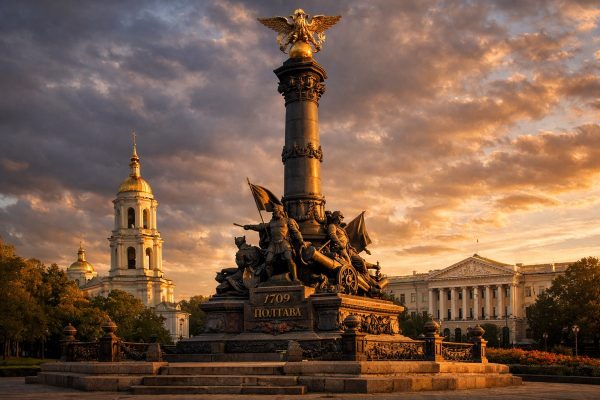
Poltava Travel Guide: History and Halushky
Best Day Trips from Kyiv: Exploring Beyond the Capital

Uzhhorod and Mukachevo: Gateway to Transcarpathia
Ivano-Frankivsk and the Prykarpattia Region: City Life, Carpathian Gateway, and Hutsul Culture
Vinnytsia Travel Guide: The City of Fountains