Exploring the Carpathian Mountains: Ukraine’s Mountain Paradise
Why the Carpathians Are Worth the Trip
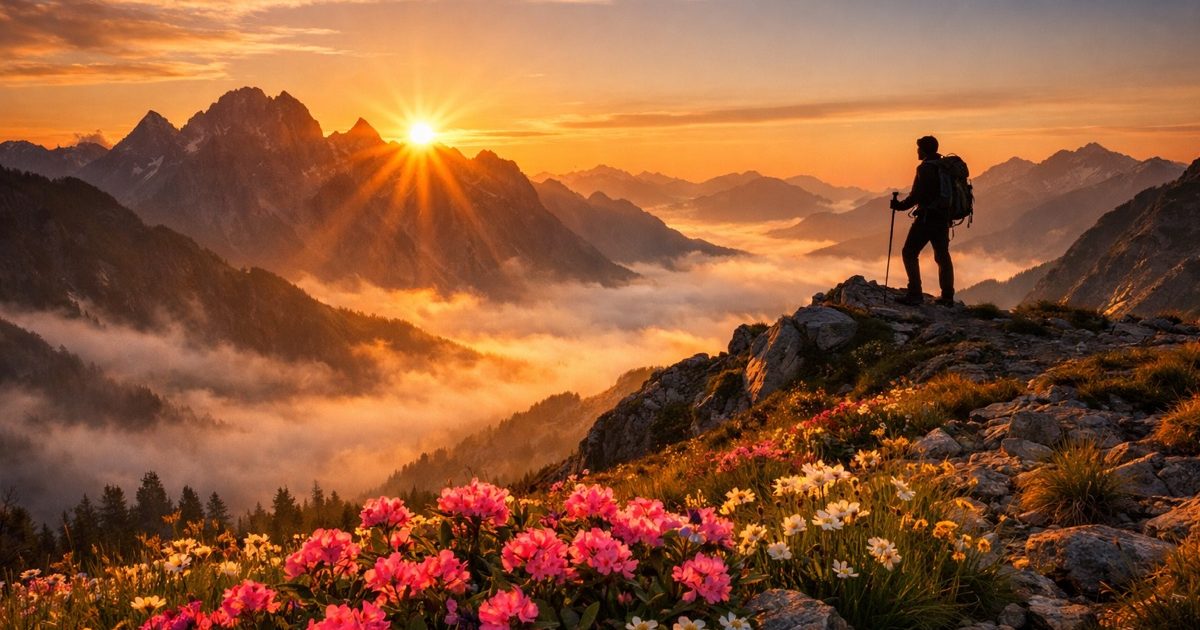
Ukraine’s Carpathian Mountains are the country’s best all-season escape: forested ridges, clear rivers, wooden villages, mineral springs, and mountain air that feels completely different from the cities. The region stretches across western Ukraine and includes some of the most accessible peaks in the country, making it suitable for weekend trips as well as longer hiking or ski holidays. In 2026, the Carpathians remain one of the most practical destinations for travelers who want nature without complicated logistics.
The area is especially attractive because it combines outdoor activities with local culture. You can spend one day on a ridge trail and the next in a village museum, tasting traditional food or learning about Hutsul crafts. Unlike many alpine destinations, the Carpathians are still relatively affordable, though prices rise sharply in peak ski and holiday periods. If you are planning a trip, book transport and accommodation early, especially for Bukovel and popular summer weekends.. Rules of Entry to Ukraine
Best Hiking Trails and Mountain Routes
The Carpathians offer a wide range of hiking options, from easy day walks to demanding multi-day treks. For first-time visitors, the most popular route is Mount Hoverla, Ukraine’s highest peak. The standard ascent is manageable for reasonably fit hikers in good weather, but it still requires proper shoes, water, and a realistic pace. Another favorite is Pip Ivan, which is more challenging and often chosen by experienced hikers who want a longer mountain experience and dramatic views.
If you prefer gentler routes, look for trails around Yaremche, Vorokhta, and the Svydovets range, where you can combine forest walks, waterfalls, and ridge viewpoints. In summer and early autumn, weather can change quickly, so carry a rain jacket even on clear mornings. Trails are not always marked as clearly as in Western Europe, so offline maps and a local guide are useful on less-traveled routes. For safety, start hikes early, check the forecast, and avoid ridge routes during storms or heavy fog.
Many travelers underestimate the distance and elevation gain in the Carpathians because the landscapes look soft and green. In reality, mountain weather can be harsh, paths can become muddy, and mobile signal may disappear for hours. If you plan to hike independently, tell someone your route and expected return time. We recommend keeping travel insurance and emergency contacts accessible, especially if you are doing longer treks or winter hikes.
Skiing in Bukovel and Slavske
Bukovel is the best-known ski resort in Ukraine and the most developed winter destination in the Carpathians. It offers the widest range of lifts, piste grooming, rentals, ski schools, and accommodation options, which makes it the easiest choice for families and beginners. The resort is modern, busy, and usually the most expensive place in the region, especially during New Year, Christmas holidays, and February weekends. If you want convenience and nightlife, Bukovel is hard to beat.
Slavske is a more relaxed alternative with a local feel and generally lower prices. It is popular with Ukrainian travelers who want skiing without the scale and cost of Bukovel. The terrain suits beginners and intermediate skiers, though conditions depend more on natural snowfall and local weather. Slavske is also a good base for travelers who want to mix skiing with hiking, village visits, and quieter evenings.
For winter trips, book accommodation as early as possible and check whether your lodging is close to the lifts or requires a transfer. In peak season, road traffic can slow down significantly, and parking near resort centers may be limited. Bring cash as a backup, because not every small rental, café, or equipment shop accepts cards reliably in mountain villages. If you are renting gear, inspect boots and bindings carefully before heading out, and ask about helmet availability.
Where to Stay: Hotels, Cottages, and Guesthouses
Accommodation in the Carpathians ranges from large resort hotels to family-run guesthouses and private cottages. Bukovel has the biggest selection of hotels and apartments, including properties with spas, pools, and ski-in access. This is the best option for travelers who want comfort and easy access to restaurants and lifts, but it is also where prices can be highest. In smaller towns and villages near the resort, you may find better value and a quieter atmosphere.
For a more authentic stay, look for guesthouses, known locally as sadibas or green tourism homes, especially around Yaremche, Verkhovyna, Kosiv, and Slavske. These often include home-cooked breakfasts, local hospitality, and advice from hosts on trails, transport, and weather. Cottages are a popular choice for groups and families because they offer kitchens, fireplaces, and more privacy. However, confirm heating, hot water, internet speed, and road access before booking, particularly in winter when snow can affect the last stretch to the property.
When choosing accommodation, think about your priorities: proximity to lifts, quiet surroundings, access to trailheads, or cultural experiences. In summer, a place near a river or forest can be ideal, while in winter you may want to stay close to the main road to avoid difficult climbs in snow. Read recent reviews carefully, because mountain properties can vary a lot in service quality and road conditions from one season to another.
How to Get There and When to Go
The easiest way to reach the Carpathians is usually by train to Ivano-Frankivsk, Lviv, Ternopil, or Chernivtsi, followed by a bus, minibus, taxi, or pre-arranged transfer. Bukovel is commonly accessed via Ivano-Frankivsk and then by road to the resort area. Slavske is well connected by train, which makes it one of the most convenient mountain destinations for travelers without a car. If you are driving, remember that mountain roads can be narrow, winding, and slow, especially in snow or heavy rain.
The best season depends on your goal. For hiking, late May to early October is the most reliable period, with July, August, and September offering the warmest weather and the clearest ridge views. September is especially good for stable conditions and fewer crowds. For skiing, the main season is typically December through March, though natural snowfall varies and artificial snow coverage is more reliable in the biggest resorts. Spring can be muddy and unpredictable, but it is a good time for lower-altitude walks, spa stays, and quieter villages.
If you are traveling during holidays or school breaks, plan ahead. Transport tickets can sell out, road travel can take longer than expected, and restaurants in popular areas may be fully booked in the evening. Keep a flexible schedule, especially if you need to connect between train, bus, and mountain transfer services. Weather in the Carpathians changes quickly, so always check conditions the day before and again on the morning of departure.
Hutsul Culture, Food, and Practical Travel Tips
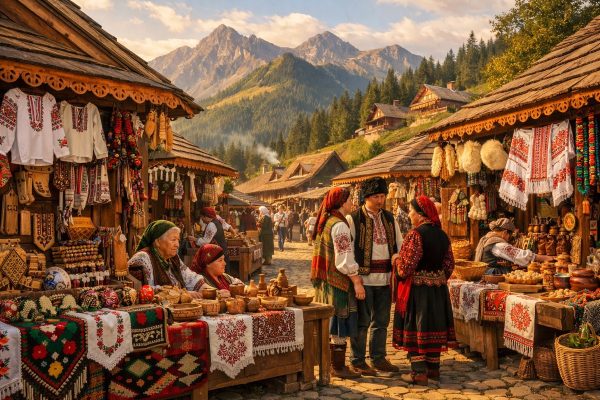
The Carpathians are also the heart of Hutsul culture, one of Ukraine’s most distinctive mountain traditions. Hutsuls are known for their music, woodcarving, embroidery, horse culture, and colorful clothing. In places like Verkhovyna, Kosiv, and surrounding villages, you can visit small museums, craft workshops, and local markets to see how these traditions are still part of everyday life. This cultural layer is one of the reasons the region feels so different from a standard mountain resort.
Food is another highlight. Try banosh made with cornmeal and bryndza cheese, banush with mushrooms or cracklings, homemade soups, and mountain cheeses sold by local producers. In guesthouses, meals are often prepared from local ingredients and served in generous portions. If you buy dairy products, honey, or herbal teas from roadside sellers, ask about freshness and storage, especially in warm weather.
For a smoother trip, pack layers, waterproof shoes, a power bank, and a small first-aid kit. In winter, add traction devices if you plan to walk on icy paths. In summer, bring sun protection because ridge exposure can be stronger than expected. If you are crossing between multiple towns or planning outdoor activities, keep your documents, route details, and emergency contacts organized. A backup plan matters in the mountains, and a service like This site can help travelers stay prepared if weather, transport, or health issues disrupt the trip.
Continue reading
All articles
Poltava Travel Guide: History and Halushky
Best Day Trips from Kyiv: Exploring Beyond the Capital

Uzhhorod and Mukachevo: Gateway to Transcarpathia
Ivano-Frankivsk and the Prykarpattia Region: City Life, Carpathian Gateway, and Hutsul Culture
Vinnytsia Travel Guide: The City of Fountains