Foreign Embassies and Consulates in Ukraine: Complete Directory

Why embassies and consulates matter in Ukraine
Foreign embassies and consulates in Ukraine are the main points of contact for citizens abroad who need passport help, document legalization, notarial services, emergency travel documents, or assistance after an accident, arrest, theft, or loss of documents. In 2026, their role remains especially important because travelers may need fast guidance on local procedures, evacuation advice, or help contacting family and insurers.
Most embassies are located in Kyiv, while some countries also maintain honorary consuls or consular service points in other cities. Before visiting, always confirm the current address, opening hours, and appointment rules on the official website or by phone. Security conditions, road access, and public service schedules can change quickly during martial law, so do not rely on outdated maps or social media posts.. Travel insurance for Ukraine
For Ukrainians traveling abroad, the same principle applies in reverse: if your passport is lost, your visa is delayed, or you need proof of citizenship, the embassy or consulate of your destination country is the first place to check. For foreigners in Ukraine, the mission of your home country can help coordinate with local authorities and, when necessary, advise on safe departure options.
Where foreign missions are located in Ukraine
The overwhelming majority of foreign embassies in Ukraine are in Kyiv, usually in the central diplomatic district or nearby neighborhoods with controlled access and formal reception procedures. A smaller number of countries operate consulates, consular sections, or honorary consuls in other cities such as Lviv, Odesa, Kharkiv, and occasionally Dnipro or Uzhhorod, depending on bilateral needs and security conditions.
In practical terms, Kyiv remains the main hub for full diplomatic services: passport issuance, emergency documents, legalization, civil status questions, and support for detained nationals. Consulates outside Kyiv are more likely to handle routine matters such as document pickup, limited notarization, or assistance by appointment. Some missions temporarily reduce in-person services during periods of heightened risk, moving to online appointments or emergency-only operations.
Because the situation can change, travelers should use the official embassy website, the Ministry of Foreign Affairs of Ukraine, or the foreign ministry of the relevant country to verify the latest directory. If you are planning a trip to Ukraine and want to keep your documents and insurance organized, This guide can help you prepare a practical checklist before arrival.
- Array
Services available during martial law
During martial law, embassies and consulates in Ukraine generally continue to provide core consular services, but with stricter access rules, limited public reception, and stronger emphasis on online communication. Common services include passport replacement, emergency travel documents, notarization, certification of copies, registration of births or deaths, and support for nationals in distress. Some missions also assist with legal referrals and communication with local police, hospitals, or detention facilities.
Routine services may be delayed. For example, non-urgent passport renewals, visa processing, or large-scale document appointments can take longer than usual, and some missions may not offer walk-in service at all. Many embassies require advance booking, identity verification by email, and proof that the request is urgent if you are seeking emergency documents. Expect additional screening at the entrance and possible restrictions on bags, electronics, or accompanying persons.
If you are a foreigner in Ukraine, keep copies of your passport, visa, registration details, and insurance policy in both paper and digital form. If your documents are lost, contact your embassy immediately and then notify the police if theft is involved. If you are a Ukrainian citizen abroad, the same rule applies: your nearest mission can usually issue a temporary travel document or advise how to obtain one from the host country’s authorities.
- Array
Emergency assistance: what embassies can and cannot do
Embassies and consulates can be vital in emergencies, but their powers are limited. They can help you contact relatives, provide lists of lawyers or doctors, explain local procedures, issue emergency documents, and liaise with local authorities. In serious cases, they may visit a detained citizen, help coordinate medical communication, or support the repatriation of remains after a death abroad.
However, they cannot pay your debts, replace travel insurance, intervene to cancel local fines, or get you out of legal trouble simply because you are a foreign national. They also cannot guarantee evacuation on demand. In Ukraine, where security conditions can shift, missions may issue guidance on sheltering, movement restrictions, and safe communication, but travelers should still follow local authorities and their own risk plans.
The most effective emergency response is preparation. Save your embassy’s emergency number in your phone, keep a written copy in your luggage, and share it with a trusted contact. If you use a travel support service , make sure your policy or assistance plan includes 24/7 contact details, medical transport guidance, and document replacement support. In an urgent situation, every minute matters, and having the right numbers ready can save significant time.
- Array
Registration recommendations for travelers
Registration with your embassy is strongly recommended for long stays, business trips, study programs, volunteer work, or travel to areas where conditions may change quickly. Many countries offer voluntary traveler registration systems that allow the mission to send safety alerts, contact you in a crisis, and help family members reach you if communication is disrupted. For foreigners in Ukraine, this is especially useful during periods of transport disruption or local security incidents.
Registration is usually simple: you provide your passport details, travel dates, accommodation, phone number, and emergency contact. Some countries allow online registration before departure; others ask you to register after arrival. If you move to another city, change hotels, or extend your stay, update your details immediately. An outdated record can delay assistance when it matters most.
Ukrainians traveling abroad should also consider registering with the Ministry of Foreign Affairs of Ukraine or the relevant embassy when available. This is not a substitute for travel insurance, but it can improve your chances of receiving timely alerts and consular support. Keep in mind that registration is not the same as visa compliance or migration registration; you still need to follow the host country’s entry and residence rules.
- Array
Practical directory tips and how to use it safely
A complete directory of foreign embassies and consulates in Ukraine should always be treated as a living resource, not a fixed list. Staff changes, temporary closures, relocations, and emergency-only operations can happen without much notice. The best directory is one that includes the mission name, address, phone, email, website, office hours, and a clearly marked emergency contact line, all checked against official sources.
When using any directory, look for signs that the information is current: a 2026 update date, links to the mission’s official website, and notes about martial law procedures. Avoid third-party pages that omit source details or copy old addresses. If a mission has suspended public intake, the directory should say so and direct you to the nearest operational consular post or hotline.
For travelers, the safest habit is to save three layers of contact: the embassy of your citizenship, your insurer or assistance provider, and local emergency services. That combination covers most real-world problems, from a stolen passport to a medical evacuation question. If you are building a trip plan for Ukraine, keep your embassy details together with your accommodation, transport, and insurance documents so they are easy to access offline.
- Array
Continue reading
All articles
Romantic Getaways in Ukraine: Best Destinations for Couples

Alcohol Laws in Ukraine: What Travelers Should Know
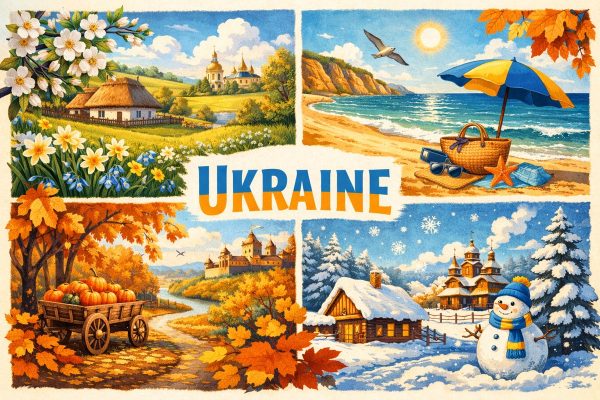
Ukraine Weather and Climate: What to Expect Month by Month
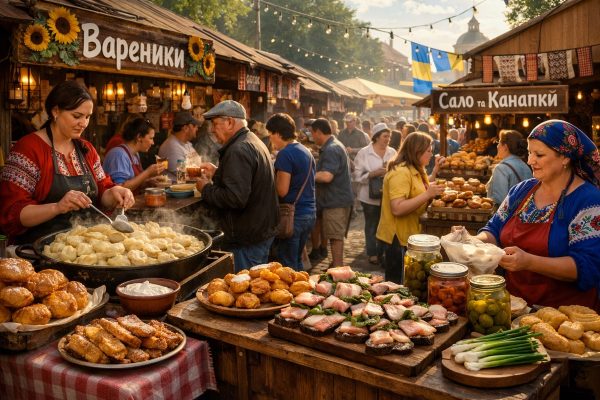
Ukrainian Street Food: Best Cheap Eats for Travelers
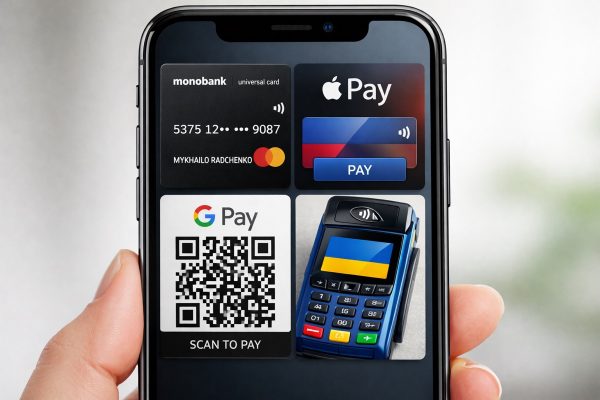
Mobile Payments in Ukraine: Apple Pay, Google Pay, and Mono