Ukraine Weather and Climate: What to Expect Month by Month

Ukraine’s climate at a glance
Ukraine has a temperate continental climate, which means four distinct seasons, noticeable temperature swings, and weather that can change quickly from one region to another. Winters are generally cold, summers are warm to hot, and spring and autumn are transition seasons with variable conditions. Because the country is large, the weather in Kyiv, Lviv, Odesa, and the Carpathian Mountains can feel very different on the same day.
In general, eastern and inland areas are more continental, with hotter summers and colder winters. The south along the Black Sea tends to be milder in winter and warmer in summer, while western Ukraine often gets more rainfall and slightly cooler temperatures. The Carpathians are the exception: higher elevations bring colder conditions, more snow, and a much shorter warm season. If you are planning a trip, checking the forecast for the exact city or mountain area is essential, especially in shoulder seasons.. Ukraine travel insurance
Month-by-month weather: what to expect
January and February are usually the coldest months. Average daytime temperatures in many cities range from about -5°C to 2°C, though colder snaps can push temperatures well below freezing, especially inland and in the north. Snow is common, but not guaranteed everywhere; some winters are dry, while others bring icy streets and slushy conditions. In the Carpathians, snow cover is more reliable, making this the best period for winter sports.
March is still chilly and often unpredictable. You may get a taste of spring, but late snow, rain, and freezing nights are still possible. April usually brings milder days, with temperatures often climbing into the 10°C to 18°C range, yet sudden cold fronts remain common. May is one of the most pleasant months for travel: parks are green, flowers are in bloom, and daytime temperatures are often comfortable for walking and sightseeing.
June, July, and August are the warmest months. In central and southern Ukraine, daytime highs commonly reach 24°C to 30°C, and heat waves can push them higher, especially in cities. July is often the hottest month. Rainfall during summer usually comes in short, heavy showers or thunderstorms rather than all-day rain. September is a favorite month for many travelers because the weather stays warm, crowds thin out, and evenings become cooler. October is crisp and colorful, with more frequent rain and falling temperatures. November feels distinctly late-autumn: gray, damp, and colder, with the first snow possible in some areas by the end of the month.
Regional differences: west, center, south, and mountains
Western Ukraine, including Lviv and nearby regions, tends to be a bit cooler and wetter than the rest of the country. Rain is more frequent, especially in spring and summer, so a compact umbrella or light rain jacket is useful almost year-round. The weather can also shift quickly in the foothills and near the Carpathians, where cloud cover and showers are common.
Central Ukraine, including Kyiv, has a classic continental pattern: cold winters, warm summers, and clear seasonal changes. Spring and autumn can feel especially changeable, with sunny afternoons followed by chilly evenings. In summer, urban heat can be intense because large cities retain warmth, so breathable clothing matters more than you might expect.
Southern Ukraine, including Odesa and other Black Sea destinations, is typically milder in winter and sunnier in warm months. Sea breezes can make summer heat more bearable, but humidity can rise near the coast. The Carpathian Mountains are the most weather-sensitive region of all: temperatures drop with altitude, rain and fog are common in warmer months, and snow can arrive early. If you plan hiking, remember that conditions at the trailhead may be very different from those on the ridge.
Rainfall, storms, and the best time to travel
Rainfall in Ukraine is moderate overall, but it is not evenly distributed. Western regions usually receive more precipitation than the south and southeast. Late spring and summer often bring thunderstorms, especially in June and July. These storms can be intense but short-lived, so it is wise to plan indoor alternatives and avoid relying on a perfectly dry forecast for outdoor activities.
The best time to visit depends on your priorities. For city breaks and comfortable walking weather, late May, June, and September are often ideal. For beach trips to the Black Sea coast, July and August offer the warmest water and sunniest conditions, though they are also the busiest and hottest months. For skiing, snowshoeing, and winter landscapes, January and February are the most reliable, particularly in the mountains. For lower prices and fewer crowds, April and November can work well if you are prepared for variable weather.
If you are traveling between regions, do not assume one forecast covers the whole country. A sunny day in Odesa may coincide with rain in Lviv or snow in the Carpathians. For travelers who want to stay informed and prepared, This guide can help you think through practical travel risks alongside the weather.
What to pack by season
In winter, pack a real cold-weather wardrobe rather than relying on a light coat. Bring a warm insulated jacket, hat, gloves, scarf, waterproof boots with grip, and layered clothing you can adjust indoors and outdoors. Thermal base layers are useful if you will spend time outside for sightseeing, markets, or train transfers. In cities, sidewalks can be icy, so footwear matters as much as warmth.
For spring and autumn, layering is the key. A medium-weight jacket, sweaters, long-sleeve shirts, comfortable closed shoes, and a compact umbrella will cover most situations. A waterproof outer layer is especially helpful in western Ukraine and the mountains. Because mornings and evenings can be much cooler than afternoons, packing items you can add or remove throughout the day will make travel more comfortable.
In summer, choose breathable clothes such as cotton or linen, comfortable walking shoes, sunglasses, sunscreen, and a hat. If you plan to visit churches or formal sites, include modest clothing that covers shoulders and knees. A light rain jacket is still useful because summer storms can appear quickly. For the coast, bring swimwear and a light layer for breezy evenings; for mountain trips, add a fleece, rain shell, and sturdy hiking shoes even in July or August.
Practical travel tips for changing weather
Weather in Ukraine can affect transport, walking conditions, and daily plans, especially in winter and during heavy rain. In colder months, allow extra time for taxis, trains, and airport transfers because snow, ice, and traffic can slow movement. If you are driving, winter tires and cautious driving are essential, and in mountain areas road conditions can change quickly after snowfall or fog.
During summer heat waves, stay hydrated, plan outdoor sightseeing for morning or evening, and use shade breaks in city parks or cafés. In winter, check whether your accommodation has reliable heating, and in shoulder seasons ask about hot water and insulation if you are staying in older buildings. If your itinerary includes hiking, beach time, and city touring in one trip, pack for all three weather types rather than assuming one season will dominate.
A final tip: always check the forecast 24 to 48 hours before travel, and again on the morning of departure. Ukraine’s weather is manageable when you are prepared, but it rewards flexible planning. Knowing the season, region, and likely conditions will help you pack better, move safely, and enjoy the trip more.
Continue reading
All articles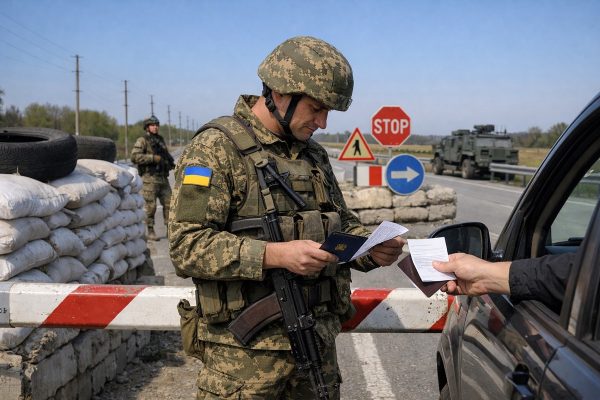
Restricted and Front-Line Areas in Ukraine: Where Not to Travel

Spring Travel in Ukraine: Cherry Blossoms and Cultural Awakening
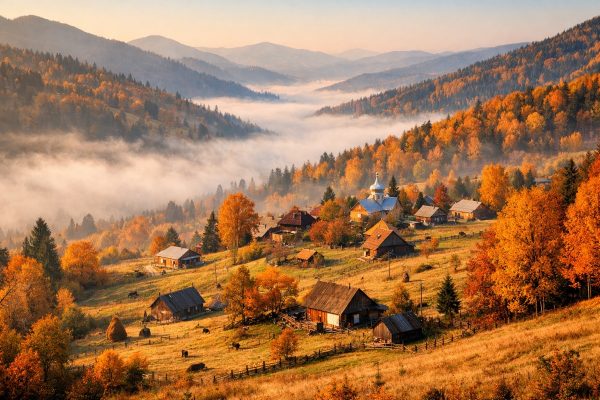
Autumn in Ukraine: Golden Landscapes and Harvest Season

Romantic Getaways in Ukraine: Best Destinations for Couples

Alcohol Laws in Ukraine: What Travelers Should Know