Accessible Travel in Ukraine: A Guide for Travelers with Disabilities
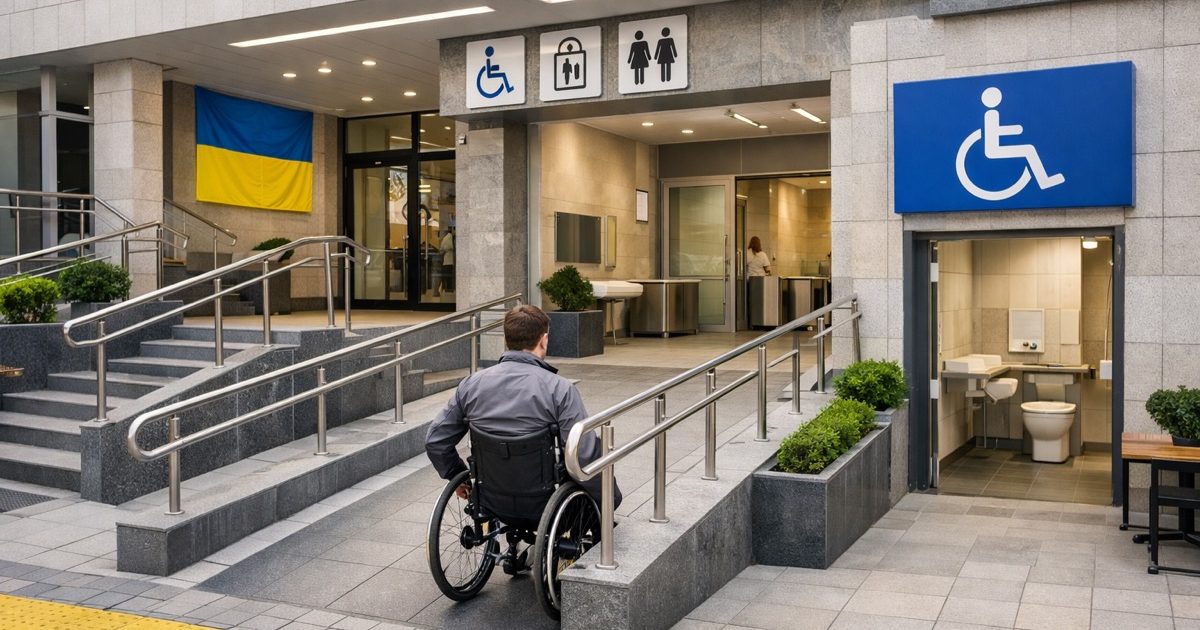
What accessible travel in Ukraine looks like in 2026
Accessible travel in Ukraine is possible, but it requires more planning than in many Western European destinations. In 2026, the situation is still uneven: major cities such as Kyiv, Lviv, Dnipro, Odesa, and some regional centers have improved sidewalks, curb ramps, tactile paving, and barrier-free entrances in selected public buildings, while many older districts, smaller towns, and rural areas remain difficult for wheelchair users and travelers with limited mobility.
The reality is that accessibility often depends on the exact address, not the city name. A hotel may have a ramp but no accessible bathroom; a museum may have an elevator but a steep entrance; a station may be partially adapted, while the surrounding street is not. Travelers who need step-free access should verify each location individually and avoid assuming that “accessible” in a listing means fully usable in practice.. Rules of Entry to Ukraine
For many visitors, the best strategy is to focus on newer buildings, international hotel chains, modern shopping centers, and recently renovated public spaces. These usually offer the most reliable access. If you are planning a longer stay, consider booking accommodation near central areas with flatter sidewalks and better public transport connections, because getting around the city can be as important as the accessibility of the destination itself.
Wheelchair accessibility on the ground
Street-level accessibility in Ukraine varies widely. In central parts of larger cities, you may find lowered curbs, smoother pavement, and some pedestrian crossings with audio signals or tactile elements. However, broken sidewalks, parked cars on ramps, uneven paving stones, high curbs, and winter snow or ice can quickly make movement difficult. Even in relatively modern districts, one inaccessible intersection can block a route entirely.
Public toilets are another important factor. Accessible toilets exist in some malls, train stations, airports, and newer restaurants, but they are not guaranteed in smaller venues. If you rely on accessible facilities, it is wise to map them in advance and build your route around confirmed stops. Google Maps reviews, recent photos, and direct calls to venues are often more useful than official descriptions.
When choosing attractions, prioritize places that publish clear accessibility details or have recent visitor reviews from wheelchair users. Museums, theaters, and government buildings sometimes have ramps or lifts installed, but staff availability can also matter. In practice, an accessible entrance is only useful if someone can unlock a side door, operate a lift, or help navigate a narrow threshold. Travelers with disabilities should plan extra time for every transfer and appointment, especially in older city centers where architectural barriers are common.
Transport options: trains, buses, taxis, and airports
Ukraine’s long-distance rail system is often the most practical option for travelers with mobility needs, especially between major cities. Ukrainian Railways has improved some stations and carriages, and certain routes include accessible coaches or assistance services. Still, availability is limited, and boarding assistance may need to be arranged in advance. It is essential to contact the railway operator before travel, confirm the exact train number, and ask whether the departure station has step-free boarding or staff support.
Intercity buses are usually less reliable for wheelchair users because many coaches have high steps, limited luggage access, and no onboard accessible toilets. Some newer operators offer better vehicles, but accessible bus travel should be considered case by case rather than assumed. If a bus is the only option, ask about the height of the first step, space for a folded wheelchair, and whether the driver can provide assistance. For travelers who use a power wheelchair, it is especially important to confirm dimensions and lifting requirements before buying a ticket.
Taxis and ride-hailing services are often the most flexible choice for short distances. Standard cars are not wheelchair accessible, but they can work if you travel with a folding chair and a companion. In larger cities, some specialized adapted taxi services may be available, though they are not widespread. Airports in major cities usually have the best accessibility infrastructure in the country, including elevators, accessible toilets, and assistance desks. Even so, you should notify the airline in advance if you need help with boarding, baggage, or a wheelchair transfer, because last-minute requests are harder to accommodate.
Where to stay: hotels and apartments that work better
Accommodation is one of the most important parts of planning an accessible trip. In Ukraine, the safest approach is to choose newer hotels, international brands, or properties that explicitly describe step-free access, elevator access to all floors, and adapted bathrooms. A building can be “accessible” in general terms while still having a narrow bathroom door, a shower over a high tub, or a lobby entrance with several steps. Always ask for photos or measurements if the details matter to your mobility.
Look for these features when booking: an elevator large enough for your mobility device, entrance without steps or with a permanent ramp, accessible parking if you are arriving by car, wide room doors, a bathroom with grab bars, and a roll-in shower or low-threshold shower. If you need room to turn a wheelchair, ask for the exact room size and bathroom layout. In many cases, it is better to book directly with the hotel rather than through a third-party site, because staff can confirm whether the room truly matches your needs.
Apartments can be a good option for longer stays, but they are riskier from an accessibility standpoint because many residential buildings have stairs at the entrance or small elevators. If you choose short-term rental accommodation, ask about floor level, elevator reliability, entrance width, and nearby pavement conditions. We recommend keeping a written checklist and confirming every essential detail before arrival, especially if your trip involves multiple cities or a late-night check-in.
How to plan realistically and avoid common problems
The biggest mistake travelers with disabilities make in Ukraine is assuming that accessibility standards are uniform. They are not. A city can have a modern metro station and still have inaccessible sidewalks nearby. A hotel can advertise a ramp, but the ramp may be too steep for independent use. A restaurant can have a barrier-free entrance but no accessible toilet. Planning with backups is not optional; it is part of traveling comfortably.
Before you go, build a route with three layers: the main plan, an alternative route, and a fallback option if a venue is inaccessible. Save phone numbers for your hotel, transport providers, and one local contact who can help in Ukrainian or English. If you have a medical condition, carry a translated summary of your needs, medication list, and emergency contacts. This is especially useful if you need assistance at a station, airport, clinic, or border crossing.
Timing also matters. Allow extra time for boarding, transfers, and entering buildings, because access points may be slower than expected or require staff intervention. In winter, snow, ice, and slush can significantly reduce mobility, even in cities with decent infrastructure. If your trip is time-sensitive, schedule fewer daily activities and stay in one area rather than moving around constantly. For travelers who want a clearer picture of risks and coverage before departure, This guide can help you compare practical travel protection options and prepare for unexpected disruptions.
Useful checklist before traveling to Ukraine
A good accessible trip starts with direct verification. Contact each hotel, station, museum, or restaurant and ask specific questions: Is there a step-free entrance? Is the elevator working daily? What is the width of the bathroom door? Is there a ramp, and if so, is it permanent or portable? Can staff assist with luggage or boarding? The more precise your questions, the more useful the answers will be.
Carry essential items that make travel easier: a portable ramp only if you already use one and can transport it safely, spare wheelchair parts if relevant, charging equipment for power chairs, a power bank, and printed copies of reservations. Keep digital backups of all documents and store them offline in case of poor connectivity. If you use medication, pack extra supplies in separate bags so one lost item does not disrupt the trip.
Finally, set expectations realistically. Ukraine in 2026 is improving, but it is still a country where accessibility is patchy rather than universal. That does not mean travel is impossible; it means success depends on preparation, flexibility, and choosing the right places. With careful planning, many travelers with disabilities can enjoy Ukraine’s cities, culture, and hospitality while minimizing avoidable obstacles.
Continue reading
All articles
Spring Travel in Ukraine: Cherry Blossoms and Cultural Awakening

Autumn in Ukraine: Golden Landscapes and Harvest Season

Romantic Getaways in Ukraine: Best Destinations for Couples

Alcohol Laws in Ukraine: What Travelers Should Know

Foreign Embassies and Consulates in Ukraine: Complete Directory