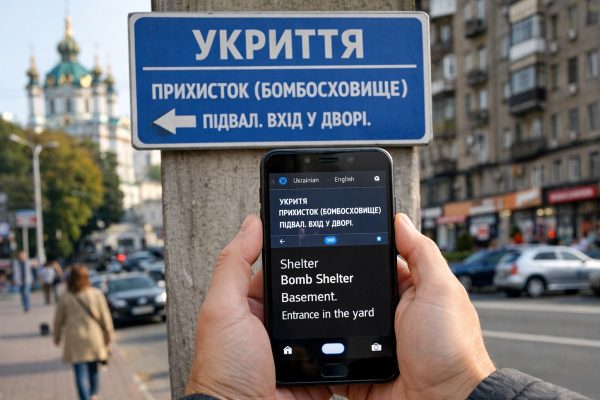
Staying Healthy During Ukraine’s Cold Season: Flu, COVID, and Prevention

Why Ukraine’s cold season deserves extra planning
Ukraine’s cold season usually runs from late autumn through early spring, and it can be challenging for travelers because of low temperatures, wind, snow, slush, and long periods spent indoors. These conditions make respiratory infections more likely to spread, especially in crowded transport, hotels, offices, and clinics. Flu, COVID-19, RSV, and common colds can all circulate at the same time, so it is worth planning ahead before you arrive.
For travelers, the main risks are not only getting sick, but also dealing with limited energy, missed transport connections, and the need to find medical help in an unfamiliar system. If you are visiting family, working remotely, or exploring cities like Kyiv, Lviv, Odesa, or Dnipro, prepare as if you may need quick access to a doctor, a pharmacy, and a reliable insurance contact. That preparation matters even more if you are traveling with children, older relatives, or anyone with asthma, diabetes, heart disease, or reduced immunity.. Rules of Entry to Ukraine
Vaccinations and prevention before you travel
The best protection starts before departure. In 2026, travelers should check that routine vaccines are up to date, including measles, tetanus, diphtheria, and pertussis. For cold-season travel, seasonal flu vaccination is strongly recommended, especially if you will be in crowded cities, using public transport, or staying for several weeks. COVID-19 booster recommendations depend on your age, health status, and the latest public-health guidance in your home country, but it is wise to travel with current protection rather than relying on treatment after exposure.
If you have chronic conditions, ask your doctor whether you should carry extra medication, a rescue inhaler, or a written treatment plan. It is also smart to pack a thermometer, rapid antigen COVID tests if available in your country, hand sanitizer, and a small supply of masks for crowded indoor settings or clinic visits. In Ukraine, pharmacies usually sell masks and basic cold remedies, but preventive items are easier to manage if you bring them with you. Simple habits still matter: wash hands often, avoid touching your face, ventilate rooms when possible, and reduce close contact if you start feeling unwell.
What to do if you get flu or COVID symptoms in Ukraine
If you develop fever, cough, sore throat, body aches, shortness of breath, or sudden fatigue, treat it seriously and rest immediately. Many travelers try to “push through” cold-season illness, but that often makes recovery slower and increases the chance of spreading infection to others. Isolate as much as possible, wear a mask around other people, and avoid long trips by bus or train until you know whether symptoms are improving.
For mild symptoms, start with self-care: fluids, rest, and over-the-counter medicines for fever or pain if they are safe for you. If you have a high fever that lasts more than a couple of days, trouble breathing, chest pain, confusion, dehydration, or worsening symptoms, seek medical care without delay. Older adults, pregnant travelers, and people with underlying conditions should contact a doctor earlier rather than later. If you need testing, ask a local clinic or pharmacy about available COVID tests, and remember that flu and COVID can look similar, so a test may help guide next steps.
Pharmacies, hospitals, and how to get care
Pharmacies are one of the easiest parts of Ukraine’s health system to use. In cities and larger towns, pharmacies are common and often well stocked with fever reducers, cough remedies, saline sprays, lozenges, vitamins, and basic first-aid items. Many pharmacists can suggest over-the-counter options for mild symptoms, but they are not a substitute for a doctor if you have serious illness or chronic conditions. It helps to know the active ingredient you need, not only the brand name, because product names may differ from what you use at home.
For hospital or clinic visits, be ready to show your passport and insurance details. Private clinics are often faster and more convenient for travelers, while public facilities may be more appropriate for emergencies or if you need specialist care. In a true emergency, call local emergency services immediately and go to the nearest hospital. If possible, have a Ukrainian-speaking friend, hotel staff member, or interpreter assist you, because medical paperwork and communication can be difficult if you do not speak the language. Keep your address, hotel name, and insurance phone number saved in your phone and written on paper as backup.
Health insurance: what to check before and during the trip
Health insurance is essential for cold-season travel because even a simple respiratory illness can become expensive if you need testing, a doctor’s consultation, or hospital treatment. Before traveling, confirm that your policy covers outpatient visits, emergency care, hospitalization, ambulance transport, COVID-related treatment, and possible trip interruption or quarantine costs. Also check whether your insurer requires you to call a 24/7 assistance line before going to a clinic, because many policies only reimburse care if you follow that procedure.
If you are traveling to Ukraine, choose a policy that clearly covers your planned activities and the full length of your stay. This site can help travelers compare insurance options and understand what is included before departure. Save digital and printed copies of your policy, emergency numbers, and claim instructions. If you receive care, keep every receipt, prescription, test result, and discharge note. These documents are often necessary for reimbursement. If you are buying medicine yourself, keep the packaging and a photo of the label in case your insurer asks what you purchased.
Practical cold-season habits that reduce risk
The simplest prevention steps are often the most effective. Dress in layers, keep your feet dry, and avoid staying in wet clothes after snow or rain. Try to sleep enough, eat regularly, and limit alcohol if you are already feeling run down, since fatigue can weaken your resistance to infection. Indoor air can be dry in winter, so drinking water and using saline nasal spray may help you feel more comfortable, especially on long train rides or in heated apartments.
Plan for flexibility in your itinerary. Leave room for a slower morning, a pharmacy stop, or an extra day of rest if you get sick. If you are traveling with children, pack child-appropriate fever medicine, tissues, and a thermometer, and know the nearest clinic before you need it. For foreigners in Ukraine, it is also useful to learn a few key phrases such as “I have a fever,” “I need a doctor,” and “Where is the nearest pharmacy?” Good preparation will not prevent every illness, but it will make the cold season much easier to manage.
Continue reading
All articles
Tap Water in Ukraine: Is It Safe to Drink?
Pharmacies in Ukraine: Buying Medicine as a Foreigner
Health and Medical Care for Travelers in Ukraine

Spring Travel in Ukraine: Cherry Blossoms and Cultural Awakening
Autumn in Ukraine: Golden Landscapes and Harvest Season