Health and Medical Care for Travelers in Ukraine
Health Care Basics in Ukraine
Ukraine has a mixed health care system with both public and private providers. In large cities such as Kyiv, Lviv, Odesa, Dnipro, and Kharkiv, travelers can usually find private clinics with English-speaking staff, modern equipment, and faster service than public hospitals. In smaller towns and rural areas, medical options may be limited, and English is less common, so it is wise to know where the nearest major hospital is before you travel.
If you need routine care, a private clinic is often the easiest choice for foreigners because appointment booking, diagnostics, and payment are straightforward. Public hospitals can handle emergencies and serious conditions, but waiting times, administrative procedures, and language barriers may be more challenging. Keep your passport or ID with you, along with insurance details and any prescription list, especially if you have chronic conditions.. Ukraine travel insurance
For non-urgent issues, many travelers use private family doctors, urgent care centers, or specialty clinics. We recommend saving the contact details of one nearby private clinic and one hospital in the area where you are staying, so you are not searching during an emergency.
Emergency Numbers and What to Do in an Emergency
Ukraine uses standard emergency numbers that travelers should memorize or store in their phone. Call 103 for an ambulance, 101 for fire and rescue, and 102 for police. In many areas, operators may not speak English fluently, so if possible ask a local, hotel receptionist, or your host to help with the call. If you cannot make the call yourself, send your exact location and a short description of the problem to someone nearby who can call for you.
For medical emergencies, clearly state the patient’s age, symptoms, consciousness level, breathing status, and exact address or GPS location. If there is bleeding, severe pain, chest pain, stroke symptoms, difficulty breathing, or loss of consciousness, call 103 immediately. Do not try to drive a seriously ill or injured person yourself unless ambulances are unavailable and the situation is critical.
In major cities, private clinics may also have their own urgent care or on-call doctors, but they are not a substitute for emergency ambulance services. If you are staying in a hotel or apartment, ask in advance which hospital receives emergencies in that district and how to reach it quickly at night.
Hospitals, Clinics, and Pharmacies
Pharmacies are easy to find in Ukraine, especially in urban areas, and many operate long hours or even 24/7. Look for signs reading “Аптека” or pharmacy chain names. Pharmacists can often suggest over-the-counter remedies for common issues such as colds, stomach upset, allergies, minor pain, or motion sickness. However, do not assume every medicine is available without a prescription, and do not self-medicate with antibiotics, which should be used only under medical supervision.
Private clinics are usually the best option for travelers needing English-language service, lab tests, imaging, or a same-day doctor visit. They typically accept card payments, but it is still smart to carry some cash in case of technical problems. Public hospitals are more likely to be used for serious trauma, surgery, or complex inpatient care. If you are admitted to a public facility, bring personal hygiene items, chargers, water, and any medications you already use, because supplies may not always be provided promptly.
Before traveling, identify pharmacies near your accommodation and learn the generic names of your regular medicines, not just the brand names. This is especially important if you take blood pressure medication, insulin, asthma inhalers, thyroid medicine, or allergy treatment. If you need a controlled medicine or a drug that is prescription-only in Ukraine, bring a doctor’s note and the original packaging to avoid confusion at the pharmacy.
Health Insurance Requirements and What Coverage Should Include
For most foreign visitors, valid travel medical insurance is strongly recommended and may be required for entry depending on nationality, visa type, or border rules in force in 2026. Insurance should ideally cover emergency medical treatment, hospitalization, ambulance transport, outpatient visits, diagnostics, and medical evacuation if needed. Check the policy wording carefully, because some low-cost plans exclude war-related risks, adventure activities, alcohol-related incidents, or pre-existing conditions.
If you are a Ukrainian traveling abroad, make sure your policy is valid for the destination country and includes the minimum coverage required by that country’s visa or entry rules. If you are a foreigner traveling to Ukraine, confirm that your insurer will actually pay providers directly or reimburse you quickly after treatment. Keep both digital and printed copies of the policy, claim instructions, and emergency assistance phone number.
It is also important to know how your insurer wants you to act in an emergency. Many insurers require you to call their assistance line before going to a clinic unless the situation is life-threatening. If you need help choosing suitable coverage, This guide can help you understand what to look for in a policy and how to prepare the documents you may need at the border or in a clinic.
Vaccinations and Common Health Precautions
There are no special vaccination requirements for most travelers entering Ukraine, but routine vaccinations should be up to date. These usually include measles, mumps, rubella, diphtheria, tetanus, pertussis, polio, influenza, COVID-19, and hepatitis A and B depending on your risk profile and travel plans. If you will be staying long-term, working in health care, spending time in rural areas, or traveling with children, discuss additional vaccines with a doctor before departure.
Common health precautions matter just as much as vaccines. Drink bottled or properly filtered water if you are unsure about local tap water quality, especially in older buildings or during service disruptions. Wash hands often, carry sanitizer, and avoid food from places that do not look clean or that have poor refrigeration. In summer, protect yourself from heat and dehydration; in winter, dress for cold weather and icy sidewalks, which can cause falls and injuries.
If you have allergies, asthma, diabetes, heart disease, or another chronic condition, bring enough medication for your entire trip plus a reserve supply in case of delays. Carry a written list of your medicines, dosages, allergies, and emergency contacts. A simple translation of your medical history into Ukrainian or English can save valuable time if you need treatment.
Practical Tips for Staying Healthy While Traveling
Pack a small health kit with pain relievers, oral rehydration salts, antiseptic wipes, plasters, a thermometer, any personal prescriptions, and copies of your insurance documents. Keep medications in their original packaging and store them in your hand luggage, not checked baggage. If you use contact lenses, bring cleaning solution and a backup pair of glasses, since replacing them abroad can take time.
Plan ahead for accessibility and mobility if you have injuries or limited movement. Some buildings in Ukraine have stairs, older elevators, or uneven sidewalks, so choose accommodation that fits your needs. If you are traveling during periods of disruption, allow extra time for reaching clinics and pharmacies, and keep your phone charged with offline maps and saved addresses. A portable power bank can be very useful if you need to contact emergency services or your insurer.
Finally, know when to seek help early. Do not wait if symptoms are severe, worsening, or unusual for you. Prompt treatment is usually safer and cheaper than delaying care. A little preparation before the trip can prevent major problems later and make medical care in Ukraine much easier to navigate.
Continue reading
All articles
Staying Healthy During Ukraine’s Cold Season: Flu, COVID, and Prevention

Tap Water in Ukraine: Is It Safe to Drink?
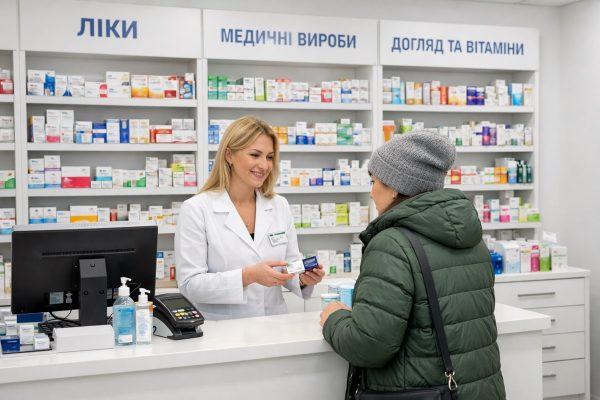
Pharmacies in Ukraine: Buying Medicine as a Foreigner

Spring Travel in Ukraine: Cherry Blossoms and Cultural Awakening
Autumn in Ukraine: Golden Landscapes and Harvest Season