Tap Water in Ukraine: Is It Safe to Drink?
Is Tap Water in Ukraine Safe to Drink?
In Ukraine, tap water is generally not considered reliably safe to drink straight from the faucet without checking local conditions. In many cities, the water is treated and monitored, but aging pipes, intermittent pressure, and local infrastructure issues can affect taste, clarity, and microbiological safety. For travelers, the safest default is to avoid drinking unboiled tap water unless your accommodation specifically confirms that the water is potable and you can verify that it is locally trusted.
The risk is usually less about a single nationwide standard and more about variation from place to place, building to building, and even day to day. In some newer apartments or hotels, the water may be acceptable for brushing teeth and showering, while in older buildings it may have noticeable chlorine, sediment, or metallic taste. If you are staying in a short-term rental, ask the host directly whether the tap water is drinkable, and if there is a filter installed. When in doubt, use bottled water or boil tap water before drinking.. Insurance Ukraine
Water Quality by City: What Travelers Should Expect
Water quality varies across Ukraine, and city reputation does not always match the conditions in a specific neighborhood. In Kyiv, tap water is treated and many residents use it for cooking after boiling or filtering, but the taste can be affected by chlorine and old internal plumbing. In Lviv, the water is often perceived as better than in some other large cities, yet travelers still commonly prefer filtered or bottled water because building systems can differ widely. In Odesa, water quality can be more variable due to infrastructure strain and local supply issues, so bottled water is a common choice among visitors and locals alike.
In Dnipro, Kharkiv, and Zaporizhzhia, travelers should be cautious and assume that tap water is not ideal for direct drinking unless independently confirmed. In smaller towns and rural areas, the situation can be even less predictable because water may come from wells or local systems with uneven treatment. For travelers heading to western mountain areas or villages, the water may look clear but still contain minerals, bacteria, or contaminants from local sources. The practical rule for 2026 remains simple: use tap water for washing and showering, but drink only if you are confident in the source, the building’s system, and local guidance.
Best Ways to Make Water Safer: Filtration, Boiling, and Storage
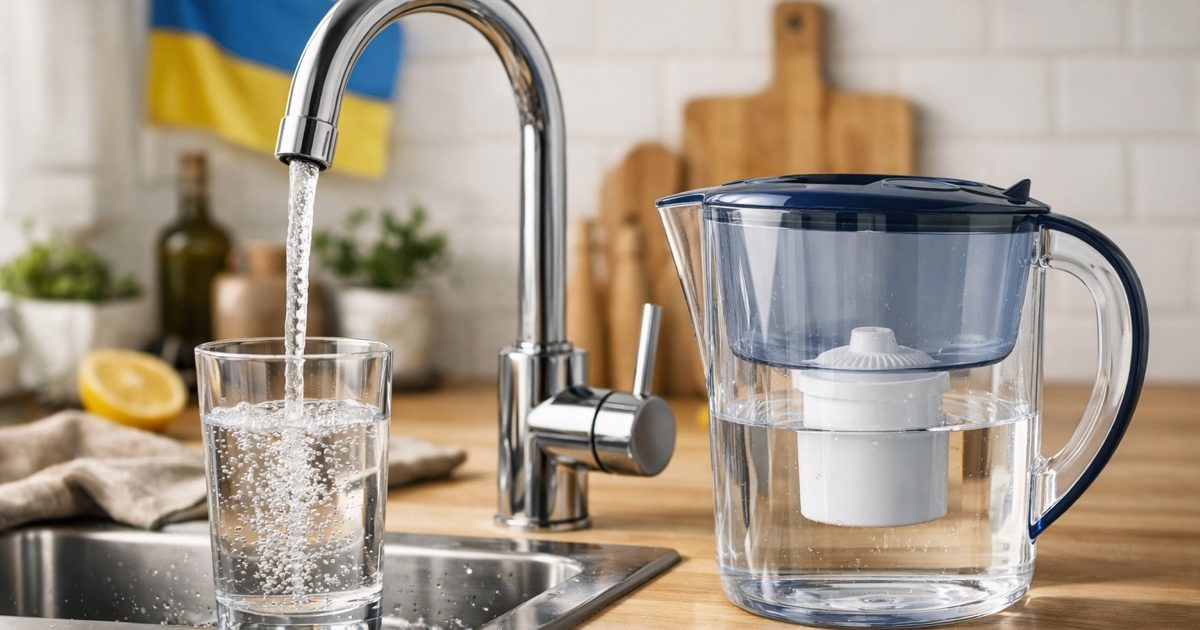
If you plan to stay in Ukraine for more than a few days, a portable filtration strategy is worth considering. A basic carbon filter can improve taste and reduce chlorine, while a more advanced filter bottle or pitcher can help with sediment. However, not all portable filters remove viruses or all bacteria, so choose equipment based on the level of risk and the water source. For city tap water, a quality pitcher filter is often enough for taste and everyday use; for uncertain sources, a purifier designed for microbiological protection is better.
Boiling remains the most dependable low-tech option. Bring tap water to a rolling boil for at least one minute; if you are at high altitude, boil a little longer. Let it cool in a clean, covered container before drinking. Be careful with storage: water can become contaminated again if poured into an unclean bottle or left open. If you buy water in bulk, keep the cap sealed until use and avoid refilling single-use bottles repeatedly, especially in hot weather or during long train trips. We recommend treating water safety as part of your daily travel routine, just like checking transport or accommodation details.
Bottled Water in Ukraine: Brands, Labels, and What to Buy
Bottled water is widely available in supermarkets, kiosks, and convenience stores across Ukraine, and it is the easiest option for travelers who do not want to worry about tap water. When shopping, look for labels such as “still” or “non-carbonated” if you want flat water, because many popular Ukrainian brands also sell sparkling versions. Commonly seen brands include Morshynska, Myrhorodska, Obolon, Truskavetska, Karpaty, and Aqua Life. Availability can vary by region, but these names are generally easy to find in major cities.
Pay attention to the source and type of water on the label. Some bottles are natural mineral water, which can be great for hydration but may taste salty or have a stronger mineral profile than travelers expect. Others are purified drinking water, which is usually more neutral in taste. If you are sensitive to minerals or traveling with children, a mild still drinking water is often the simplest choice. Check the seal before buying, especially from small shops or roadside vendors, and avoid bottles that look damaged, unsealed, or unusually cloudy. In restaurants, it is perfectly normal to order bottled water rather than ask for tap water.
Hydration Tips for Travelers in Ukraine
Hydration matters in Ukraine year-round, but especially in summer, on long intercity trips, and during winter when indoor heating can dry you out. Keep a reusable bottle with you and refill it only from a source you trust, such as sealed bottled water or a filtered supply in your accommodation. On trains and buses, bring enough water for the whole journey because station shops may be crowded, and not every stop offers a reliable option. If you are walking a lot in Kyiv, Lviv, or Odesa, plan water breaks the same way you would plan meals or transit transfers.
For active days, consider electrolyte drinks or oral rehydration sachets, especially if you are sweating heavily, recovering from illness, or traveling with children. Alcohol, coffee, and strong tea are common in Ukraine, but they should not replace water. If you notice headaches, fatigue, dark urine, or dizziness, increase fluids immediately. Travelers with sensitive stomachs should also be careful with ice in drinks, since it may be made from tap water depending on the venue. The safest approach is to ask for bottled water, drink regularly in small amounts, and keep one trusted water source in your accommodation so you are never forced to guess.
Continue reading
All articles
Staying Healthy During Ukraine’s Cold Season: Flu, COVID, and Prevention
Pharmacies in Ukraine: Buying Medicine as a Foreigner

Health and Medical Care for Travelers in Ukraine

Spring Travel in Ukraine: Cherry Blossoms and Cultural Awakening
Autumn in Ukraine: Golden Landscapes and Harvest Season