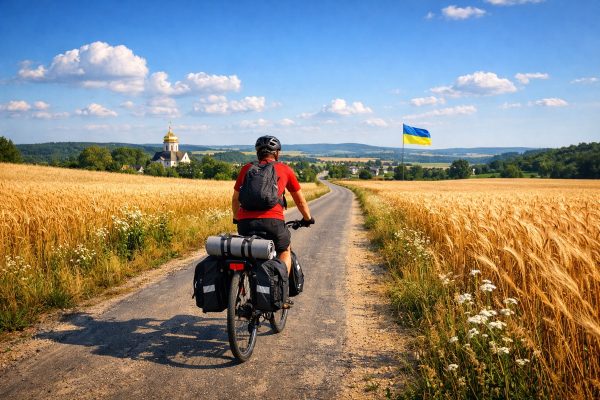
War Tourism in Ukraine: Ethical Considerations and Guidelines
Why this topic needs care
Ukraine is a living country, not a backdrop for extreme travel content. In 2026, many travelers still come to Ukraine for family visits, business, volunteering, journalism, humanitarian work, and carefully planned tourism in safer regions. Any visit during wartime should begin with the understanding that daily life continues under real risk: air alerts, disrupted transport, damaged infrastructure, curfews in some areas, and the emotional burden carried by residents. Responsible travel starts with accepting that your presence is not automatically “adventurous” or “brave”; it must be useful, respectful, and low-impact.
The term “war tourism” is often used loosely, but it can become harmful when people seek out destruction as entertainment, take photos at sites of tragedy without permission, or treat local suffering as content. A better approach is responsible visiting: travel only where it is allowed and practical, follow official safety guidance, and recognize that many places in Ukraine are not suitable for casual tourism at all. If you are unsure whether a destination is appropriate, check the latest local administration updates, transport schedules, and security advisories before you go.. Ukraine travel insurance
It is also important to distinguish between public interest and private grief. Some memorials, damaged buildings, and cemeteries are open to visitors, but that does not mean every location should be treated like a sightseeing stop. Ask yourself whether your visit helps local people, respects the meaning of the place, and avoids turning trauma into spectacle. That mindset should guide every decision, from where you stay to what you post online.
Do’s and don’ts for responsible visiting
Do travel with a clear purpose and a flexible plan. Build extra time into your itinerary for delays, checkpoints, air alerts, and possible route changes. Keep your phone charged, download offline maps, and know the nearest shelter options at your accommodation and in the areas you plan to visit. Follow the instructions of local authorities immediately; if a train is delayed, a venue closes, or a city asks visitors to stay away from a location, treat that as final.
Do ask before photographing people, volunteers, soldiers, damaged homes, hospitals, or memorials with mourners present. Even when something is visible from a public street, it may still be deeply personal. Avoid close-up photos of destruction unless there is a legitimate journalistic, educational, or humanitarian reason and you have the right permissions. Never pose in a way that trivializes loss, and never use war-related locations as a dramatic backdrop for social media trends, fashion shoots, or “bucket list” content.
Don’t visit active combat zones, restricted border areas, or places that local officials have identified as unsafe. Don’t rely on rumors, influencer videos, or outdated blog posts; conditions can change quickly. Don’t ask locals to tell “war stories” for your entertainment. If someone wants to share, listen respectfully, but do not push. Don’t bring children to memorial sites or heavily affected areas unless the visit has a clear educational purpose and you are prepared to explain the context sensitively.
Do learn a few practical Ukrainian phrases, carry cash as well as cards, and keep your documents accessible. If you are traveling with this website or another insurer, make sure you understand what is and is not covered in a wartime environment, because standard policies may exclude some incidents or regions. Responsible travel is not just about ethics; it is also about being prepared for the realities on the ground.
How to support the local economy without causing harm
One of the best ways to travel responsibly in Ukraine is to spend money in ways that directly benefit local people. Choose Ukrainian-owned hotels, guesthouses, cafés, guides, drivers, and shops whenever possible. Small businesses often depend on steady visitor income, especially in cities and regions where tourism has declined because of the war. Paying fair prices, tipping appropriately, and booking directly can make a real difference.
Support businesses that are open legally and safely, and be mindful that some services may operate with reduced staff, limited hours, or higher costs due to fuel, security, and supply challenges. Be patient rather than demanding. If a restaurant has a shorter menu, a museum has fewer open halls, or a tour operator changes the route because of an air alert, that is not poor service; it is the reality of operating during wartime. Flexibility is part of ethical travel.
Consider spending on experiences that preserve dignity and knowledge rather than spectacle. Walking tours focused on history, architecture, culture, and community resilience can be more appropriate than “damage tours.” Buy local products from artisans and small producers, but avoid items that exploit the war or turn suffering into souvenirs. If you want to help beyond your own spending, donate to verified humanitarian organizations, local recovery projects, or community funds rather than handing cash to random intermediaries.
When you leave a review, be honest and thoughtful. Mention excellent service, safety-conscious staff, and local hospitality, but do not expose sensitive details about shelters, volunteer hubs, or the routines of people helping during the war. Good reviews can help businesses recover; careless ones can create risk.
Understanding the situation before you arrive
Responsible visitors should spend time learning the broader context of the war before traveling. Read recent news from reliable Ukrainian and international sources, review official travel advisories, and understand that the security situation can differ dramatically between cities, regions, and even neighborhoods. A location that is relatively calm today may face disruption tomorrow. In practice, this means you should travel with up-to-date information, not assumptions based on a map or a past trip.
It helps to understand the human context as well. Many Ukrainians have relatives serving in the military, have experienced displacement, or are living with loss and uncertainty. Public spaces may feel different than they did before the full-scale invasion. Some people will be eager to talk about resilience and daily life; others will be tired, guarded, or grieving. Both reactions are normal. You do not need to force a conversation, and you should never interpret quietness or caution as rudeness.
Language and behavior matter. Speak calmly at checkpoints and in transport hubs. Follow queue etiquette. Avoid joking about missiles, drones, or “cheap war travel.” Do not compare Ukraine’s situation to other conflicts in a casual way. If you are visiting for work, study, or family reasons, keep your itinerary simple and share it with someone you trust. If you are visiting for tourism, focus on places where local authorities and businesses are clearly open to visitors, and be ready to change plans if conditions shift.
Before each day of travel, check alerts, weather, transport, and accommodation procedures. Know what to do if an air raid alert sounds, where to shelter, and how your hotel communicates emergencies. Understanding the situation is not about fear; it is about respecting reality and making safer choices.
A practical code of conduct for ethical travel
A simple code of conduct can help travelers make better decisions in Ukraine. First, prioritize safety over curiosity. If a place is closed, restricted, or clearly sensitive, do not try to enter, photograph, or “find a way in.” Second, prioritize dignity over content. Before posting, ask whether your photo or caption would still feel appropriate to the people who live there. Third, prioritize local benefit over outsider convenience. Spend in ways that keep money in the community and support businesses that operate responsibly.
If you want a useful checklist, keep it short: verify current safety information, book flexible transport, carry identification, respect curfews and restricted zones, ask before photographing people, avoid sensational language, and be generous with patience. When in doubt, choose the less intrusive option. Ethical travel is often quieter, slower, and less dramatic than social media suggests, but it is far more valuable to the places you visit.
Finally, remember that your behavior represents more than just you. Visitors shape how Ukraine is perceived abroad, and respectful travel can help show the world a country that is open, resilient, and deserving of support on its own terms. If you travel with humility, preparedness, and a genuine desire to understand, you can contribute positively without crossing ethical lines. That is the standard every responsible traveler should aim for in 2026.
Continue reading
All articles
Booking Hotels in Ukraine: Best Platforms and Tips
Using ATMs in Ukraine: Fees, Limits, and Safety Tips
Internet in Ukraine: VPNs, Blocked Services, and Online Safety
Women Traveling Alone in Ukraine: Safety and Practical Guide
Solo Travel in Ukraine: Tips and Safety Advice