Cycling in Ukraine: Routes, Rentals, and Road Safety
Why cycle in Ukraine in 2026
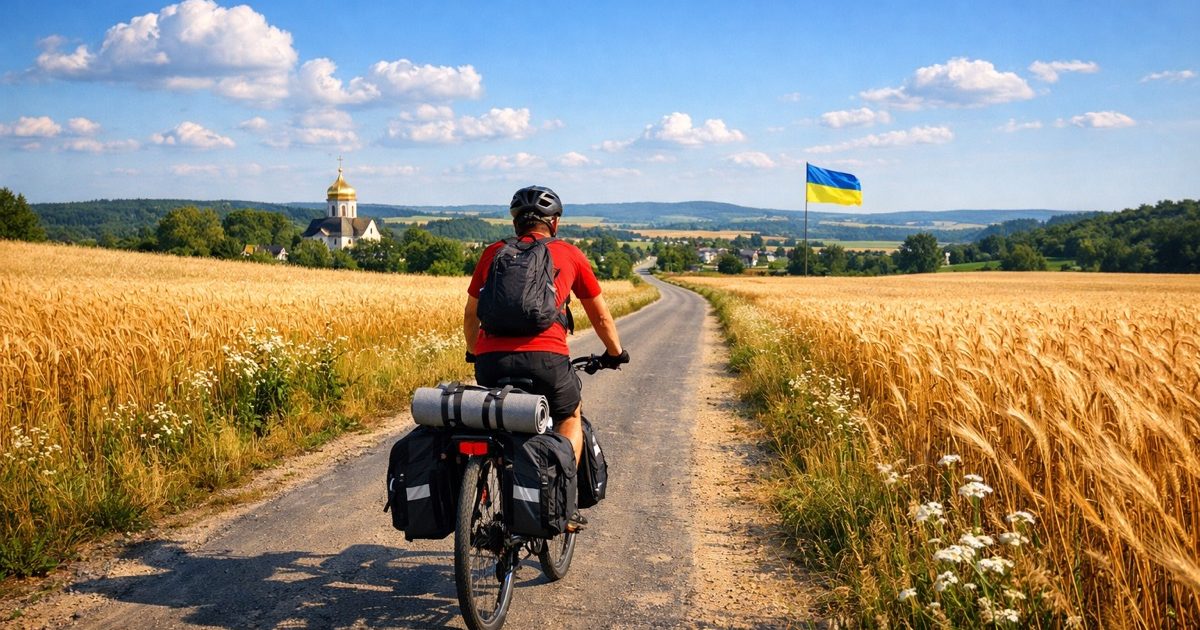
Cycling is one of the most flexible ways to explore Ukraine, especially if you want to combine city sightseeing with nature, small towns, and slower travel. In 2026, cycling culture is still developing unevenly across the country, but several cities and regions are increasingly welcoming to cyclists, with more bike lanes, rental points, and route-marking than a few years ago.
For travelers, the biggest advantage is freedom. You can move at your own pace, stop for food markets, parks, viewpoints, and historic districts, and avoid some of the stress of public transport connections. In larger cities, cycling can also be faster than sitting in traffic during peak hours, particularly for short to medium distances.. Ukraine travel insurance
That said, cycling in Ukraine requires realistic planning. Road quality, traffic behavior, weather, and infrastructure vary a lot by location. The best experience comes from choosing the right city or route, checking your bike carefully, and preparing for mixed conditions rather than assuming a fully Western-European cycling network.
Bike-friendly cities and urban cycling conditions
The most bike-friendly urban environments are usually found in cities with wider sidewalks, newer parks, riverfront promenades, and a visible cycling community. Kyiv is the most obvious starting point: it has many recreational routes along the Dnipro, through parks, and on the Left Bank, while central streets are still mixed and can be busy. Lviv is popular with cyclists because of its compact center, hilly but manageable streets, and access to nearby green areas, though cobblestones and older road surfaces can make some routes uncomfortable.
Odesa has strong potential for casual cycling thanks to its flat terrain and coastal atmosphere, but traffic can be intense in summer and road surfaces vary from boulevard-style streets to rougher side roads. Dnipro and Vinnytsia are also often mentioned by local cyclists as practical cities for daily riding because of their broad roads, riverfront areas, and improving recreational paths. In smaller cities such as Ivano-Frankivsk, Ternopil, and Uzhhorod, cycling can feel calmer, but dedicated infrastructure may be limited to a few corridors or parks.
In every city, the safest approach is to assume that bike lanes may end abruptly, cars may block them, and intersections may be designed more for vehicles than bicycles. Use navigation apps that show elevation, surface type, and quieter streets when possible. If you are unsure about local conditions, ask your hotel, hostel, or rental shop which streets are most practical for cycling in that area.
Touring routes: from weekend rides to longer trips
Ukraine offers a wide range of cycling experiences, from easy urban loops to multi-day touring. For beginners or casual riders, riverfront and park-based routes are the best choice. In Kyiv, scenic rides along the Dnipro embankments and through Hydropark or Trukhaniv Island are popular for low-stress cycling. In Lviv, shorter rides around the city’s parks and toward nearby forested areas can be enjoyable without requiring high fitness or technical skills.
For riders looking for longer tours, the Carpathians are the most dramatic option, but they are also the most demanding. Mountain roads near Yaremche, Vorokhta, and the surrounding Ivano-Frankivsk region offer excellent scenery, but expect steep climbs, changing weather, and occasional rough pavement. The Bukovel area and roads toward mountain villages can be rewarding for experienced cyclists with suitable gearing and brakes.
Flatland touring is often more accessible for most travelers. Routes in the south and center of the country can be easier to manage, especially when they follow quieter regional roads or combine rail and bike travel. The key to planning a touring route in Ukraine is to check road surface quality, traffic volume, and accommodation spacing in advance. Distances between services can be longer than expected outside major cities, so carry water, snacks, a power bank, and basic repair tools.
Rentals, bike types, and what to check before you ride
Bike rentals are available in many major cities, especially Kyiv, Lviv, Odesa, and other regional centers with tourist traffic. You can usually find city bikes, hybrids, mountain bikes, and sometimes e-bikes through dedicated rental shops, hotels, or local delivery platforms. In 2026, e-bikes are becoming more common, which is useful if you want to cover longer distances or deal with hills without overexertion.
When renting, inspect the bike carefully before leaving. Check the brakes, tires, chain, gears, lights, and seat adjustment. Make sure the helmet is available and fits properly, even if local riders do not always use one. If you plan to ride after dark, confirm that front and rear lights are included and working. It is also smart to ask about a lock, spare tube, pump, and what to do in case of a breakdown or flat tire.
Rental terms can differ widely. Some shops require a passport or deposit, while others ask for a cash security payment or a card hold. Photograph the bike before you leave, especially any scratches or existing damage, so there is no dispute later. If you are staying for several days, compare daily and weekly rates carefully, because longer rentals can be much cheaper per day than one-off hires.
Cycling infrastructure, traffic rules, and road safety
Ukraine’s cycling infrastructure is improving, but it remains inconsistent. In some neighborhoods you will find marked bike lanes, shared paths, and park routes; in others, cyclists must mix with cars, buses, and pedestrians. Infrastructure is usually strongest in recreational zones, on newer boulevards, and on selected city streets. It is weaker on older central roads, near construction zones, and in areas where parking or delivery vehicles frequently block the curb lane.
For road safety, follow the same basic rules you would use in any country with mixed traffic: ride predictably, signal turns clearly, keep a safe distance from parked cars, and avoid weaving between lanes. At intersections, make eye contact with drivers when possible and do not assume they have seen you. Visibility matters a lot, so wear bright or reflective clothing and use lights even in dim daylight or rainy conditions. If you are cycling on rural roads, be extra cautious around trucks, fast-moving cars, and uneven shoulders.
Weather also affects safety. Spring and autumn can bring sudden rain and slippery surfaces, while summer heat can be exhausting on long rides. Winter cycling is possible in some cities, but only for experienced riders with proper tires and cold-weather gear. If you are unfamiliar with local conditions, start with daytime rides on low-traffic routes and gradually extend your range as you learn how drivers, surfaces, and signage behave in that area.
Practical planning tips for a smoother trip
Before you set out, build your cycling plan around realistic daily distances. In cities, 10 to 25 kilometers may be enough for a full day if you want time for sightseeing, cafés, and rest stops. For touring, 40 to 70 kilometers per day is a more comfortable range for many travelers, especially if the route includes hills, rough pavement, or headwinds. Overestimating your speed is one of the most common mistakes visitors make.
Carry a small repair kit, water, cash, and offline maps. Mobile coverage is generally good in urban areas, but it can be less reliable on remote roads or in the mountains. If you are traveling between cities, check whether trains allow bicycle transport on your specific route and what packaging or reservation rules apply. Combining rail and cycling is often the easiest way to explore a wider region without committing to a full long-distance ride.
Finally, think about personal protection and trip continuity. A good travel insurance policy should cover injuries, emergency transport, and medical treatment if a crash or fall happens. This site can help travelers compare coverage options that are suitable for active trips, including cycling-focused itineraries. With the right route, a decent rental, and a cautious approach to traffic, cycling in Ukraine can be both practical and memorable.
Continue reading
All articles
Booking Hotels in Ukraine: Best Platforms and Tips
Using ATMs in Ukraine: Fees, Limits, and Safety Tips
War Tourism in Ukraine: Ethical Considerations and Guidelines

Internet in Ukraine: VPNs, Blocked Services, and Online Safety

Women Traveling Alone in Ukraine: Safety and Practical Guide