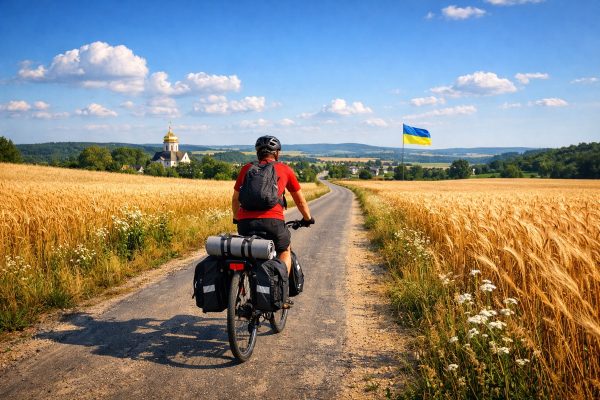
Women Traveling Alone in Ukraine: Safety and Practical Guide

Is Ukraine Safe for Women Traveling Alone?
Women do travel alone in Ukraine, and many trips are smooth and uneventful when planned carefully. In 2026, the main risks are not usually petty crime alone, but the broader realities of the security situation, changing local restrictions, and occasional disruptions to transport or communications. Your safety depends heavily on where you go, how you move around, and how closely you follow current local guidance.
Before traveling, check the latest advisories for the exact regions you plan to visit and avoid any area with active hostilities or official restrictions. In safer western and central cities, solo female travelers generally find hotels, cafés, and public spaces accustomed to international visitors. Still, use the same precautions you would in any unfamiliar country: share your itinerary, keep your phone charged, and avoid arriving in a new city late at night if you can help it.. Ukraine travel insurance
It is also wise to carry digital and paper copies of your passport, insurance details, accommodation address, and emergency contacts. If you want an extra layer of protection, consider a travel insurance plan that includes emergency assistance and evacuation support, , especially if your trip involves multiple cities or longer stays.
Cultural Considerations and Local Etiquette
Ukrainian culture is generally polite, practical, and respectful, and solo women are not expected to dress in a highly formal way for everyday travel. In cities, casual clothing is normal, but in churches, memorial sites, and some government or business settings, modest attire is appreciated. A simple rule is to dress neatly and avoid drawing unnecessary attention, especially when moving around at night or in less familiar neighborhoods.
Public behavior tends to be reserved rather than openly intrusive. Unwanted attention can happen, but it is usually best handled with calm, direct boundaries. A firm “ni, dyakuyu” (no, thank you) or simply walking away is often enough. If someone becomes persistent, move toward a busy area, enter a shop, café, or hotel, and ask staff for help. Ukrainians are often willing to assist if you clearly state what you need.
Language can be a factor, particularly outside major cities. In Kyiv, Lviv, Odesa, and other larger centers, many people understand basic English, but having a translation app and your destination written in Ukrainian can save time and reduce stress. Learn a few practical phrases, such as “de is tualet?” (where is the restroom?) and “dopomozhite, bud laska” (please help). Small efforts usually make interactions smoother and more respectful.
Recommended Areas and Where to Be More Cautious
For women traveling alone, the most practical starting points are larger cities with good infrastructure, reliable accommodation options, and more predictable transport. Kyiv, Lviv, Ivano-Frankivsk, Uzhhorod, and other well-connected western or central cities are often preferred by solo travelers because they offer more hotels, restaurants, coworking spaces, and easier access to services. These places also tend to have better-developed visitor support and more options if your plans change at short notice.
Within any city, choose central neighborhoods with good lighting, active streets, and easy access to public transport or taxis. Staying near the city center or near your main points of interest reduces the need for long late-night journeys. If you are booking accommodation, read recent reviews from other solo travelers, check the exact address, and confirm whether the building has reception, secure entry, and reliable backup power or internet.
Be more cautious in isolated suburbs, poorly lit industrial areas, and places far from public transit. If you are considering travel to smaller towns or border regions, research current conditions carefully and verify that roads, rail lines, and local services are operating normally. In 2026, flexibility matters: a destination that is fine one week may be less practical the next if transport schedules, security measures, or connectivity change.
Transportation Safety: Trains, Buses, Taxis, and Walking
For many solo women, trains are one of the most comfortable ways to travel between Ukrainian cities. Book tickets through official or well-known platforms, keep your belongings close, and prefer daytime journeys when possible. On overnight trains, choose a berth or compartment with positive recent reviews if available, and keep valuables, documents, and your phone in a small bag that stays with you. If you need help, ask the conductor or station staff rather than strangers.
City taxis and ride-hailing services are usually safer than hailing a random car on the street. Use a trusted app, verify the license plate and driver name before entering, and share your trip with a friend. If a driver changes the route without explanation or makes you uncomfortable, end the ride in a public place. After dark, avoid walking long distances alone through quiet streets, parks, or underpasses. If public transport is crowded, keep your bag zipped and in front of you.
When walking, trust your instincts. If a street feels empty or poorly lit, take a longer but busier route. Keep one ear free if you are listening to music, and avoid displaying expensive jewelry, cameras, or large amounts of cash. Save offline maps in case mobile data becomes unstable, and know the address of your accommodation in both Latin and Ukrainian script so you can show it quickly if needed.
Emergency Contacts and What to Do If Something Goes Wrong
In an emergency in Ukraine, the main number to remember is 112, which connects you to emergency services. Depending on the situation, you may also need 102 for police, 103 for ambulance, and 101 for fire and rescue. Save these numbers in your phone before arrival and write them on a paper card in case your battery dies or your phone is lost.
If you feel unsafe, go to the nearest hotel, pharmacy, café, station, or shop and ask staff to call help for you. If your passport is lost or stolen, report it to the police and contact your embassy or consulate as soon as possible. Keep your embassy’s address and phone number saved offline. If you are traveling on a tight schedule, tell someone at home where you will be each day and set a check-in routine so someone notices quickly if you go offline unexpectedly.
For health or security-related disruptions, rely on official sources and your travel assistance provider. A good insurance policy can help coordinate medical care, translation, and transport if plans change. Before departure, review what your policy covers, including theft, trip interruption, and emergency evacuation. The most important habit is preparation: when your documents, contacts, and transport plans are organized, you can react calmly instead of improvising under pressure.
Continue reading
All articles
Booking Hotels in Ukraine: Best Platforms and Tips

Using ATMs in Ukraine: Fees, Limits, and Safety Tips

War Tourism in Ukraine: Ethical Considerations and Guidelines
Internet in Ukraine: VPNs, Blocked Services, and Online Safety
Solo Travel in Ukraine: Tips and Safety Advice