Electricity in Ukraine: Plugs, Voltage, and Power Outage Preparedness
What electricity standard to expect in Ukraine
Ukraine uses the European standard electrical system: 230V supply voltage and 50Hz frequency. For most travelers from Europe, this means your phone charger, laptop charger, hair dryer, and other modern electronics will usually work without a voltage converter. If you are coming from the United States, Canada, Japan, or another country with a different standard, check the label on each device before plugging it in. Many electronics are dual-voltage, but not all are.
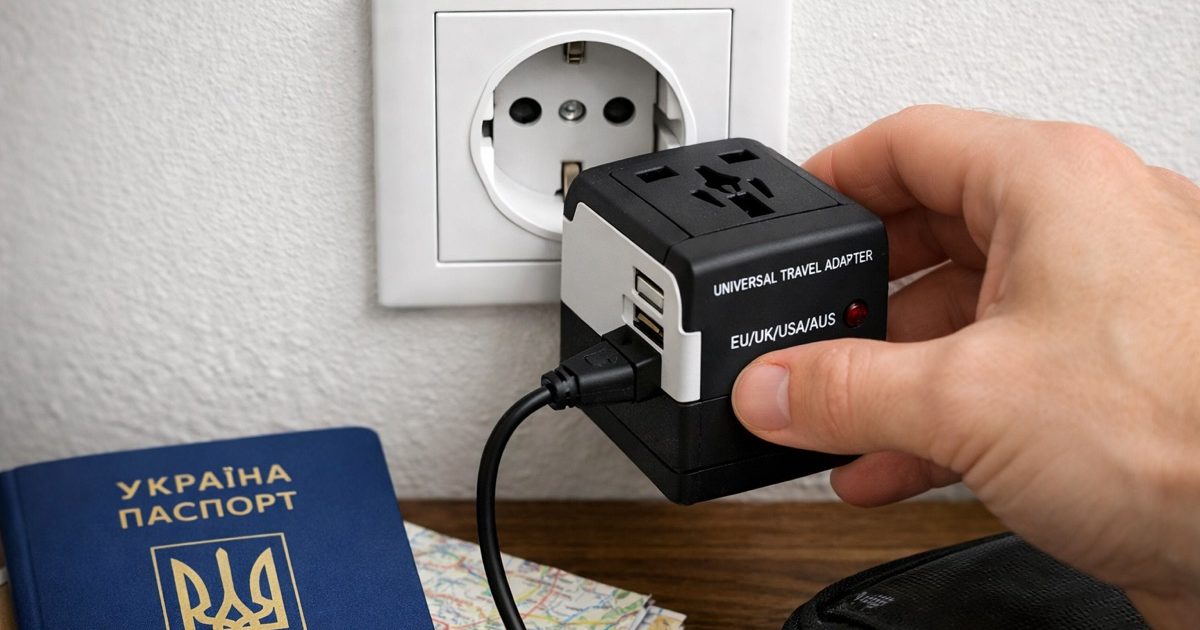
The most common plug types in Ukraine are Type C and Type F. Both have two round pins, and Type F sockets are widely compatible with Type C plugs. In practice, this makes Ukraine easy for most European visitors, but travelers from the UK, Ireland, Switzerland, the US, and some Asian countries will typically need a plug adapter. It is best to buy one before arrival, because airport or hotel shops often charge more and may have limited stock.
If you are staying in an older apartment or a small guesthouse, you may find a mix of socket quality and power strip types. That is normal, but it means you should avoid forcing plugs into sockets or using loose adapters that heat up. A compact, grounded travel adapter and a reliable power strip can make your stay much easier, especially if you need to charge several devices at once.. Ukraine entry requirements
Adapters, converters, and how to protect your devices
A plug adapter changes the shape of the plug; a voltage converter changes the electrical power itself. Travelers often confuse the two, but they are not the same. For most modern electronics with a label that says 100-240V, you only need a plug adapter if your plug shape does not fit. For devices that are not dual-voltage, such as some hair tools, electric shavers, or older appliances, you may need a proper voltage converter or, more realistically, you should leave the device at home and buy a local one.
Before traveling, check the small print on every charger and device. If it says 100-240V, 50/60Hz, it should work in Ukraine with the correct plug adapter. If it says only 110V or 120V, do not plug it in directly. Also pay attention to wattage, especially for devices that draw more power. Cheap converters are often not suitable for high-wattage appliances and can overheat or fail. For safety, it is better to use original chargers, certified adapters, and surge protection where possible.
Power surges and unstable electricity can happen, especially during periods of infrastructure strain. A surge-protected power strip is a smart addition to your packing list if you plan to work remotely or carry expensive electronics. If you are staying in a rental, ask the host whether the apartment has a backup power source, generator, or inverter. We recommend also carrying a small flashlight or headlamp in your day bag, because outages may affect stairwells, elevators, and street lighting at short notice.
Power banks: what to bring and how to use them safely
A power bank is one of the most useful items for travel in Ukraine in 2026. Choose one with enough capacity for a full day or more of phone use, navigation, messaging, and mobile payments. A 10,000 mAh model is a practical minimum for short trips, while 20,000 mAh is better if you rely heavily on your phone, work remotely, or expect long periods without access to mains power. If you fly, remember that airlines usually allow power banks in carry-on luggage only, not checked baggage.
Look for a power bank from a reputable brand with clear capacity labeling and built-in safety protections. Very cheap, unbranded models can be unreliable and may not deliver the advertised capacity. If you carry multiple devices, consider a model with USB-C Power Delivery, which charges modern phones and laptops faster and more efficiently. Keep the power bank charged whenever you have access to electricity, and do not leave it in direct sunlight, near heaters, or inside a hot car.
If you are traveling with family or a group, one high-capacity power bank may be more useful than several small ones. However, do not rely on it as your only backup. For longer outages, you should also have offline maps, downloaded tickets, paper copies of key addresses, and a way to contact your host or driver even if your battery runs low. In areas where outages are frequent, many travelers also carry a small LED lantern or rechargeable lamp for use in hotels and apartments.
How scheduled outages work and how to plan around them
In some parts of Ukraine, electricity supply may be scheduled or interrupted due to grid management, repairs, or emergency conditions. If you are traveling in 2026, do not assume that power will be available 24/7 in every building. Scheduled outages can affect lighting, elevators, heating controls, internet routers, water pumps, and card terminals. The exact timing can change, so flexibility is important.
The best practice is to check local updates each day through official sources, your accommodation host, or local news channels. If your hotel or apartment has a backup generator, ask what it covers. In many buildings, a generator may power only elevators, corridor lights, or reception, not the entire room. If you need to work online, plan your charging and meetings around the hours when electricity is most likely to be available. Charge devices early, not when the battery is already low.
For transportation, scheduled outages can also affect metro stations, intercity trains, and local services indirectly, especially if elevators, ticket machines, or station lighting are limited. Build extra time into your plans, and keep cash as a backup in case card terminals or ATMs are temporarily unavailable. If you are staying in a city for several days, learn the likely outage schedule for your district and set phone reminders so you can charge devices before power goes off.
A practical packing checklist for electricity-related travel prep
A good electricity kit for Ukraine does not need to be large, but it should be thoughtful. Pack a universal travel adapter compatible with Type C and Type F sockets, a dual-voltage charger for your phone and laptop, a reliable power bank, a short charging cable for each device, and a small surge-protected power strip if you are carrying multiple electronics. If you use a CPAP machine, medical device, or special equipment, verify its voltage and backup requirements before departure.
It is also wise to prepare for situations where power is unavailable for a few hours. Download offline maps for the cities you will visit, save hotel addresses in your phone, and keep screenshots of tickets, reservations, and contact numbers. Put a flashlight, spare batteries if needed, and a fully charged power bank in your day bag. If you are traveling with children, add a small portable light and an extra charging cable for their devices.
Finally, remember that electricity preparedness is part of overall travel safety. A well-planned trip is less stressful, more flexible, and better able to handle disruptions. If you want extra protection for your journey, consider travel insurance that covers trip interruptions and emergency assistance. With the right adapter, a charged power bank, and a plan for outages, you can travel in Ukraine more confidently and avoid many common inconveniences.
Continue reading
All articles
Booking Hotels in Ukraine: Best Platforms and Tips

Using ATMs in Ukraine: Fees, Limits, and Safety Tips

War Tourism in Ukraine: Ethical Considerations and Guidelines
Internet in Ukraine: VPNs, Blocked Services, and Online Safety

Women Traveling Alone in Ukraine: Safety and Practical Guide