Top Museums in Ukraine: History, Art, and War Memorials
Why Ukraine’s museums matter now
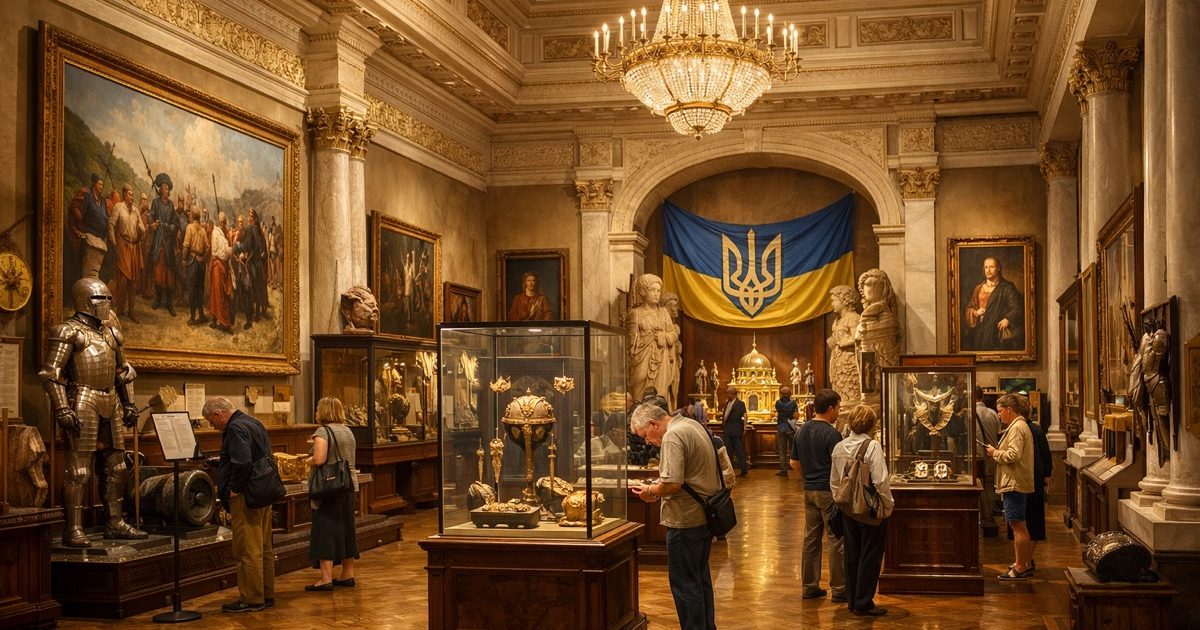
Ukraine’s museums are more than collections of objects: they are places where national identity, regional culture, and historical memory are preserved and explained. In 2026, many visitors come not only for classical art and archaeology, but also to understand the country’s experience of war, resilience, and cultural resistance. That makes museum visits in Ukraine especially meaningful for both Ukrainians and foreign travelers.
Most major museums in Ukraine are open to the public, but opening hours, ticket rules, and access can change quickly because of security conditions, power outages, or special events. Before you go, check the museum’s official website or social media pages for current hours and whether you need to book ahead. If you are planning a broader trip, This guide can help you think through the practical side of travel, from safety preparation to insurance coverage.. Ukraine travel insurance
A good museum itinerary in Ukraine usually combines one or two major institutions in a city with smaller specialized museums nearby. This gives you a fuller picture: imperial history, Soviet legacy, contemporary art, religious heritage, and the ongoing story of the full-scale war. In many cases, the most memorable exhibits are not the largest ones, but the ones that connect local history with everyday life.
Kyiv: national history, art, and memory
Kyiv has the country’s strongest concentration of major museums. The National Museum of the History of Ukraine is one of the best starting points if you want a broad overview, from ancient cultures and medieval Kyivan Rus to modern independence. Nearby, the National Art Museum of Ukraine offers an important collection of Ukrainian painting and sculpture, with works that help visitors understand how national art developed alongside political change.
For those interested in the 20th century and the Soviet period, the Museum of the History of Ukraine in World War II is a key site. Its monumental setting and extensive exhibits focus on the Second World War, but the surrounding landscape has also become part of Ukraine’s modern memory culture. In recent years, the museum has increasingly been viewed alongside newer wartime memorial spaces that reflect the current war and the broader cost of aggression.
Kyiv also has several smaller museums worth adding to your list if time allows. The Khanenko Museum is one of the city’s finest art museums, with European, Asian, and ancient collections assembled by the Khanenko family. The Bohdan and Varvara Khanenko collection is especially valuable for visitors who want to see how private collecting shaped public culture in Ukraine. If you want something more contemporary, look for exhibitions at the Mystetskyi Arsenal, which hosts major art and history projects and often features themes tied to identity, memory, and war.
Lviv and Odesa: regional identity and cultural depth
Lviv is often described as one of Ukraine’s most museum-friendly cities because many of its institutions are walkable and concentrated in the historic center. The Lviv National Art Gallery is the largest art museum network in the country and includes several branches, with strong holdings in Ukrainian, Polish, and European art. The Andrey Sheptytsky National Museum in Lviv is another essential stop, especially for visitors interested in icons, sacred art, and the development of Galician cultural life.
Lviv’s museums are particularly useful if you want to understand western Ukraine’s layered history: Austro-Hungarian influence, Polish heritage, Jewish history, and the city’s modern Ukrainian identity. Smaller museums and memorial spaces in the city often focus on literature, religion, and local crafts, making Lviv ideal for travelers who like to connect art with place. If you only have one day, choose one major art museum and one historical or memorial museum rather than trying to rush through too many stops.
Odesa offers a different museum experience, shaped by its Black Sea port identity, cosmopolitan past, and maritime trade history. The Odesa Museum of Western and Eastern Art is one of the city’s highlights, with a strong collection that ranges from European masters to Asian art. The Odesa Archaeological Museum is important for understanding the region’s ancient past, including Greek, Scythian, and Black Sea coastal civilizations. For visitors interested in the city’s cultural personality, these institutions show why Odesa has long been a meeting point of languages, communities, and artistic traditions.
In both Lviv and Odesa, it is worth checking whether temporary exhibitions are running, since these cities often host programs that change seasonally. Many museums also work with local guides, which can be useful if you want deeper context on architecture, wartime damage, or the history of collections.
Kharkiv: science, heritage, and survival
Kharkiv has long been one of Ukraine’s most important intellectual and cultural centers, and its museums reflect that role. The Kharkiv Art Museum is a good place to start for Ukrainian and European art, especially if you want to see how the region’s cultural life developed in the 19th and 20th centuries. Another important institution is the Kharkiv Historical Museum, which helps explain the city’s industrial growth, revolutionary history, and Soviet-era transformation.
Kharkiv’s museum landscape has been deeply affected by the full-scale war, and that reality changes how visitors experience the city’s cultural institutions. Some exhibits now highlight damage, evacuation efforts, and the role of museums in protecting heritage under fire. This makes Kharkiv especially significant for travelers who want to understand not just what Ukraine has preserved, but how it is preserving it under extreme conditions.
If you visit Kharkiv, plan carefully and allow extra time for transport and schedule changes. Some museums may have reduced hours or limited access depending on security conditions. Still, the city remains an important place to see how cultural life continues even during wartime. A museum visit here can be as much about resilience as about art or history.
Wartime exhibitions and memorial museums
Since 2022, wartime exhibitions have become a major part of Ukraine’s museum landscape. These are not only displays of destroyed objects or military artifacts. Many of them document civilian life during the full-scale invasion, the work of volunteers, the evacuation of children, the preservation of archives, and the destruction of cultural heritage. For visitors, these exhibitions offer a direct and often emotional understanding of how war has reshaped everyday life.
In Kyiv, Lviv, Kharkiv, and Odesa, temporary exhibitions often focus on frontline experiences, photography from liberated areas, personal diaries, and recovered items from damaged museums or homes. Some institutions also present exhibitions about occupied territories, deportation, and the role of culture in resistance. When possible, choose museums that explain the context carefully rather than presenting war as spectacle.
Memorial museums and remembrance spaces are also becoming more important. These places may honor victims of political repression, the Holocaust, the Holodomor, or the current war. They are best visited with time and attention, because many require emotional preparation. If you are traveling with children, preview the exhibit themes first so you can decide what is appropriate. In general, memorial museums are most meaningful when visitors take time to read the labels, listen to audio guides, and reflect rather than rushing through.
Because some wartime exhibitions are temporary, it is wise to check current listings before your trip. Many museums publish updates on social media, and some offer English-language materials or guided tours. Booking in advance is especially useful for special exhibitions, commemorative events, and museum nights.
Practical tips for planning your museum route
To make the most of museum travel in Ukraine, build your route around one city at a time and leave room for flexibility. In major cities, museums may be closed on one weekday, have shorter hours in winter, or pause admissions during air alerts. Carry a charged phone, a small amount of cash, and a backup plan in case your schedule changes. If you are traveling during colder months, remember that some museums may have limited heating or reduced visitor services.
Language is usually not a major barrier in the largest museums, where you may find English labels or audio guides, but this is not universal. If you want a deeper experience, consider hiring a local guide or using a translation app. Tickets are generally affordable by European standards, and many museums offer reduced prices for students, children, or veterans. Keep in mind that some institutions may request a passport or ID for entry discounts.
For travelers who want a balanced cultural itinerary, combine museums with nearby landmarks, cafes, and public spaces so the day does not feel too intense. In Kyiv, for example, you can pair a museum visit with a walk through the historic center; in Lviv, with a coffee-house stop and old town architecture; in Odesa, with a stroll near the port; and in Kharkiv, with a broader look at the city’s urban fabric. The best museum trips in Ukraine are not only educational, but also human: they help you understand the country through its art, memory, and endurance.
Continue reading
All articles
Ukrainian Festivals and Events to Attend in 2026

Ukrainian Craft Beer Scene: Breweries and Bars Worth Visiting
Religious Sites in Ukraine: Churches, Cathedrals, and Monasteries Worth Visiting

Ukrainian Coffee Culture: A Guide to Cafes and Coffee Traditions

Essential Ukrainian Phrases for Travelers