Camping in Ukraine: Rules, Spots, and Gear Tips
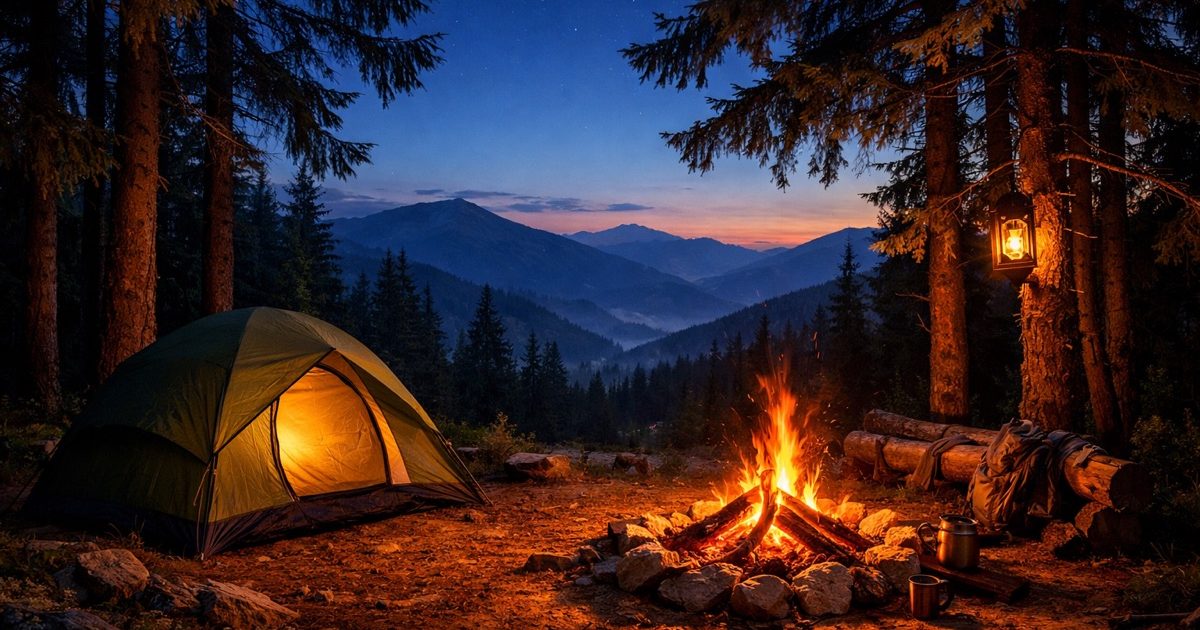
Camping in Ukraine: what to know before you go
Camping in Ukraine can be a rewarding way to explore the Carpathians, forested regions, lakes, and river valleys, but the rules are not the same everywhere. In 2026, the main distinction is between designated campsites, national park areas with specific visitor rules, and informal wild camping. If you are planning a trip, check the exact location in advance rather than assuming that open land is automatically available for overnight stays.
In popular areas such as the Carpathian Mountains, Zakarpattia, Ivano-Frankivsk, and parts of Chernivtsi and Lviv regions, camping is common and generally well understood by local communities. However, land ownership and protected-status rules matter. Some meadows, alpine zones, and forest edges may look empty but can still be private land, grazing areas, or restricted conservation zones. The safest approach is to use official campsite listings, park visitor centers, or local tourism pages before setting up a tent.. Buy travel insurance Ukraine
If you are traveling from abroad, remember that camping culture in Ukraine is practical and informal, but not lawless. Locals usually value quiet, cleanliness, and respect for nature. A good rule is simple: leave no trace, avoid open fires unless explicitly allowed, and be ready to move if a landowner, ranger, or local resident says the spot is not suitable.
Legal camping spots and where to look
The most straightforward option is an official campsite or recreation base. These are common near the Carpathians, lakes, rivers, and tourist routes, especially around Bukovel, Yaremche, Verkhovyna, Synevyr, Shatsk, and the Dniester Canyon. Many offer toilets, water, fire pits, parking, and sometimes showers or cabin rentals. They are usually the best choice if you are new to camping in Ukraine, traveling with children, or arriving late in the day.
National parks are another good option, but they are not always “free camping” areas. Parks such as Carpathian National Nature Park, Synevyr National Nature Park, and Shatsky National Nature Park often have designated zones, marked trails, and specific rules for tents and fires. In many protected areas, you may camp only in approved places or with permission. Before entering, check the park’s official website, call the visitor center, or ask at the entrance whether overnight camping is allowed and whether a permit or fee is required.
Outside parks, some rural guesthouses and eco-lodges allow tent pitching on their grounds for a small fee. This can be a smart compromise if you want a quiet night, access to water, and local advice on weather or trail conditions. It is also worth checking regional tourism maps and Ukrainian hiking communities, because many campsites are not heavily advertised in English but are easy to find through local sources.
Wild camping culture in Ukraine
Wild camping exists in Ukraine, especially among hikers, cyclists, and backcountry travelers, but it works best when it is discreet and respectful. In mountain areas, people often stop for one night in a remote spot, especially when hiking between villages or trekking on multi-day routes. The unwritten rule is to arrive late, leave early, keep noise low, and avoid disturbing livestock, crops, or private property.
That said, wild camping is not a free-for-all. In forests, near water, and in mountain meadows, you should first consider whether the land is protected, privately used, or exposed to fire risk. During dry periods, open flames can be dangerous and may be banned. In some places, rangers may fine campers for littering, fire violations, or camping in restricted zones. If you are unsure, ask a local shopkeeper, hostel owner, or park office; Ukrainians are often direct and helpful when you ask clearly.
A practical tip for 2026: if you plan to wild camp, carry a backup paid campsite or guesthouse option within reach. Weather in the Carpathians can change fast, and a sudden storm may make a remote site uncomfortable or unsafe. We recommend building flexibility into your route, especially if you are hiking in unfamiliar terrain or crossing regions with limited transport late at night.
Gear essentials for Ukrainian conditions
For most summer and shoulder-season trips, a reliable three-season tent, sleeping bag, sleeping mat, and rain protection are the core items. In the Carpathians and other elevated areas, nights can be cold even in June or September, so do not pack for lowland temperatures only. A tent with solid wind resistance and a footprint or groundsheet is useful on damp forest soil and grassy slopes.
A compact stove is often safer than relying on campfires, especially where wood is scarce or fire rules are strict. Bring enough fuel for your route, plus a lighter and waterproof matches. Water treatment is also important: springs and streams are common in mountain areas, but you should still use a filter, purification tablets, or boil water when possible. A headlamp, spare batteries, power bank, map app with offline downloads, and a paper backup map are all practical essentials because mobile signal can be weak in valleys and remote ridges.
For clothing, think layers: moisture-wicking base layers, a warm mid-layer, and a waterproof outer shell. Good hiking boots or trail shoes matter more than brand names. Add insect repellent, sunscreen, a small first-aid kit, and a dry bag for documents and electronics. If you camp in spring or autumn, include gloves, a hat, and an extra thermal layer. For families or longer stays, a folding chair, small tarp, and a lightweight table can make campsite life much more comfortable without adding too much weight.
Safety, weather, and local practicalities
Weather is one of the biggest factors in camping safety in Ukraine. Mountain storms can arrive quickly, and river valleys may become muddy or flood-prone after heavy rain. Before setting out, check the forecast for the exact district, not just the nearest city. If strong winds or thunderstorms are expected, avoid exposed ridges, isolated trees, and stream banks. In summer, heat and dehydration can also be a problem, especially on long hikes with limited shade.
Fire safety deserves special attention. Use designated fire rings where they exist, and never leave a fire unattended. In dry weather, many local authorities and parks restrict open flames entirely. If you are cooking, a gas stove is usually the safest option. Keep your tent away from dead branches, dry grass, and steep slopes where water runoff can collect. At night, store food securely so it does not attract animals, and do not leave trash behind; littering is one of the fastest ways to damage the reputation of campers in a region.
Finally, plan for communication and emergencies. Save local emergency numbers, share your route with someone, and carry enough cash for a taxi or guesthouse if your plans change. If you are traveling with insurance, make sure it covers hiking and outdoor activities. For added peace of mind, This site can help travelers understand what to watch for before heading into remote areas, especially if they are combining camping with trekking or long-distance road travel.
Best camping regions and how to choose the right spot
The Carpathians are the most famous camping region in Ukraine, with scenic routes, mountain streams, and many tourism services. Yaremche and Verkhovyna are popular bases for beginners, while more experienced campers often head toward more remote trails near Chornohora, Hoverla approaches, or the Synevyr area. If you want a mix of nature and easier logistics, look for campsites near established villages rather than deep wilderness access points.
For water and lake camping, the Shatsk Lakes area in Volyn is a classic choice, though you should confirm where camping is permitted and whether facilities are open in your travel dates. The Dniester Canyon and parts of the Podillia region can also be excellent for riverside stays, but access points may be limited and some riverbanks are environmentally sensitive. In the south and east, camping is more location-specific and should be planned carefully because conditions, access, and safety considerations can change quickly.
When choosing a spot, use a simple checklist: legal status, water access, wind exposure, distance from roads, proximity to help, and fire rules. If you can tick all six, you likely have a good campsite. The best camping in Ukraine is usually not the most hidden one; it is the one where you can sleep well, respect the local rules, and leave the place cleaner than you found it.
Continue reading
All articles
Spring Travel in Ukraine: Cherry Blossoms and Cultural Awakening
Autumn in Ukraine: Golden Landscapes and Harvest Season

Romantic Getaways in Ukraine: Best Destinations for Couples

Alcohol Laws in Ukraine: What Travelers Should Know

Foreign Embassies and Consulates in Ukraine: Complete Directory