Grocery Shopping in Ukraine: Supermarkets, Prices, and Tips
Where to Shop: Major Supermarket Chains in Ukraine
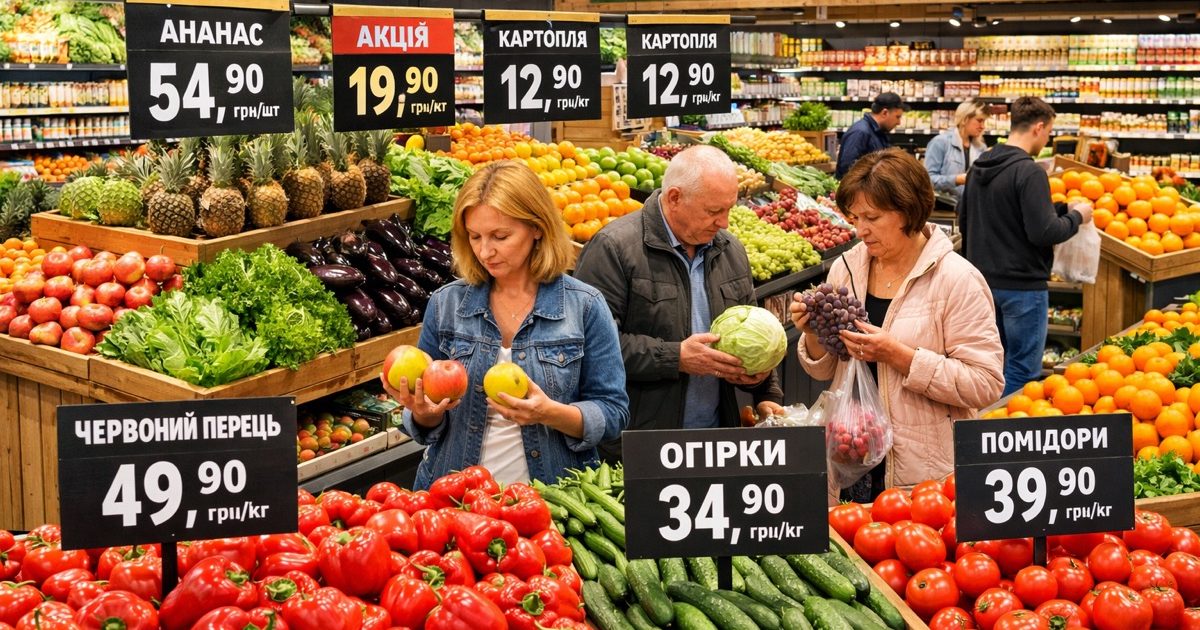
For everyday grocery shopping in Ukraine, the most common options are ATB, Silpo, and Novus. ATB is usually the cheapest and has the widest reach, especially in residential areas and smaller cities. It is known for a more basic shopping experience, but it is often the best place to buy staple foods such as bread, dairy, pasta, eggs, vegetables, and packaged goods at lower prices.
Silpo is generally more modern and comfortable, with a broader selection of imported items, ready-made meals, baked goods, and specialty products. Prices are usually higher than ATB, but the stores are cleaner, better organized, and more convenient if you want a larger variety or a more premium shopping experience. Novus sits somewhere in between: it is popular in larger cities, especially Kyiv, and is often a good choice for balanced pricing and decent selection.. Ukraine travel insurance
Other chains you may encounter include Varus, Fora, and Eco Market, but ATB, Silpo, and Novus remain the most recognizable for most travelers and long-term visitors. In major cities, you can also find smaller neighborhood stores and convenience shops, which are useful for quick purchases but usually charge more than full-size supermarkets. If you are staying in Ukraine for more than a few days, it is worth learning which chain is closest to your accommodation so you can compare prices and quality quickly.
What Grocery Prices Look Like in 2026
Grocery prices in Ukraine in 2026 are still relatively affordable compared with many EU countries, but they vary by city, chain, and product type. ATB typically offers the lowest prices on basic goods, while Silpo and some Novus stores may be noticeably more expensive, especially for imported or premium items. Local produce, seasonal fruit, bread, potatoes, cabbage, eggs, and chicken are usually among the most budget-friendly items.
As a rough guide, a loaf of bread, a liter of milk, a dozen eggs, and a basic pack of pasta are usually inexpensive by European standards, while cheese, coffee, chocolate, and fresh berries can cost more depending on the season. Imported snacks, cereals, sauces, and beverages often carry a premium because of transport and availability. Alcohol and tobacco are also priced differently due to taxes and regulations, so do not assume that a familiar brand will cost the same as at home.
If you are shopping on a budget, focus on local brands and seasonal products. Ukrainian dairy, bakery items, grains, and frozen vegetables are often good value. Markets can sometimes be cheaper than supermarkets for fruit and vegetables, but quality and hygiene standards vary, so it helps to compare before buying. In large cities, prices are usually higher than in smaller towns, and stores in central districts may cost more than those in residential neighborhoods.
How Payment Works: Cash, Cards, and Mobile Wallets
Card payment is widely accepted in Ukraine, and in 2026 it is the preferred method in most supermarkets. Visa and Mastercard are the most common options, and contactless payment is standard at ATB, Silpo, Novus, and most other chains. Apple Pay and Google Pay are also widely used, which is convenient if you do not want to carry much cash. For foreign visitors, card payments usually work smoothly in larger stores, but it is still wise to keep some cash as a backup.
The local currency is the hryvnia (UAH), and receipts are typically issued in Ukrainian. Some self-checkout lanes and customer service counters may ask for a loyalty card or phone number, but this is optional. If your bank charges foreign transaction fees or dynamic currency conversion, check the terminal before confirming payment so you are charged in hryvnia rather than your home currency when possible.
Cash is still useful for small neighborhood shops, open-air markets, and some delivery services. Keep smaller notes and coins if you plan to buy from kiosks or street vendors, because change may be limited. For Ukrainians traveling abroad, the same habit is useful in reverse: when returning home, it is worth checking whether your card will be blocked for international transactions or whether your bank requires travel notifications. We often recommend carrying at least two payment methods when traveling, especially if you rely on one main card for all purchases.
Finding International Products and Specialty Items
If you need international products, Silpo is usually the best place to start. It often stocks imported pasta, sauces, coffee, tea, breakfast cereals, Asian ingredients, European snacks, and a wider range of cheeses and condiments. Novus also tends to carry a decent selection of imported goods, especially in larger cities. ATB has improved its assortment in recent years, but it still focuses more on affordable local basics than on specialty imports.
For products that are hard to find in a normal supermarket, look for larger hypermarket-style stores, premium branches, or specialty sections with international foods. In Kyiv, Lviv, Odesa, Dnipro, and other major cities, you can also find smaller import shops, Asian grocery stores, and online marketplaces that deliver pantry items. If you need a specific brand, search in Ukrainian or English using the product category rather than the exact foreign name, because store websites and delivery apps may use local transliterations.
Imported products can be significantly more expensive than local alternatives, so it is often worth adapting recipes to Ukrainian ingredients. For example, local sour cream, cottage cheese, grains, pickles, and seasonal vegetables are easy to find and usually good quality. If you are staying in Ukraine long-term, ask locals or expat groups where they shop for your preferred items, because availability can change quickly depending on the city and current supply chains.
Practical Shopping Tips for Visitors
Plan your shopping around store hours and neighborhood layout. Many supermarkets in Ukraine open early and close late, but hours can vary by city, district, and security conditions. In some areas, shopping is more convenient during daylight hours, so it is smart to combine grocery runs with other errands. If you are staying near a metro station or a busy residential district, you will usually find several stores within walking distance.
Check product labels carefully. Packaging is usually in Ukrainian, and sometimes in Russian, so it helps to recognize key words for ingredients, expiry dates, and storage instructions. If you have allergies or dietary restrictions, take extra time to read labels on dairy, baked goods, sauces, and snack foods. Many supermarkets also sell prepared meals, but ingredient lists may be shorter or less visible than on packaged items.
Delivery apps are very popular in Ukraine and can be a good option if you do not want to carry heavy bags. Supermarkets often partner with local courier services, and many stores allow online ordering with home delivery or pickup. This is especially useful if you are settling into a new apartment or buying large quantities of water, cleaning supplies, or household essentials. Keep in mind that delivery fees, minimum order amounts, and available time slots can vary by chain and neighborhood.
Safety, Quality, and Budget Advice
For most travelers, grocery shopping in Ukraine is straightforward and safe, but a few habits make the experience easier. Bring reusable bags, because plastic bag policies and fees may apply depending on the store. Check dates on perishable goods, especially dairy, meat, and ready-made meals. If you are buying from a market, choose vendors with good turnover and visible freshness, and do not hesitate to compare several stalls before deciding.
If you are watching your budget, shop like a local: buy seasonal produce, choose store brands, and use promotions. Supermarkets often run discounts on certain days or on loyalty-card items, and some apps show weekly deals. Bulk purchases can save money on staples such as rice, pasta, cereals, and household products, but only if you have storage space and will use them before expiry.
Finally, remember that grocery shopping in Ukraine can be a good way to discover local food culture. Even if you are looking for familiar international brands, try some Ukrainian staples as well. Local bread, kefir, sunflower oil, pickles, buckwheat, and cottage cheese are widely available and often excellent value. With a little planning, you can shop comfortably, keep costs under control, and find most of what you need without much trouble.
Continue reading
All articles
Vegetarian and Vegan Food in Ukraine: A Traveler’s Guide

Ukrainian Food Guide: Must-Try Dishes and Where to Find Them

Understanding Ukrainian Dating Culture as a Foreign Visitor

Overnight Trains in Ukraine: The Ultimate Guide

Car Rental in Ukraine: Companies, Prices, and Practical Tips