Ukrainian Food Guide: Must-Try Dishes and Where to Find Them
Why Ukrainian cuisine is worth planning your trip around
Ukrainian cuisine is hearty, seasonal, and deeply regional, so the best food experiences often come from understanding where a dish comes from. In Kyiv, you’ll find elegant modern restaurants serving refined versions of classics; in Lviv, cafés and market stalls lean into Galician traditions; and in the Carpathians, mountain villages offer dishes built around dairy, cornmeal, mushrooms, and smoked meats. If you are traveling in 2026, food is still one of the most reliable ways to experience local culture quickly and affordably.
The easiest way to eat well in Ukraine is to mix three formats: traditional sit-down restaurants, casual cafeterias or canteens, and street food. Traditional restaurants are best for dishes like borscht, holubtsi, and banosh. Cafeterias are useful for a low-cost lunch and often show what locals actually eat on weekdays. Street food is ideal for snacks, especially in city centers, train stations, parks, and festivals. We recommend checking opening hours in advance, because some restaurants keep shorter schedules than before, especially outside major cities.. Travel insurance for Ukraine
When ordering, don’t worry if the menu looks familiar but the flavors are different from what you expect. Ukrainian cooking often uses sour cream, dill, garlic, pork fat, buckwheat, cabbage, beets, potatoes, mushrooms, and fermented vegetables. Portions are usually generous, so it is smart to order one main dish and one side first, then add more if needed.
The dishes you should not miss
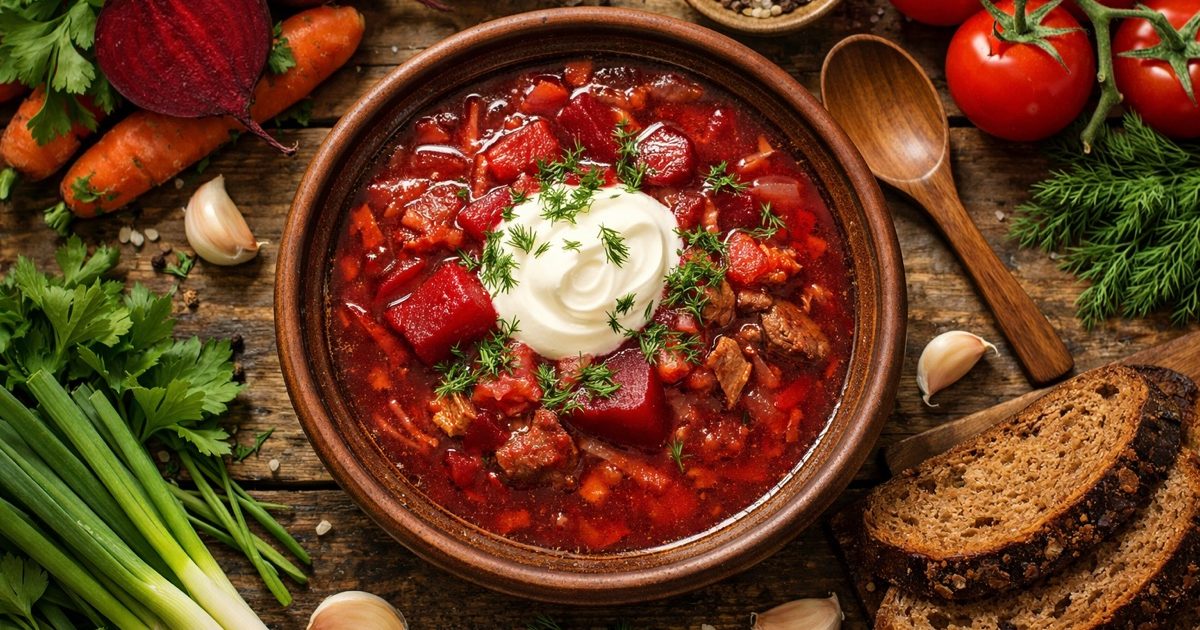
Borscht is the signature dish most travelers want to try first. It is a beet-based soup that may include cabbage, potatoes, carrots, onions, beans, and meat, though vegetarian versions are common. Regional variations matter: Poltava-style borscht can be richer and more filling, while some western versions are lighter or more sour. The best borscht is usually served with garlic pampushky, small soft buns brushed with garlic oil.
Varenyky are another essential dish: dumplings filled with potato, cottage cheese, cabbage, mushrooms, cherries, or meat. Savory varenyky are more common in restaurants, while sweet versions are often found in home-style cafés and at festivals. Salo, cured pork fat, is a classic Ukrainian snack and a cultural symbol. It is usually eaten thinly sliced with rye bread, garlic, mustard, or pickles, and it may be served as an appetizer rather than a main course.
Holubtsi are cabbage rolls filled with rice and minced meat, then baked or stewed in tomato or sour cream sauce. They are comforting, filling, and widely available in family restaurants. Banosh is a Carpathian specialty made from cornmeal cooked in cream and topped with bryndza cheese, cracklings, or mushrooms. If you are visiting Bukovina or the Carpathians, banosh is one of the most important regional dishes to try. Other dishes worth ordering include deruny, potato pancakes often served with sour cream; kasha, especially buckwheat; syrnyky, fried cottage cheese pancakes; and uzvar, a traditional dried-fruit drink.
Where to find the best versions in Kyiv, Lviv, and the Carpathians
For a first food tour, Kyiv is the easiest place to sample a wide range of Ukrainian cuisine in one trip. Look for restaurants that focus on modern Ukrainian cooking or classic home-style dishes. Well-known options often recommended by locals and travelers include Kanapa, Baczewski-style venues in the center, and chains or casual concepts like Puzata Hata for affordable traditional plates. In Kyiv, menus are usually bilingual, and many places offer tasting platters, which is useful if you want to compare several dishes without overordering.
Lviv is especially strong for café culture, desserts, and Galician food. The city’s historic center has many restaurants serving varenyky, banosh, soups, and meat dishes in atmospheric settings. Popular names often mentioned by visitors include Kryivka, Gasova Lampa, and Baczewski Restaurant, though it is worth checking current reviews and hours before going. Lviv’s market halls, coffee houses, and bakery counters are also good places to find syrnyky, pastries, and quick lunches. If you want a more local feel, step a few streets away from the main square to avoid tourist pricing.
In the Carpathians, the food is more rustic and regional. Mountain resorts, guesthouses, and village eateries are usually the best places for banosh, mushroom soups, grilled cheeses, and smoked meats. In Ivano-Frankivsk, Bukovel, Yaremche, and nearby villages, look for family-run restaurants and guesthouses rather than polished city-style venues. These places often make the most authentic versions because they use local dairy, wild mushrooms, and herbs. If you are visiting a small village, ask your host where they eat themselves; that is often the most reliable recommendation.
Street food culture and what to eat on the go
Street food in Ukraine is practical rather than flashy. You will see more baked goods, grilled items, and quick snacks than elaborate food trucks. The most common options include hot dogs, chebureky, pirozhky, stuffed buns, grilled corn in summer, roasted chestnuts in autumn, and sweet pastries from bakery kiosks. In larger cities, especially near parks, metro stations, and pedestrian streets, you can also find coffee stands, crepe stalls, and small vendors selling dumplings or shawarma-style wraps.
At festivals and weekend markets, street food becomes more interesting. Regional events may feature homemade varenyky, banosh, honey cakes, smoked fish, and pickled vegetables. Christmas markets in winter often sell mulled drinks, sweet buns, and fried snacks, while summer fairs lean toward grilled food and cold drinks. If you want a quick lunch between sightseeing stops, street food is often the fastest and cheapest option, but choose busy vendors with high turnover so the food stays fresh.
A good rule is to buy hot food that is cooked in front of you and avoid anything that has been sitting uncovered for a long time in warm weather. Carry cash or a card, but remember that small vendors may still prefer cash in some areas. If you are sensitive to dairy, ask whether sour cream, butter, or cheese is included, because many Ukrainian dishes use them by default.
How to order well and eat like a local
Menus in Ukraine are usually straightforward, but a few practical phrases help. If you want the classic version of a dish, ask whether it is “traditional” or “home-style.” If you prefer a smaller portion, ask for half a serving or share plates where possible, especially in city restaurants. For borscht, it is normal to ask for pampushky and sour cream on the side. For varenyky, ask whether they are boiled or fried, since both styles exist. For banosh, clarify the topping, because cracklings, mushrooms, and cheese all change the flavor significantly.
Tipping is generally appreciated in restaurants, especially in larger cities and tourist areas, though service charges may sometimes be included. In casual cafés and canteens, rounding up is often enough. If you are traveling with a strict budget, lunch specials are the best value, and many restaurants offer business lunches on weekdays. Bakeries, food courts, and market stalls can also stretch your budget while still giving you a real taste of Ukrainian food culture.
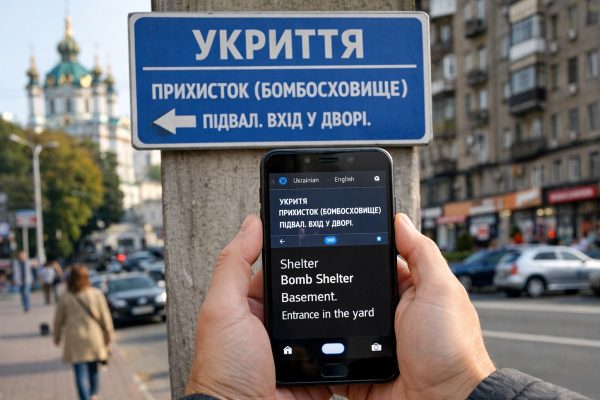
Finally, keep food safety in mind. Choose busy places, drink bottled or filtered water if your stomach is sensitive, and be cautious with raw salads from very small vendors during hot weather. If you have allergies or dietary restrictions, use a translation app to show ingredients clearly. For travelers who want extra peace of mind, This guide can help you stay prepared while you explore new cuisines. The best food trip is one where you can enjoy every meal without worrying about the practical details.
Continue reading
All articles
Vegetarian and Vegan Food in Ukraine: A Traveler’s Guide

Spring Travel in Ukraine: Cherry Blossoms and Cultural Awakening
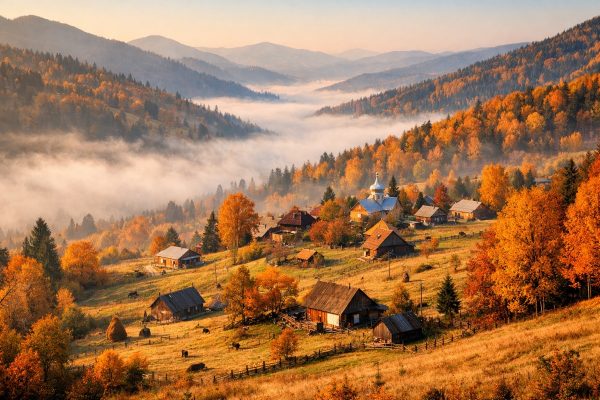
Autumn in Ukraine: Golden Landscapes and Harvest Season
Navigating the Language Barrier in Ukraine: Translation Apps and Tips

Romantic Getaways in Ukraine: Best Destinations for Couples