Intercity Buses in Ukraine: FlixBus, Autolux, and Local Routes
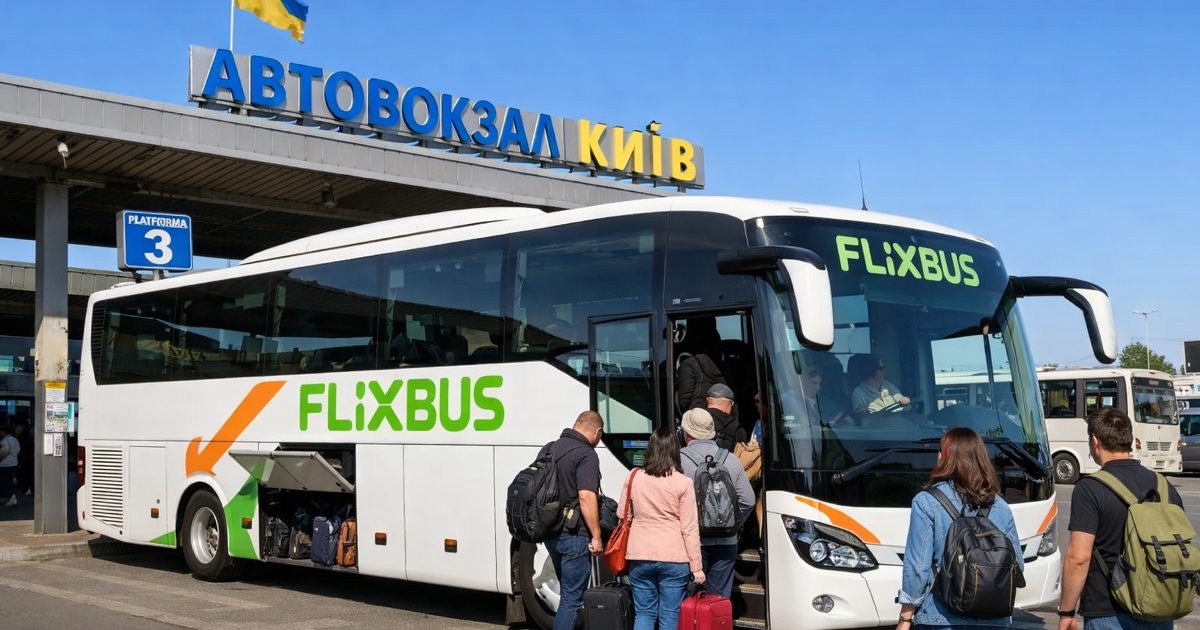
Why intercity buses remain a smart choice in Ukraine
Intercity buses are still one of the most practical ways to travel around Ukraine in 2026, especially if you want a direct connection between cities without changing trains or dealing with limited rail schedules. They are often the best option for medium-distance trips such as Kyiv to Lviv, Odesa to Mykolaiv, or Dnipro to Zaporizhzhia, and they can also be useful when train tickets are sold out. For many routes, buses run more frequently than trains and can reach smaller towns that are not well connected by rail.
For travelers on a budget, buses are usually cheaper than fast trains or private transfers, and booking is straightforward through online platforms. The trade-off is that travel times can be longer, especially on roads with construction, detours, or congestion near major cities. Comfort also varies widely depending on the operator, the bus type, and whether the route is domestic or international. If you are planning a trip during peak season, holidays, or weekends, it is wise to book early and check departure points carefully, since some routes leave from central bus stations while others use different city terminals.. Travel insurance for Ukraine
Booking platforms and how to compare tickets
The easiest way to buy bus tickets in Ukraine is through online aggregators and company websites. Popular booking platforms in 2026 include Busfor, Infobus, and the official websites or apps of large carriers such as FlixBus and Autolux. These platforms let you compare departure times, prices, baggage rules, and often seat selection. For international routes, especially those crossing into the EU, booking online in advance is strongly recommended because seats can sell out quickly.
When comparing tickets, do not focus only on the lowest fare. Look at the departure station, total travel time, number of stops, luggage allowance, and whether the ticket is refundable or exchangeable. Some routes may appear cheaper but leave from an inconvenient station on the edge of the city, which can add time and taxi cost. Also check whether the bus is marked as a regular domestic coach, a premium service, or a cross-border line, because comfort and border procedures can differ significantly.
If you travel frequently, save your confirmation email and screenshot the ticket details, including the bus number, departure time, and platform if listed. Mobile internet may not always be reliable at busy stations, and some operators still prefer printed tickets or QR codes. We recommend keeping both digital and offline copies of your ticket and passport data when traveling on long-distance buses.
FlixBus, Autolux, and local carriers: what to expect
FlixBus is one of the most recognizable international brands operating in Ukraine and on routes from Ukraine to neighboring countries. It is usually a good choice for travelers who value online booking, predictable service, and clear baggage rules. FlixBus coaches are generally modern, with reclining seats, air conditioning, Wi-Fi on many routes, and charging ports on some vehicles. However, service quality can still vary by partner operator, so it is best to read recent route reviews before booking.
Autolux is a major Ukrainian intercity carrier known for serving many domestic routes and some international connections. It is often considered a more premium option than small local operators, with comfortable seats, scheduled departures, and better station infrastructure on key routes. On popular corridors such as Kyiv–Lviv, Kyiv–Odesa, or Kyiv–Dnipro, Autolux can be a reliable choice if you want a balance between price and comfort. Depending on the route, you may find fewer stops and a more organized boarding process than on smaller regional services.
Local routes are more varied. Some are operated by modern coaches, while others use older buses or minibuses, especially on shorter regional lines. These can be useful for reaching towns and villages that larger companies do not serve, but they may offer less legroom, fewer amenities, and less punctuality. On local buses, expect more flexibility but also more variability in quality, so it helps to ask about the exact vehicle type, luggage space, and whether the route is direct or makes frequent stops.
Comfort levels, luggage, and practical onboard tips
Comfort on Ukrainian intercity buses ranges from basic to quite good. On better long-distance coaches, you can expect air conditioning, soft seats, overhead storage, and sometimes Wi‑Fi or USB charging. On older buses or local routes, amenities may be limited, and rest stops can be less predictable. Night routes are common on longer trips, but sleeping comfort depends heavily on seat pitch and road conditions, so they are not always as restful as an overnight train.
Luggage rules are important because they differ by carrier. Most bus companies allow one carry-on bag and one larger suitcase in the hold, but weight and size limits may apply. Extra luggage may require an additional fee, particularly on international routes. Keep valuables, documents, medicines, chargers, and a water bottle in your small bag rather than in the luggage compartment. If you are carrying fragile items, confirm with the driver or dispatcher whether they can be stored safely.
For a smoother trip, arrive at the station at least 20 to 30 minutes early, especially in large cities where terminals can be crowded. Bring a snack, water, and cash in small denominations in case you need to buy food or pay for a restroom at a stop. In colder months, carry a light jacket or scarf, since buses can be overheated at the start of the trip and cool later. If you are sensitive to motion sickness, choose a seat near the front or in the middle of the coach and avoid heavy meals before departure.
Popular domestic routes and when buses are the best option
The busiest domestic bus corridors in Ukraine connect major regional centers and are often served by several companies per day. Common routes include Kyiv–Lviv, Kyiv–Odesa, Kyiv–Kharkiv, Kyiv–Dnipro, Lviv–Odesa, and Lviv–Uzhhorod. Regional routes such as Chernihiv–Kyiv, Poltava–Dnipro, or Ivano-Frankivsk–Chernivtsi are also important because they connect cities where train options may be slower or less frequent. On some routes, buses can be faster than trains once you account for station transfers and departure schedules.
Buses are especially useful if you need flexible departure times, are traveling to a smaller city, or want a direct connection without changing transport. They are also a strong option when rail tickets are unavailable during holidays or major events. On the other hand, if you are traveling very long distances and value sleep, a train may still be more comfortable. For daytime trips of three to six hours, buses are often the simplest and cheapest solution.
In 2026, it is still smart to check road conditions before departure, particularly during winter weather or heavy rain. Delays can happen because of traffic, road repairs, or security-related disruptions on certain corridors. Building in extra time is the safest approach if you need to catch a flight, international train, or border connection after your bus arrives.
Border-crossing buses: what travelers should know
Border-crossing buses are an important part of Ukraine’s transport network, especially for travelers heading to Poland, Slovakia, Hungary, Romania, and Moldova. These routes are often operated by FlixBus, Autolux, and a range of international or local carriers. They can be a cost-effective alternative to private transfers, but border waits can add several hours to the journey, particularly during weekends, holidays, or periods of increased travel demand.
Before booking a cross-border bus, check the exact border crossing point, whether the route includes a transfer, and how much time is built into the schedule for passport control and customs checks. Some buses go directly through the border, while others require passengers to change vehicles near the frontier. Make sure your passport is valid for the destination country, and verify visa, residence, or temporary protection rules if they apply to you. If you are traveling with children, pets, or bulky luggage, confirm the required documents in advance because border officers may ask for them.
Arrive prepared for long waits and limited facilities at the crossing. Keep your documents, phone charger, water, and essential medication in your hand luggage. Do not pack your passport in the hold, and keep your phone charged in case the operator sends updates or asks you to board a replacement bus. For international travel from Ukraine, it is also wise to have travel insurance that covers delays and medical issues. If you want extra peace of mind on longer journeys, This guide can help you plan for the risks that matter most on the road.
Continue reading
All articles
Car Rental in Ukraine: Companies, Prices, and Practical Tips

Driving in Ukraine: Rules, Roads, and Rental Cars
Public Transportation in Ukrainian Cities: Buses, Metro, and Trams

Train Travel in Ukraine: A Complete Guide to Ukrzaliznytsia

Understanding Ukrainian Dating Culture as a Foreign Visitor