Public Transportation in Ukrainian Cities: Buses, Metro, and Trams
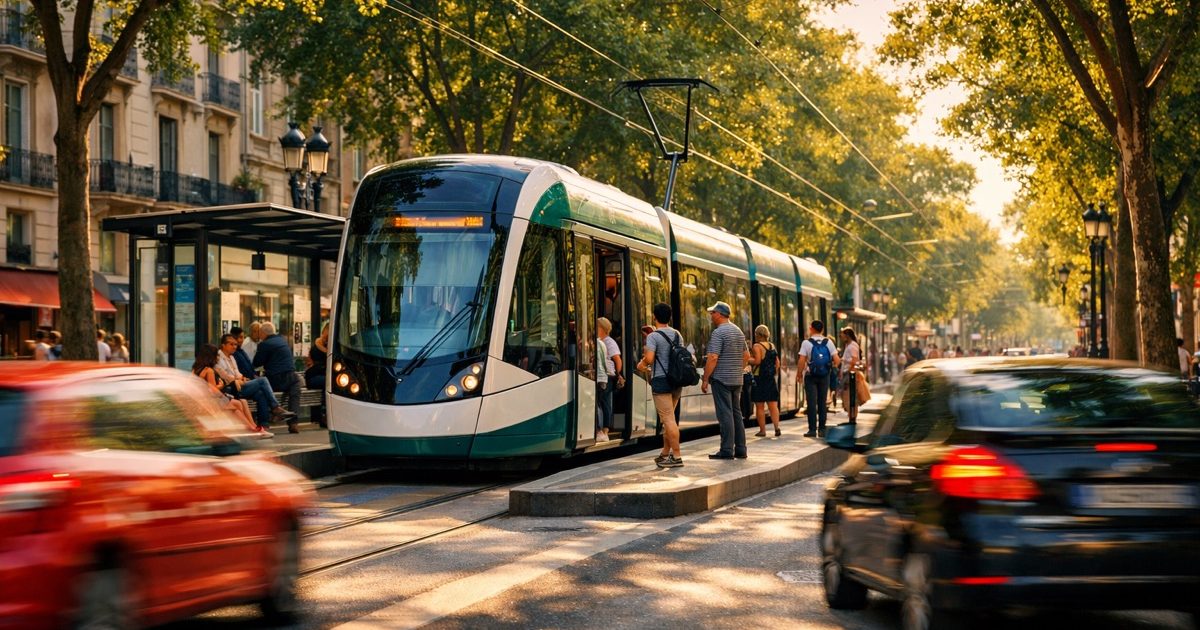
How Public Transport Works in Ukrainian Cities
Public transportation is the easiest and cheapest way to move around most Ukrainian cities. In Kyiv, Lviv, Odesa, Dnipro, Kharkiv, and other major cities, you’ll usually find a mix of metro, buses, trolleybuses, trams, and marshrutkas (shared minibuses). The system is generally straightforward once you understand the basics: routes are numbered, stops are announced visually in many vehicles, and digital payment is increasingly common.
The biggest difference from many Western European cities is that not every service is fully integrated. Metro, city buses, trams, trolleybuses, and marshrutkas may use different operators or payment methods, and transfer rules can vary by city. Still, for most travelers, moving around is simple if you rely on maps apps, contactless payment, and a few key Ukrainian route words and symbols.. Rules of Entry to Ukraine
If you are planning to stay for more than a few days, it helps to combine transport with basic trip planning. Check how far your accommodation is from a metro station or major tram/bus stop, and keep an eye on local alerts. We recommend building extra time into your schedule, especially during rush hours, weather disruptions, or air-raid-related pauses in service.
Kyiv Metro: Fast, Clear, and Usually the Best Option
Kyiv’s metro is the backbone of the city’s transport network and often the fastest way to cross long distances. It has three lines, color-coded in most maps, and stations are well signposted in Ukrainian and English. Train frequency is usually good, especially on central sections, and the metro is often the most reliable choice during traffic congestion.
Tickets are typically purchased with contactless payment, transport cards, QR codes, or station kiosks, depending on the current system in use. In 2026, bank cards and mobile wallets are widely accepted in Kyiv’s metro, and many stations also support digital passes or QR-based entry. If you are unsure, look for the turnstiles marked for contactless or QR payment and follow the signs; station staff are used to helping visitors.
One practical tip: learn the names of your origin and destination stations in both Latin letters and Cyrillic if possible. Even if you do not speak Ukrainian, station names are often displayed in English transliteration on maps and in apps. During peak hours, trains can be crowded, so keep valuables secure and stand clear of the doors. For central sightseeing, the metro is often the simplest way to reach major areas quickly without dealing with traffic.
Buses, Trolleybuses, Trams, and Marshrutkas
City buses, trolleybuses, and trams cover routes that the metro does not reach, especially residential districts and older neighborhoods. Trolleybuses are common in many Ukrainian cities and are often a smooth, affordable option. Trams are especially useful in cities with strong historic street layouts, such as Lviv and Odesa, though travel times can be slower because they share road space with cars and traffic.
Marshrutkas deserve special attention because they are still widely used. These are small shared minibuses that follow set routes and stop on request at many points along the way. They can be faster than regular buses, but they are often more crowded, less comfortable, and more dependent on local knowledge. Route numbers are usually displayed on the windshield or side of the vehicle, but the destination may be written only in Ukrainian. If you are unsure, ask the driver or another passenger before boarding.
For visitors, the main advantage of buses, trams, and trolleybuses is coverage. They can take you to neighborhoods, parks, markets, and stations that are inconvenient to reach by metro. The main drawback is variability: traffic, weather, and road works can affect timing. If you need to be somewhere on time, check live routes in an app and leave earlier than you think necessary.
How to Pay: Cards, QR Codes, and Transport Apps
Payment in Ukrainian public transport has become much easier over the last few years. In many cities, contactless bank cards, Apple Pay, Google Pay, and local transport apps are accepted on metro gates or onboard validators. Some systems use a tap-on validator inside the vehicle, while others require you to scan a QR code or buy a ticket in advance. Always check the sticker or screen near the driver, validator, or turnstile for the current payment method.
Cash still exists, especially on marshrutkas and in smaller cities, but it is less convenient than digital payment. If you plan to use cash, carry small denominations of hryvnia, because drivers or conductors may not have change for large notes. In some cities, tickets can also be bought through kiosks, municipal apps, or ticket machines at stations.
Useful apps in 2026 include Google Maps for route planning, Moovit for transit directions in many cities, and local city transport apps where available. These apps can show live arrivals, route numbers, and transfer suggestions. For Kyiv, city and metro information is widely available online, and map apps usually display station names in a way that is easy for non-Ukrainian speakers to follow. If you are staying longer, consider adding a local payment method or checking whether your bank card works smoothly with transit validators before you depend on it for daily commuting.
Getting Around Without Speaking Ukrainian
You can navigate Ukrainian public transport without speaking Ukrainian, especially in major cities. Most useful signs in the metro are bilingual or at least easy to match with map apps. Station names, route numbers, and stop lists are often enough to get you where you need to go. The key is to prepare before you board: know your destination, the nearest stop, and the direction of travel.
A few practical phrases can still help. “Dozvólte?” or a simple polite gesture can get attention, but you do not need to speak fluently. Showing a destination on your phone is usually enough. If you are asking whether a vehicle goes to a certain place, point to the address or map pin and say the route number if you know it. Many younger Ukrainians and transport staff in large cities understand basic English, especially in Kyiv and tourist areas, but it is best not to rely on it.
For extra ease, use offline maps and save your hotel address in both English and Ukrainian transliteration. Screenshots are helpful if mobile data is weak. Also, remember that some station exits lead to different streets or sides of large avenues, so double-check the exact exit before leaving the metro. This small habit saves time and reduces confusion, especially in large interchange stations.
Practical Safety and Comfort Tips for Daily Travel
Public transport in Ukraine is generally practical and affordable, but smart habits make the experience smoother. Avoid rush hour if you can, especially in Kyiv, where metro platforms and central routes get very busy in the morning and evening. Keep your phone charged, since you may need it for tickets, maps, or communication. A power bank is a useful item for any day of city travel.
Watch your belongings in crowded vehicles and at stations. Pickpocketing is not constant, but it can happen anywhere people are packed close together. Keep bags zipped and in front of you, and avoid displaying cash or expensive electronics unnecessarily. If you are traveling during periods of heightened security or weather disruption, allow extra time and follow local guidance from transport authorities.
Finally, think about your overall trip readiness, not just the route from A to B. If you are arriving from abroad or moving between cities, having a plan for delays, cancellations, or sudden schedule changes is important. A travel insurance policy and emergency contacts can make a big difference if an unexpected issue interrupts your day. For travelers who want extra peace of mind, This site is a useful part of that preparation before you head out.
Continue reading
All articles
Driving in Ukraine: Rules, Roads, and Rental Cars

Train Travel in Ukraine: A Complete Guide to Ukrzaliznytsia

Spring Travel in Ukraine: Cherry Blossoms and Cultural Awakening
Autumn in Ukraine: Golden Landscapes and Harvest Season
Navigating the Language Barrier in Ukraine: Translation Apps and Tips