Hitchhiking in Ukraine: Is It Safe and How Does It Work?
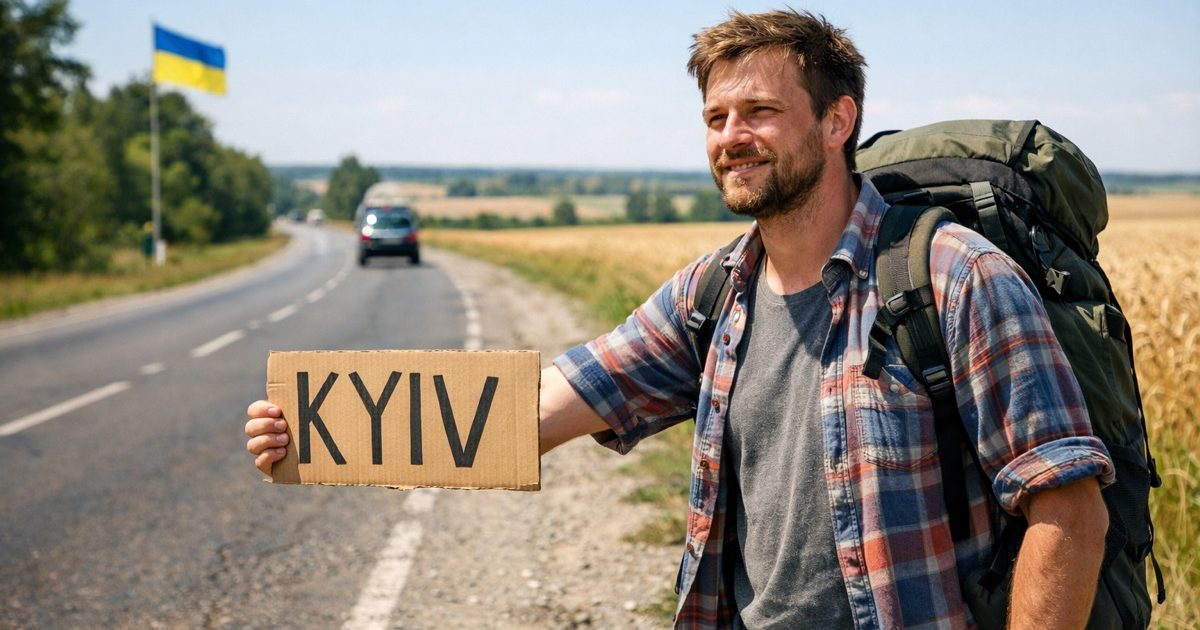
How Hitchhiking Works in Ukraine
Hitchhiking in Ukraine is known locally as “autostop” and, while it is not the most common way to travel, it is a recognized and fairly understandable practice among drivers and travelers. In 2026, it is still used by budget travelers, students, hikers, and people moving between cities or to remote areas where public transport is limited. The experience can vary a lot depending on the region, time of day, weather, and current road conditions.
In practice, hitchhiking usually means standing at the edge of a road with a clear destination written on a sign, or simply signaling to passing cars in safe, legal stopping places. Drivers may stop out of kindness, curiosity, or because they are going the same way and are open to sharing fuel costs. In some cases, especially on longer intercity routes, the arrangement is closer to informal ridesharing than classic hitchhiking, and a small contribution toward fuel may be expected even if it is not discussed upfront.. Rules of Entry to Ukraine
For Ukrainians, attitudes toward hitchhiking are generally practical rather than romantic. Many people consider it acceptable if the traveler looks prepared, polite, and cautious. Foreigners can also hitchhike, but being able to communicate basic Ukrainian or at least a few key phrases in Ukrainian or Russian often improves the chances of getting a ride and avoiding misunderstandings.
Is It Safe? Risks and Realistic Expectations
Hitchhiking in Ukraine can be relatively safe in the right conditions, but it is not risk-free. The main concerns are the same ones found in many countries: unpredictable drivers, poor road safety, night travel, fatigue, and the possibility of ending up far from your intended route. Road quality can also vary significantly, and on some roads drivers may move fast or stop in unsafe places. Your safety depends less on the concept of hitchhiking itself and more on your judgment about where, when, and with whom you travel.
The safest approach is to avoid hitchhiking at night, during severe weather, or in isolated areas with little traffic. It is also wise to avoid accepting rides from drivers who seem intoxicated, overly aggressive, or evasive about their destination. If you are traveling alone, especially as a woman, the usual precautions matter even more: share your route with someone, keep your phone charged, and trust your instincts if something feels off. We recommend combining hitchhiking with other transport options rather than relying on it as your only plan.
There are also situational risks related to the wider security environment in 2026. Travelers should check current travel advisories and local conditions before moving between regions, especially near border areas or places affected by military restrictions, checkpoints, or temporary road closures. What is safe on one route may be a poor choice on another, so local information matters more than general assumptions.
Best Practices Before You Ask for a Ride
Preparation makes hitchhiking much more effective and safer. Choose a spot where cars can see you well and stop without blocking traffic, such as the exit of a city, a gas station, a roadside service area, or a legal pull-off area. Avoid standing on highways where stopping is dangerous or prohibited. A clear sign with the destination or the next major town helps drivers decide quickly whether they can help.
Dress in a tidy, practical way and keep your backpack organized. Drivers are more likely to stop for someone who looks calm and easy to communicate with. Keep your valuables close, your passport stored securely, and your phone accessible. It is also smart to carry some cash, water, snacks, and a power bank, because a long wait or an unexpected detour is always possible.
Before entering a car, briefly confirm where the driver is going, whether they expect payment, and whether the route matches your plan. Sit where you feel comfortable, usually in the back seat if you are alone, and keep the conversation polite but not overly personal if that makes you uneasy. If the driver changes the route without explanation or makes you uncomfortable, ask to stop at a safe place and leave. Trusting your instincts is one of the most important skills for hitchhiking anywhere.
Good Routes, Timing, and Regional Differences
Some routes are much easier for hitchhiking than others. Intercity roads connecting major hubs tend to work better because there is more traffic and more drivers covering longer distances. Routes between large cities such as Kyiv, Lviv, Odesa, Dnipro, and Kharkiv can be workable, but success depends on road access, the exact starting point, and local traffic patterns. Roads leading to tourist regions, hiking areas, or popular weekend destinations may also be easier to use, especially on Fridays and Sundays when people are traveling for leisure.
In general, the best times are morning and early afternoon, when drivers are alert and traffic is active. Weekdays can be good for business routes, while weekends may be better for recreational travel. Holidays can be unpredictable: there may be more cars on the road, but also more congestion and fewer long-distance drivers. In rural areas, you may need patience because cars are less frequent, but drivers may be more willing to help once they see you are headed in the right direction.
Regional differences matter. In western regions, especially near tourist routes, hitchhiking may feel more familiar to locals and travelers. In larger cities, drivers may be more cautious and traffic conditions more complicated, so getting out to the city edge before trying to hitchhike often improves results. Near checkpoints, border zones, or sensitive infrastructure, expect stricter controls and be prepared to follow instructions from authorities.
Legal Considerations and When to Avoid Hitchhiking
Hitchhiking itself is not broadly banned in Ukraine, but the legality of where and how you do it matters. You should never stand or stop traffic in a place where pedestrians are not allowed or where vehicles cannot safely pull over. On some roads, especially high-speed routes, stopping may be restricted. If a driver offers you a ride, the issue is usually not the ride itself but whether the pickup or drop-off happens in a lawful, safe location.
Travelers should also be aware that police or road authorities may question unusual behavior near major roads, border areas, or sensitive sites. Carry identification, understand where you are going, and be ready to explain your travel plan calmly if asked. Foreign visitors should keep their passport, registration details if applicable, and any necessary travel documents accessible but secure.
Avoid hitchhiking if you are carrying expensive gear that makes you a target, if you are exhausted, if visibility is poor, or if local conditions are unstable. It is also not a good idea if you need to arrive at a fixed time, because waiting times can be long and unpredictable. In many cases, a bus, train, or shared taxi may be safer and more efficient. Hitchhiking works best as a flexible, low-budget option for experienced travelers who can adapt to changing conditions and make conservative safety choices.
Continue reading
All articles
Romantic Getaways in Ukraine: Best Destinations for Couples

Alcohol Laws in Ukraine: What Travelers Should Know

Foreign Embassies and Consulates in Ukraine: Complete Directory

Ukraine Weather and Climate: What to Expect Month by Month

Ukrainian Street Food: Best Cheap Eats for Travelers