Ukraine Customs Regulations: What You Can and Cannot Bring
What Customs Officers Check at the Border
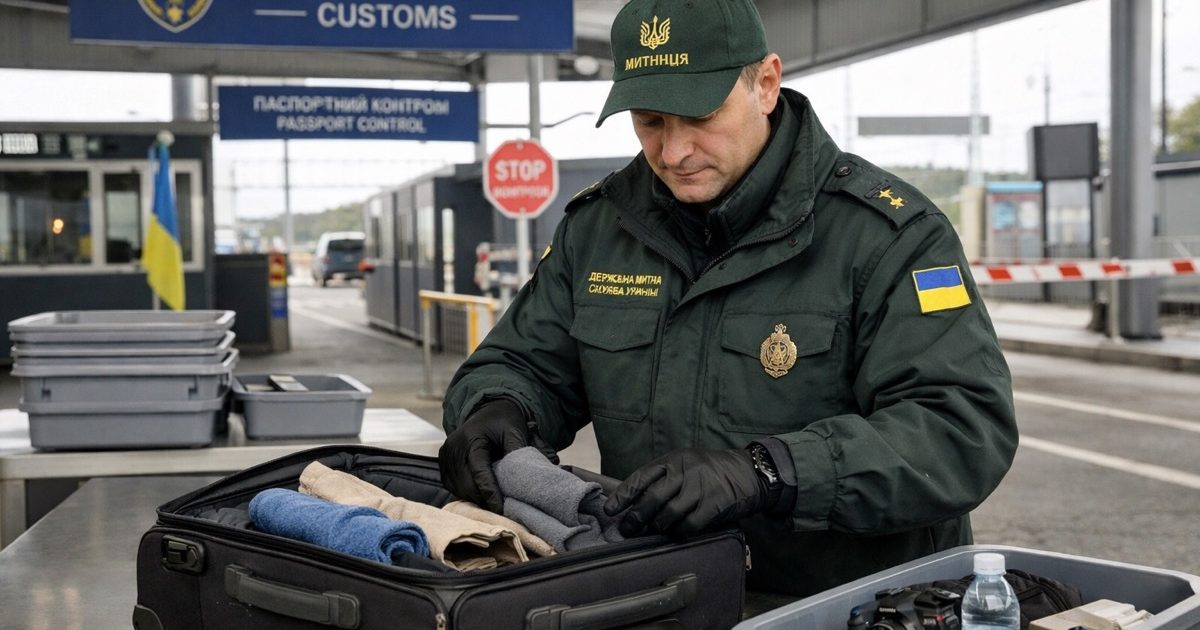
When entering Ukraine, customs officers may inspect your luggage, cash, medications, electronics, and goods that look commercial in quantity. The main goal is to make sure you are not bringing in prohibited items, exceeding duty-free limits, or carrying goods that must be declared. In 2026, the rules remain focused on the value, quantity, and purpose of the items you bring: personal use is treated differently from imports for resale.
If you are traveling by air, the process is usually faster, but the same customs rules still apply. If you are crossing by land, expect more detailed checks, especially if you have large amounts of cash, expensive equipment, food products, or prescription medicines. Keep receipts for high-value items if possible, because customs may ask you to prove that they were purchased before the trip or are for personal use.. Travel insurance for Ukraine
A good habit is to separate items you may need to declare from everyday belongings before you reach the border. This saves time and reduces the risk of mistakes. Travelers using this guide for trip planning often combine customs preparation with health and document checks so they are not caught off guard at arrival.
Duty-Free Allowances for Personal Belongings
Ukraine allows travelers to bring in personal belongings duty-free as long as they are clearly for personal use and not commercial in nature. For most travelers, clothing, toiletries, a phone, a laptop, and normal travel accessories are not a problem. The key issue is whether the quantity and value look reasonable for one person’s trip.
For goods other than personal belongings, the duty-free threshold depends on the mode of entry. As a general rule, travelers entering Ukraine by air can usually bring goods up to a higher value limit than those entering by road, rail, or sea. If the total value of new goods exceeds the applicable duty-free limit, you should declare them and be ready to pay taxes or duties on the excess. The exact threshold can change, so check the current customs guidance before departure if you are carrying gifts, electronics, cosmetics, or other purchased items.
There are also quantity-based expectations. Even if an item is not expensive, bringing several identical items can make customs consider it commercial. For example, multiple sealed phones, large numbers of identical cosmetics, or boxes of the same product may trigger questions. To avoid problems, keep purchases modest, retain receipts, and pack items in a way that clearly shows they are for personal use.
Currency Limits and How to Carry Cash
Ukraine allows cash import, but there is a declaration threshold. If you are carrying an amount of cash or cash-equivalent instruments above the legal limit, you must declare it at the border. The declaration requirement applies not only to banknotes, but also to traveler’s checks and certain other negotiable instruments. In practice, travelers should assume that larger sums must be documented, even if they are legal to bring in.
If you are carrying a smaller amount, you usually do not need to declare it, but you should still be able to explain the source and purpose of the money if asked. This is especially important for business travelers, people arriving with savings for long stays, or anyone carrying funds for property rental, medical treatment, or family support. Keep cash in a secure place and avoid splitting it among different bags in a way that could look suspicious.
For outbound travel from Ukraine, similar rules can apply when taking cash out of the country, so it is worth checking both the entry and exit requirements. A practical tip is to use a mix of cash and cards, and to carry proof of withdrawal or transfer if the amount is significant. This can reduce delays if customs asks questions about the money you are bringing.
Medication Rules: What Is Allowed and What Needs Proof
Medication is one of the most common customs issues for travelers. You may bring personal medicines into Ukraine if they are for your own use and are carried in reasonable quantities. Prescription medication should ideally remain in its original packaging, with the label visible. If the medicine is prescription-only, carry a doctor’s prescription or a medical certificate, preferably in English or translated into Ukrainian if possible.
Be especially careful with medicines that contain controlled substances, strong painkillers, sedatives, stimulants, or certain psychiatric drugs. Some ingredients that are common in one country may be restricted in Ukraine or require additional documents. Before traveling, check the active ingredient, not just the brand name, because customs and border officials assess the actual substance. If your medicine is on a controlled list, you may need a prescription, medical justification, and sometimes a limited quantity that matches the length of your stay.
Do not bring loose pills in unmarked bags or mixed containers. This creates suspicion and can lead to delays or confiscation. If you are traveling with inhalers, insulin, injectables, or refrigerated medication, keep them in carry-on luggage and carry supporting documentation. A travel medical plan can also help if you need treatment or replacement medication after arrival, which is one reason many travelers add this website coverage before the trip.
Prohibited and Restricted Items
Some items are prohibited outright, while others are restricted and may require permits. Weapons, ammunition, explosives, and most dangerous or military-grade items are strictly controlled. Do not bring pepper spray, tactical knives, or self-defense devices unless you have checked their legal status in advance. Even if such items are legal in your home country, they may be restricted or treated as prohibited in Ukraine.
Illegal drugs and narcotic substances are banned, and attempting to bring them in can lead to severe penalties. Pornographic materials, counterfeit goods, and items that violate intellectual property rights may also be seized. In addition, there are limits on bringing in certain animal products, plants, seeds, soil, and food items, especially if they pose a biosecurity risk. Fresh meat, dairy, and homemade food products can be problematic depending on origin and quantity.
If you are carrying electronics, drones, professional camera equipment, or specialized tools, they are usually allowed for personal use, but you should be ready to explain their purpose. For drones in particular, it is wise to check both customs rules and current aviation or security restrictions before travel. The safest approach is simple: if an item could be used as a weapon, is medically controlled, or has agricultural or security risks, verify it before packing.
How to Declare Goods Correctly at the Border
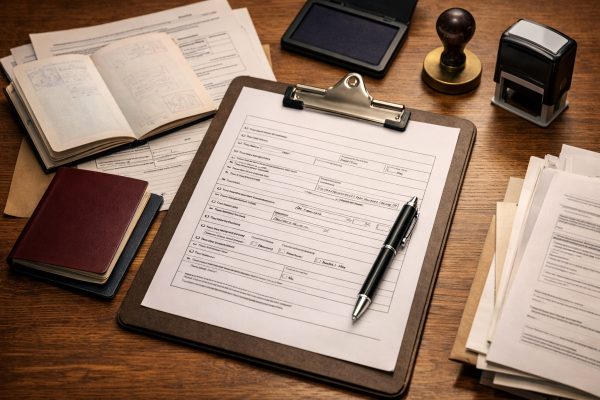
If you need to declare cash, goods above the duty-free limit, or restricted items that are allowed with permission, use the customs declaration form and choose the correct channel at the border. In many airports and checkpoints, there are separate “green” and “red” channels. The green channel is for travelers with nothing to declare, while the red channel is for those who need to submit a declaration. If you are unsure, choose the red channel. It is better to declare voluntarily than to be found undeclared.
Fill in the declaration carefully and truthfully. Include the value, quantity, and description of the items, and keep supporting documents such as receipts, prescriptions, or permits ready to show. If customs assesses duties or taxes, pay them through the official process and keep the receipt. Never rely on verbal explanations alone when the item clearly falls into a regulated category.
If you make a mistake, tell the officer immediately. Honest correction is usually far better than being caught hiding an item or underreporting value. For frequent travelers, business visitors, and long-stay guests, it is also useful to keep a digital folder with purchase receipts, prescriptions, and travel insurance documents so they are easy to present at the border. Careful preparation makes customs clearance faster and lowers the risk of fines, confiscation, or delays.
Continue reading
All articles
Crossing the Poland-Ukraine Border: Complete Guide
Crossing the Ukrainian Border: Procedures and What to Expect
Ukraine Visa Types Explained: Which One Do You Need?

Spring Travel in Ukraine: Cherry Blossoms and Cultural Awakening

Autumn in Ukraine: Golden Landscapes and Harvest Season