Ukraine Visa Types Explained: Which One Do You Need?
Visa-Free Travel to Ukraine: Who Can Enter Without a Visa?
For many travelers, the simplest way to visit Ukraine is through a visa-free regime. In 2026, citizens of numerous countries can enter Ukraine without a visa for short stays, typically for tourism, family visits, or short business trips. The exact allowed stay depends on your nationality and any bilateral agreements, so you should always check the current rules before booking tickets.
Visa-free entry usually does not mean unlimited travel. Most travelers are allowed to stay for a fixed number of days within a set period, and border officers may ask for proof of accommodation, return tickets, sufficient funds, and the purpose of the trip. If you plan to remain longer, work, study, or do anything beyond short-term visits, you will likely need a visa or another legal status.. Travel insurance for Ukraine
The most common mistake is assuming that visa-free travel covers every purpose. It generally does not. For example, if you come to Ukraine to work, study full-time, or stay for an extended period, you may need to apply for the appropriate visa in advance and complete further registration after arrival. Always confirm your category based on your passport, not on general advice from friends or forums.
Tourist and Short-Stay Visas: When You Need Them
If your nationality is not covered by visa-free entry, or if you need to enter for a short visit that does not fit the exemption rules, a tourist or short-stay visa may be required. These visas are usually intended for leisure travel, sightseeing, visiting friends or relatives, and other temporary non-working stays. In Ukraine, short-stay visas are commonly issued for a limited period and may allow one or multiple entries depending on your application and supporting documents.
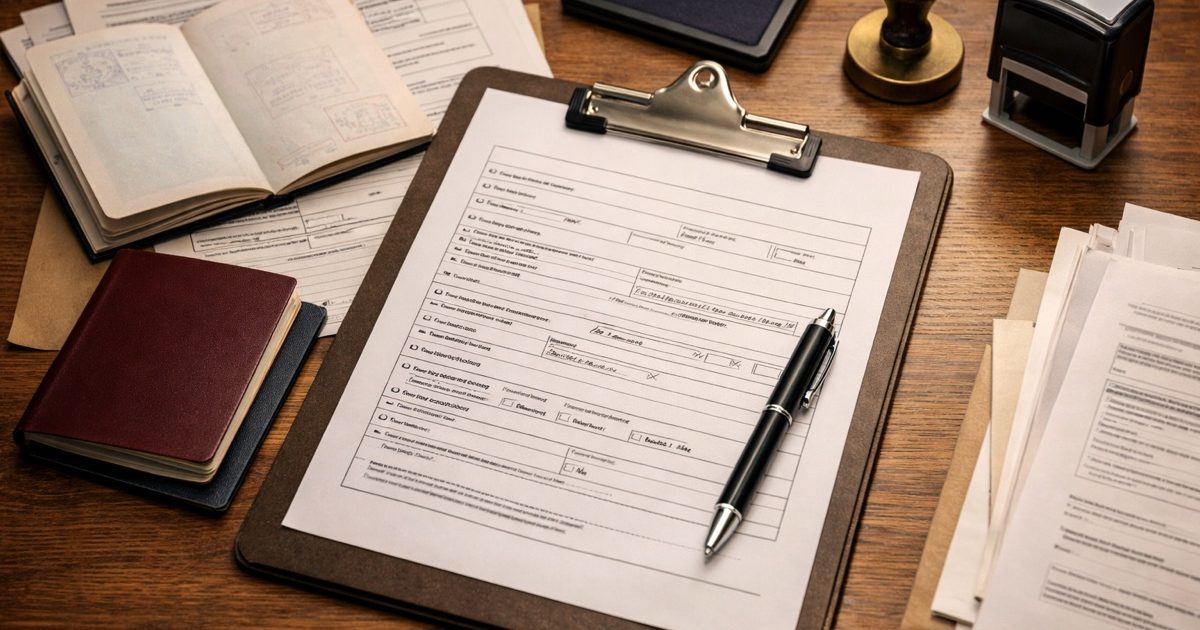
To apply, you usually need a passport valid long enough for the trip, a completed application, a photo, proof of travel purpose, and evidence that you can support yourself during the stay. Depending on your country of residence, the consulate may also request travel insurance, hotel reservations, an invitation letter, or proof of return travel. Processing times vary, so do not leave the application until the last minute.
If you are unsure whether a tourist visa is enough, consider your plans carefully. A short visit to attend a wedding, explore Kyiv or Lviv, or meet relatives may fit this category. But if you will attend paid events, sign contracts, or stay for several months, another visa type may be more appropriate. This site can help travelers think through the practical side of entry requirements, especially when trip plans are not straightforward.
Business, Work, and Student Visas: Choosing the Right Purpose
Business visas are for travelers coming to Ukraine for meetings, negotiations, conferences, trade fairs, contract discussions, or other professional activities that do not amount to local employment. These visas are often supported by an invitation from a Ukrainian company or organization. If your trip includes multiple meetings or recurring visits, ask whether a multiple-entry business visa is more suitable than a single-entry one.
Work is different from business travel. If you will be employed in Ukraine, you usually need a work permit arranged by the employer, and the visa category must match the employment purpose. A tourist or business visa does not authorize regular paid work in Ukraine. In practice, the employer’s documents, the work permit, and the visa application must align. If they do not, you risk delays, refusal, or problems after arrival.
Student visas are issued for people admitted to Ukrainian educational institutions for full-time or other approved study programs. You will normally need an official invitation from the university or school, proof of admission, and supporting documents requested by the consulate. After entering Ukraine, students may need to complete additional registration steps and obtain a residence-related document if the stay is longer than the visa validity. Because study plans often last longer than one visa period, it is important to coordinate your visa with the academic calendar and the institution’s instructions.
Ukraine’s Electronic Visa System: Faster, But Not for Everyone
Ukraine’s electronic visa, or e-visa, is designed to simplify entry for eligible travelers who do not need to visit a consulate in person. It is especially useful for short-term visits such as tourism, business, private trips, medical treatment, cultural events, or official activities, depending on eligibility. The application is usually completed online, with uploaded documents and payment made electronically.
The e-visa can save time, but it is not a universal solution. Eligibility depends on your citizenship, the purpose of travel, and the current list of countries allowed to use the system. Even if you qualify, you still need to meet all entry conditions: a valid passport, supporting documents, and proof that your trip matches the declared purpose. Border officials can refuse entry if your documents do not align with the information in the application.
If you are choosing between a consular visa and an e-visa, compare processing time, document requirements, and how many entries you need. E-visas are often convenient for straightforward short trips, but they may not be ideal for travelers who need longer stays, multiple entries, or employment and study purposes. Always keep a digital and printed copy of the approval with you when traveling.
How to Choose the Right Visa and Avoid Common Mistakes
The right Ukraine visa depends on three things: your nationality, the purpose of your trip, and how long you plan to stay. Start by checking whether you are eligible for visa-free entry. If not, decide whether your trip is tourism, business, work, study, or another specific purpose. Do not choose a visa based only on convenience, because using the wrong category can create problems at the border or during your stay.
Common mistakes include applying too late, submitting incomplete documents, booking non-refundable travel before approval, and assuming a visa for one purpose can cover another. Another frequent issue is ignoring passport validity rules. Many travelers need a passport that remains valid beyond the planned stay, and some applications require extra validity. You should also keep an eye on invitation letters, insurance requirements, and any changes to entry rules before departure.
A practical approach is to build your trip around the visa process, not the other way around. Check the official consular website, confirm the required documents, and allow enough time for processing. If your trip involves health coverage, delays, or unexpected changes, having suitable travel protection can make the journey less stressful. That is one reason many travelers use services like this website before departure, especially when trip dates, entry conditions, or medical coverage matter.
Continue reading
All articles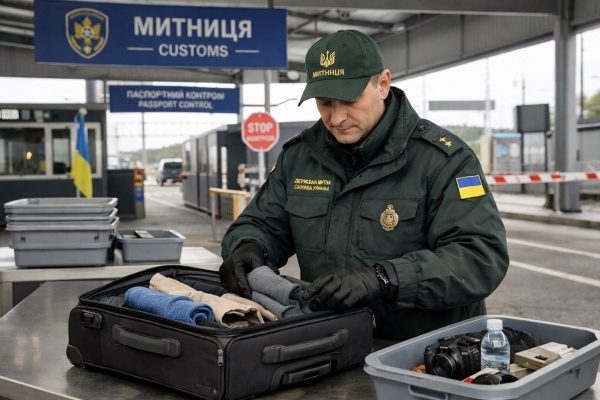
Ukraine Customs Regulations: What You Can and Cannot Bring
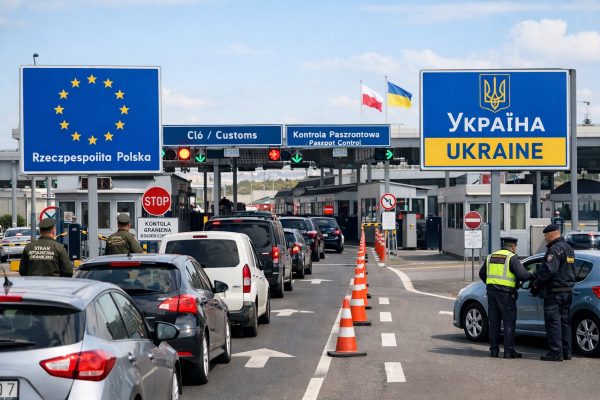
Crossing the Poland-Ukraine Border: Complete Guide
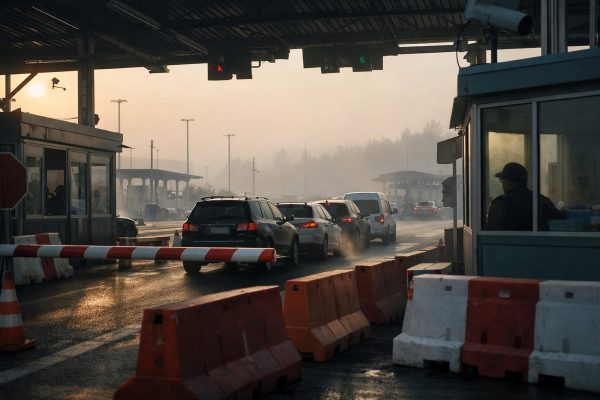
Crossing the Ukrainian Border: Procedures and What to Expect

Spring Travel in Ukraine: Cherry Blossoms and Cultural Awakening
Autumn in Ukraine: Golden Landscapes and Harvest Season