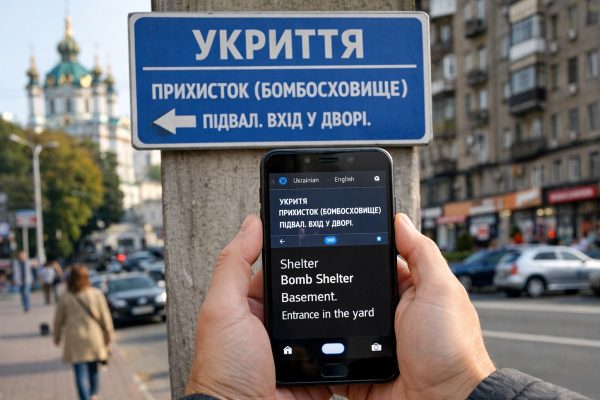
Crossing the Ukrainian Border: Procedures and What to Expect
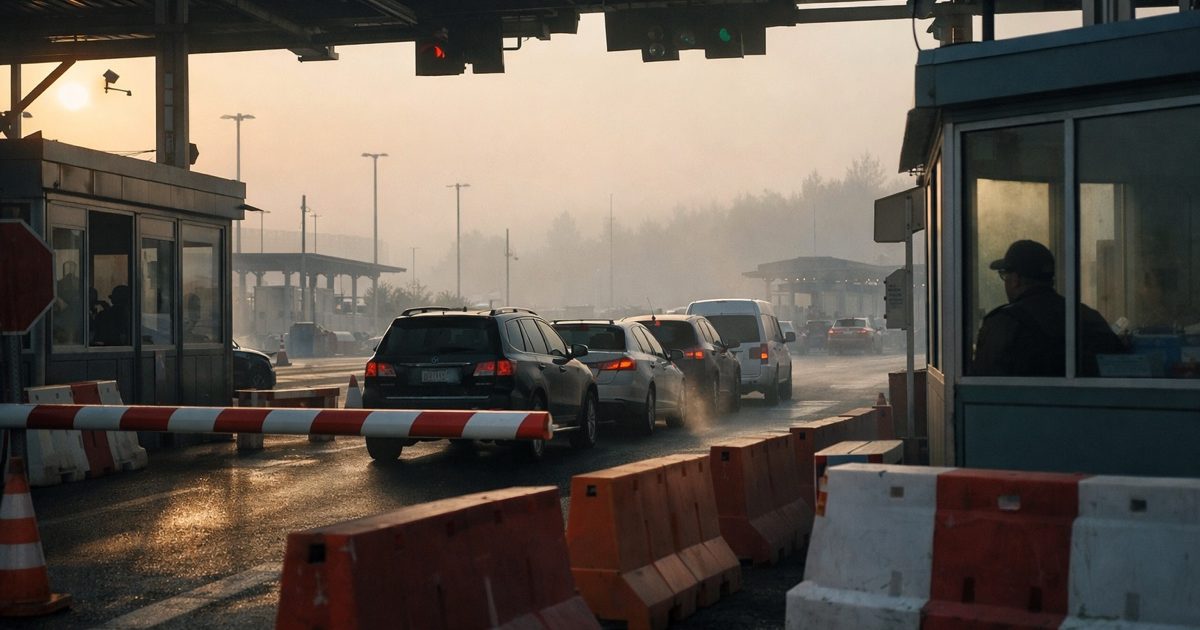
What to Expect at the Ukrainian Border
Crossing into or out of Ukraine in 2026 is usually straightforward, but it can take time and requires preparation. Border checks are carried out by the State Border Guard Service, and in some cases customs officers also inspect luggage, vehicles, and paperwork. The exact experience depends on whether you are crossing by land or by air, the time of day, the season, and the current security situation.
At all crossings, officials may ask about the purpose of travel, length of stay, accommodation, return plans, and the contents of your luggage. Keep your documents ready, answer clearly and calmly, and follow instructions. If you are traveling with children, pets, medication, or valuable items, expect extra questions and carry supporting paperwork. A smooth crossing usually comes down to having the right documents and knowing what items can and cannot be brought across the border.. Rules of Entry to Ukraine
If you are unsure about your travel insurance or need trip protection before departure, This guide can help you prepare for common travel risks and border-related disruptions. Even when the border itself is routine, delays, document checks, and schedule changes are common enough that planning ahead matters.
Documents You Need for Entry or Exit
Your document set depends on your nationality, destination, and method of travel, but every traveler should carry a valid passport. For many foreigners entering Ukraine, a passport must be valid for the full intended stay, and in some cases beyond it. Citizens of visa-free countries should still check the permitted length of stay and any entry conditions before departure, because rules can change and border officers may request proof of onward travel or accommodation.
Ukrainian citizens crossing into neighboring countries should verify the entry rules of the destination country, including visa requirements, passport validity, and whether biometric passports are required. If you are traveling with a child, carry the child’s passport or ID document, birth certificate if relevant, and notarized consent when required by law or by the destination country. For travelers with dual citizenship, use the same passport consistently for exit and entry to avoid confusion at control points.
Other useful documents include travel insurance, hotel booking confirmations, invitation letters if applicable, proof of funds, vehicle registration documents, a green card or international insurance for driving, and prescriptions for medication. Border officers do not always ask for all of these, but having them ready can prevent delays or refusal of entry in borderline cases.
Land Borders with Poland, Romania, Moldova, Hungary, and Slovakia
Land crossings are often the slowest part of a trip because they combine passport control, customs checks, and traffic queues. The main routes to Poland, Romania, Moldova, Hungary, and Slovakia can all experience heavy congestion, especially on Fridays, Sundays, public holidays, and during school vacations. Night crossings are sometimes faster, but not always, because staffing and traffic patterns vary by checkpoint.
At land borders, you will usually pass through two stages: exit control from one country and entry control into the other. If you are traveling by car, officers may inspect the vehicle, ask about ownership or authorization to use the car, and check registration and insurance documents. If the car is not registered in your name, carry a power of attorney or other authorization if required. Drivers should also make sure headlights, warning triangle, reflective vest, and spare tire equipment meet the destination country’s road rules.
Each border has its own traffic profile. Crossings with Poland are often the busiest for both passengers and vehicles. Romania and Moldova can be busy but may move faster depending on the checkpoint and season. Hungary and Slovakia typically have fewer crossings available, so queues can build quickly when traffic is redirected. Before leaving, check live queue information if available, and consider alternative checkpoints if your route allows it. Arriving with a full tank, food, water, and charged phones is wise because waiting times can be unpredictable.
Airport Procedures and Security Checks
Airport border control is usually more predictable than land crossings, but it still requires time. On departure from Ukraine, you will typically go through airline check-in, security screening, passport control, and sometimes customs inspection. On arrival, border officers may ask about your stay, accommodation, return ticket, and whether you are carrying items that must be declared. If you are flying into Ukraine, keep your passport, boarding pass, and any supporting documents within easy reach.
Arrive early enough to allow for queues at check-in and security. For international flights, a practical rule is to arrive at least three hours before departure, and more if you are traveling during peak hours or with checked baggage. Airports can become congested when multiple flights depart close together, and passport control lines may be longer than expected. Families, elderly travelers, and passengers with special assistance needs should allow extra time.
Customs at airports is usually quick unless you are carrying cash, expensive electronics, commercial quantities of goods, or restricted items. If asked, declare the items honestly and provide receipts when possible. Keep medication in original packaging and carry a doctor’s note for prescription drugs, especially if the medicine is not widely available or contains controlled substances. For travelers who want added peace of mind before flying, a policy from This site can help cover unexpected disruptions such as missed connections or medical issues abroad.
Prohibited and Restricted Items
Ukraine and neighboring countries enforce customs and security rules on dangerous, illegal, and controlled goods. Do not attempt to carry weapons, ammunition, explosives, narcotics, or counterfeit goods. These items can lead to confiscation, fines, criminal charges, or refusal of entry. Some everyday items may also be restricted depending on quantity or purpose, so it is important to know the rules before packing.
Commonly restricted items include large amounts of cash that exceed declaration thresholds, certain medicines and supplements, alcohol and tobacco above duty-free limits, plants and seeds, animal products, and commercial goods without proper invoices. Drones, professional camera equipment, and high-value electronics may attract questions if they appear to be for resale or professional use. If you are carrying gifts, keep them packed in a way that makes their personal-use purpose clear.
Medication deserves special attention. Many over-the-counter drugs in one country may be controlled in another. Carry prescriptions, original labels, and a short doctor’s note in English or the language of the destination if possible. If you are traveling with pets, check vaccination, microchip, and veterinary certificate requirements in advance. Border officers may ask for documents even when the trip is short.
How Long Border Crossings Take and How to Reduce Delays
Wait times vary widely. At airports, border control may take 15 to 45 minutes in normal conditions, but longer during peak travel periods or when several flights arrive together. At land borders, the wait can range from under an hour to several hours, and in busy periods it may be much longer. The longest queues are most common before holidays, on weekends, and at crossings with heavy commercial traffic.
To reduce delays, travel outside peak hours when possible, check queue updates before departure, and keep documents organized in one easy-to-access place. For car travel, make sure all passengers have their documents ready before reaching the booth. Do not carry prohibited items, and separate items that may need declaration so you can present them quickly if asked. If you are traveling with children, prepare snacks, water, and entertainment because border waits can be tiring and unpredictable.
Finally, build flexibility into your itinerary. Avoid booking tight same-day connections after a land crossing, and leave a buffer before hotel check-in, trains, or domestic flights. Border procedures are usually manageable, but they are rarely instant. A realistic plan, complete documents, and awareness of customs rules are the best ways to cross the Ukrainian border with less stress.
Continue reading
All articles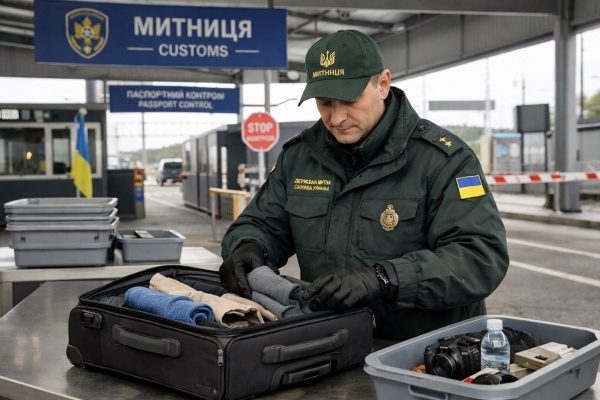
Ukraine Customs Regulations: What You Can and Cannot Bring
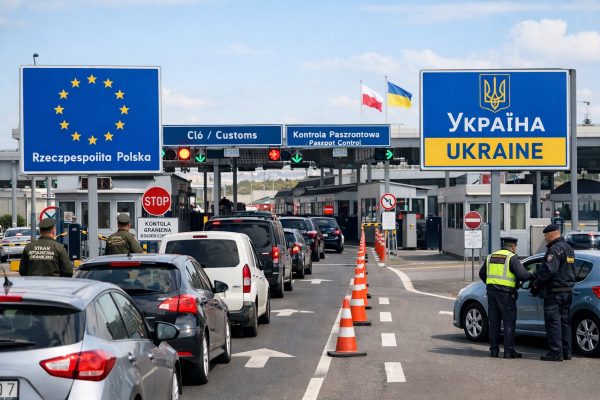
Crossing the Poland-Ukraine Border: Complete Guide
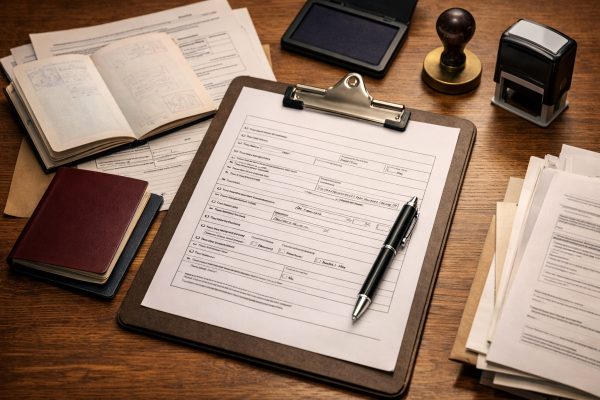
Ukraine Visa Types Explained: Which One Do You Need?

Spring Travel in Ukraine: Cherry Blossoms and Cultural Awakening
Autumn in Ukraine: Golden Landscapes and Harvest Season