Crossing the Poland-Ukraine Border: Complete Guide
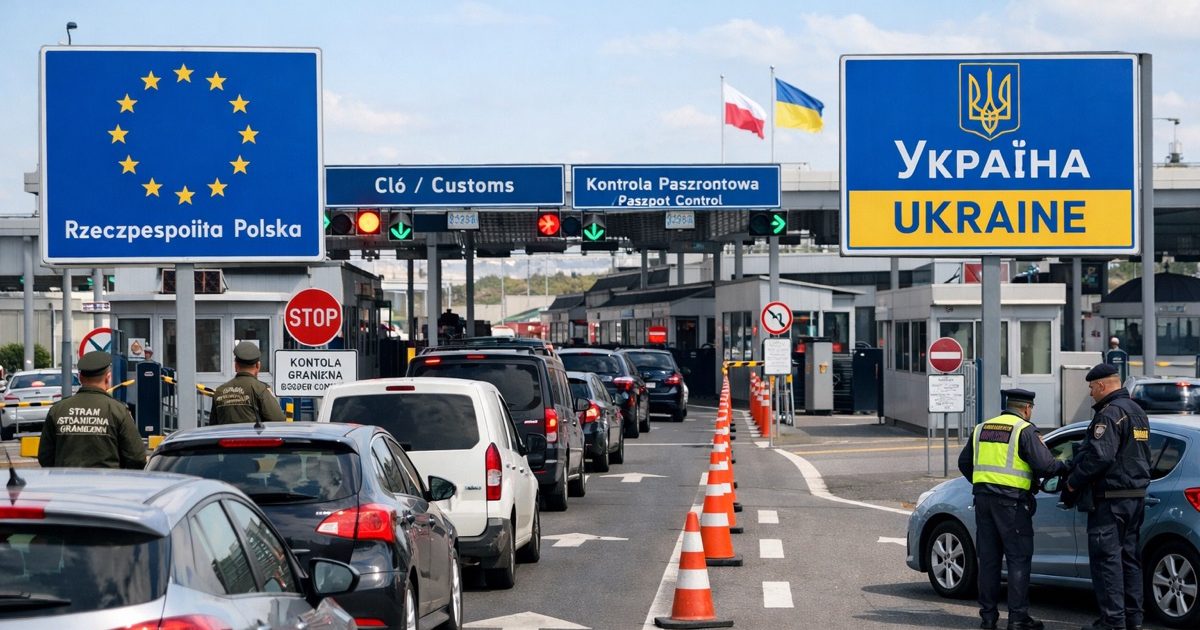
Main Poland-Ukraine border crossings
The Poland-Ukraine border is one of the busiest land routes in Eastern Europe, and the best crossing point depends on where you are starting and where you need to go next. The main road checkpoints are Dorohusk-Yahodyn, Hrebenne-Rava-Ruska, Korczowa-Krakovets, Medyka-Shehyni, and Budomierz-Hrushiv. For rail travelers, major train crossings are available on selected international routes, but schedules can change, so always verify in advance.
If you are traveling by car or bus, choose the checkpoint that matches your route rather than the one that looks shortest on the map. For example, Korczowa-Krakovets is often convenient for travelers heading to Lviv, while Dorohusk-Yahodyn may be better for those coming from central Poland. Medyka-Shehyni is popular for pedestrians and local traffic, but it can also be one of the most crowded. Border conditions in 2026 remain dynamic, so check official border and transport updates on the day of travel.. Travel insurance for Ukraine
Documents you need to cross
For most travelers, the basic requirement is a valid passport. Citizens of EU countries, the UK, the US, Canada, and many other nationalities may enter Ukraine visa-free for short stays if they meet the usual entry conditions, but rules depend on citizenship, purpose of travel, and length of stay. Ukrainians returning from Poland should carry a valid Ukrainian passport or other accepted travel document. Children need their own documents, and in some cases notarized consent may be required if one parent is traveling alone with a minor.
If you are entering Ukraine by car, bring vehicle registration documents, proof of insurance, and the driver’s license valid for the countries you will pass through. An International Driving Permit is not always mandatory, but it is strongly recommended if your license is not in Latin script. If you are a foreign visitor, keep proof of accommodation, return or onward travel, and sufficient funds available, since border officers may ask for supporting documents. Travel insurance is not always checked at the border, but it is a smart safeguard, especially for medical care and trip disruption. This site can help travelers compare coverage options before departure.
How long the border crossing takes
Wait times at the Poland-Ukraine border vary widely. On a quiet day, a car crossing may take one to three hours, while on busy weekends, holidays, or during school breaks, the same crossing can take much longer. Bus passengers sometimes move faster than private cars because group processing can be more organized, but this is not guaranteed. Pedestrian crossings can also be slow if many people are traveling with luggage or if there are extra checks.
The biggest delays usually happen in the afternoon and evening, before holidays, and after long weekends. Winter weather, road works, and temporary traffic restrictions can also affect processing times. If possible, cross on a weekday and arrive early in the morning. Do not assume the fastest route is always the best; a checkpoint with fewer lanes may still be quicker if traffic is lighter. For real-time planning, use official border queue information and recent traveler reports, but treat social media estimates cautiously because conditions change quickly.
Transport options: car, bus, train, or on foot
Traveling by bus is the simplest option for many passengers because operators handle route planning and often include the border stop in the schedule. However, bus delays can be significant if the queue is long, and you should avoid booking tight connections after arrival. Private car travel gives you more flexibility, but it also means you are responsible for documents, road rules, fuel planning, and possible insurance issues. If you drive, make sure your vehicle is in good condition and that your insurance is valid in both countries.
Trains can be a comfortable alternative on routes where international service is operating, especially if you want to avoid road congestion. Still, rail schedules are limited and may change seasonally, so confirm departure times directly with the operator. Crossing on foot is common at selected checkpoints, especially near Medyka-Shehyni, but it is not always the fastest choice once you factor in luggage and onward transport. After crossing, local taxis, shuttle buses, and regional trains may be available, but prices can rise near the border, so agree on the fare in advance or use official apps when possible.
Practical advice for a smoother crossing
Prepare your documents before you reach the checkpoint so you are not searching through bags at the front of the line. Keep passports, vehicle papers, insurance, and accommodation details in an easy-to-access folder. If you are traveling with children, elderly relatives, or pets, allow extra time and carry all supporting documents, including veterinary papers for animals where required. Pack snacks, water, phone chargers, and warm clothing, because border delays can be unpredictable and facilities may be limited.
Be honest and concise when answering border officers’ questions. Do not joke about prohibited items, and do not carry goods that may be restricted, such as large quantities of alcohol, tobacco, cash over declaration limits, or undeclared commercial merchandise. Check customs rules before departure, especially if you are bringing medicines, electronics, or gifts. If you are crossing during a period of heightened traffic or security controls, have a backup plan for overnight stays and onward transport. The safest strategy is to leave extra time, monitor official updates, and keep your itinerary flexible. A little preparation can turn a stressful border day into a manageable one.
Continue reading
All articles
Ukraine Customs Regulations: What You Can and Cannot Bring
Crossing the Ukrainian Border: Procedures and What to Expect
Ukraine Visa Types Explained: Which One Do You Need?

Romantic Getaways in Ukraine: Best Destinations for Couples
Alcohol Laws in Ukraine: What Travelers Should Know