Banking in Ukraine for Foreigners: Opening Accounts and Money Transfers
Which banks and account types are practical for foreigners
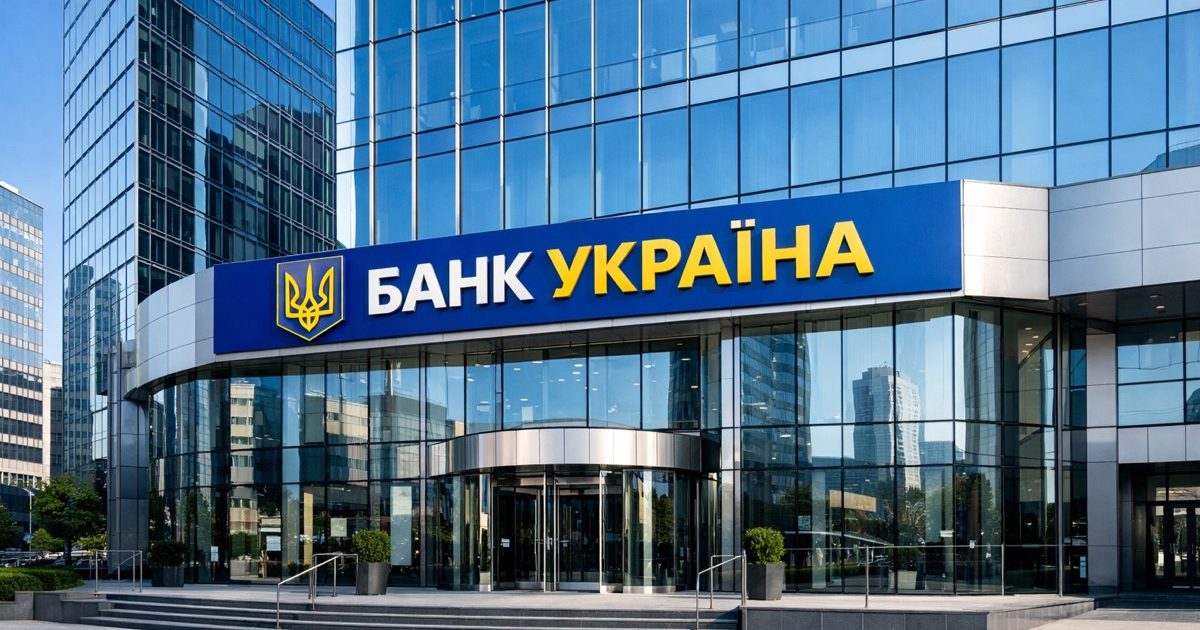
Ukraine has a modern banking sector with several large banks that are commonly used by foreigners, including PrivatBank, monobank (through its partner banks), OTP Bank, Raiffeisen Bank, UkrSibbank, and PUMB. For most visitors, the most practical choice is a bank with a strong mobile app, English-language support, and a wide ATM network. If you plan to stay only a few weeks, you may not need a full local account at all; in many cases, a foreign card plus cash in hryvnia is enough for everyday spending.
If you are staying longer, studying, working, or handling rent and utility payments, opening a local current account can be useful. Some banks offer accounts for non-residents, but the exact conditions vary. In 2026, banks usually prioritize compliance checks, so the process is more straightforward for people who can clearly show their legal basis for staying in Ukraine, such as a visa, temporary residence permit, work contract, or study documents. Business accounts and accounts for sole entrepreneurs have separate rules and are more document-heavy.. Ukraine entry requirements
Choose a bank based on three practical factors: branch access near where you live, card and cash withdrawal fees, and the quality of the mobile app. For foreigners, the app often matters more than the branch because many routine tasks, such as transfers, card controls, and bill payments, are done digitally.
What documents foreigners usually need to open an account
Requirements differ by bank, but most institutions ask for a passport and proof of legal stay in Ukraine. That may include a visa, residence permit, migration card if applicable, registration of place of stay, or another document confirming your status. Banks may also request your taxpayer identification number in Ukraine, especially if you plan to receive salary, pay taxes, or use certain financial services. If you do not have one, ask the bank whether it can be obtained before or after account opening.
Some banks may ask for a local phone number and a Ukrainian address. For non-residents, additional checks are common: the bank may ask about the source of funds, purpose of the account, expected monthly turnover, employer details, or proof of studies. This is not unusual and is part of anti-money-laundering compliance. Bring originals and, if possible, copies of key documents. If your passport is not in Latin script or Ukrainian, a bank may ask for a notarized translation in some cases, although many large banks can process common passports without translation.
A useful tip is to call or chat with the bank before visiting a branch and ask for the exact non-resident checklist. This saves time because requirements can differ between branches and between account types. If you are opening an account soon after arrival, make sure your SIM card is activated and your phone can receive SMS or app-based verification codes.
How the account opening process usually works
For many foreigners, opening a basic card account starts with a branch visit, identity verification, and signing the customer agreement. Some banks allow a partial online start, but non-residents often still need to complete the final verification in person. The bank employee may ask where the money will come from, how often you will use the account, and whether you need cash withdrawals, online purchases, or international transfers. Clear answers help avoid delays.
After approval, you will usually receive a debit card and access to internet banking and the mobile app. Activation may happen immediately or within a few hours. In some cases, the bank issues the card in the branch; in others, you may need to wait for production. Keep in mind that card limits, cash withdrawal limits, and transfer limits may be lower for new customers until the bank gains more transaction history.
If you are in Ukraine for work, ask whether your employer can pay salary to the chosen bank. If you are a student, check whether the university has a preferred bank for stipend or tuition-related payments. For people renting accommodation, local bank cards can make monthly payments easier, but always verify the landlord’s preferred method and keep payment records.
Mobile banking apps and daily use
Ukraine is one of the most app-driven banking markets in the region. Many everyday tasks can be done from a smartphone: checking balances, freezing a card, changing spending limits, paying utilities, topping up mobile service, and sending transfers to other Ukrainian banks. Privat24, monobank, Raiffeisen Online, OTP Smart, and PUMB Online are among the apps many users mention. English support varies, so check the interface language before choosing a bank if you do not read Ukrainian.
For foreigners, the most useful app features are card controls, push notifications, exchange-rate display, and quick P2P transfers. Some apps also support Apple Pay and Google Pay, which can reduce the need to carry cash. However, not all features are available to every customer, and some banks restrict certain services until full identity verification is completed. If you are using a foreign phone number, confirm whether it works for login and alerts, or whether you must use a Ukrainian SIM.
Be careful with public Wi-Fi when accessing banking apps. Use two-factor authentication, strong device passwords, and official app stores only. If you lose your phone, contact the bank immediately to block access. this website also recommends keeping a backup payment method, such as a second card or a small cash reserve, because network outages or card-processing issues can happen anywhere.
International transfers, currency exchange, and fees
Foreigners often need to send money into Ukraine or move funds abroad. The most common options are SWIFT transfers, card-to-card transfers, and specialized money transfer services. SWIFT is usually better for larger amounts or transfers tied to rent, tuition, or business payments, but it can be slower and may involve correspondent bank fees. Card transfers are faster for smaller personal payments, but limits and fees can vary significantly by bank and by the issuing country of the foreign card.
When receiving money from abroad, ask the bank what details are required: recipient name exactly as in the passport, account number or IBAN, bank SWIFT code, and sometimes the purpose of payment. Small formatting mistakes can delay a transfer. If you are sending money from Ukraine abroad, be aware that restrictions may apply depending on current regulations, the transfer purpose, and the currencies involved. Banks in 2026 continue to follow strict compliance checks, so large or unusual transactions may require supporting documents such as contracts, invoices, or proof of family relationship.
For cash exchange, use licensed exchange offices or bank branches rather than informal street exchangers. Compare rates before changing larger sums, because the spread between buy and sell prices can be meaningful. If you plan to convert money regularly, ask the bank whether it offers better rates through the app than at the branch. Also check whether incoming foreign transfers are credited in hryvnia or foreign currency, since that affects the final amount you receive.
Common problems and how to avoid them
The most common issue for foreigners is incomplete documentation. If a bank asks for proof of residence, source of funds, or a local tax number, do not treat it as a sign of trouble; it is usually a standard compliance step. Another frequent problem is assuming that a foreign card will work everywhere. Some terminals may reject certain cards, especially if the issuer blocks online or cross-border payments. Test your payment methods early and keep a backup plan.
Watch for transfer delays caused by mismatched names, incorrect IBANs, or unsupported payment purposes. Double-check all details before confirming a transfer. If you are expecting money from abroad, ask the sender to include the exact purpose and beneficiary details requested by your bank. Keep screenshots, receipts, and bank statements for important payments such as rent, tuition, or medical expenses.
Finally, remember that banking rules can change quickly. Before opening an account or arranging a major transfer, confirm the latest requirements directly with the bank. If your trip or stay in Ukraine depends on access to funds, plan ahead and keep emergency cash or an alternative card available. A little preparation can save hours at the branch and reduce the risk of payment interruptions during your stay.
Continue reading
All articles
Tipping in Ukraine: How Much, When, and Where
Budget Travel in Ukraine: How to Explore on $30-50 Per Day
Ukrainian Hryvnia: A Complete Currency Guide for Travelers

Romantic Getaways in Ukraine: Best Destinations for Couples

Alcohol Laws in Ukraine: What Travelers Should Know