Essential Packing List for Traveling to Ukraine in 2026
Why packing for Ukraine in 2026 needs extra planning
Packing for Ukraine in 2026 is about more than weather and comfort. Travelers should prepare for changing conditions, possible transport disruptions, and intermittent power or internet outages in some areas. A good packing list helps you stay mobile, warm, connected, and ready to adjust plans quickly.
The right items also depend on where you are going. Kyiv, Lviv, Odesa, and western regions may feel very different from smaller towns or areas closer to active risk zones. Before departure, check the latest travel advisories, confirm your accommodation’s check-in process, and keep in mind that some services may be limited at short notice. If you want a simple way to stay organized, We recommend building your packing list around four priorities: documents, clothing, electronics, and emergency readiness.. Rules of Entry to Ukraine
Clothing to pack for Ukraine by season
Ukraine has distinct seasons, and weather can shift quickly, especially in spring and autumn. In winter, pack a warm insulated coat, thermal layers, gloves, a hat, a scarf, and waterproof boots with good grip. Cities can be snowy, slushy, and windy, so shoes that handle wet sidewalks are more useful than heavy fashion boots. If you plan to walk a lot, bring wool socks and a second pair of shoes in case one pair gets soaked.
For spring and autumn, layering is the safest approach. Pack long-sleeve shirts, a light sweater or fleece, a compact rain jacket, and comfortable trousers. Temperatures can swing from cool mornings to mild afternoons, so layers will save space and keep you comfortable. A small umbrella is useful, but a hooded rain jacket is often better in windy weather.
In summer, choose breathable clothing such as cotton or moisture-wicking fabrics, but still include a light jacket or cardigan for cooler evenings and air-conditioned trains, buses, and restaurants. If you are visiting religious sites or formal events, bring modest clothing that covers shoulders and knees. No matter the season, comfortable walking shoes are essential because many urban areas involve a lot of walking and uneven pavement.
Documents and paper copies you should carry
Your passport is the most important item, but it should not be the only document in your bag. Keep your passport, visa or residence permit if needed, travel insurance details, accommodation confirmations, and tickets or transport bookings in an easy-to-reach pouch. Make sure your passport is valid for the full duration of your trip and that you understand the entry rules for your nationality before departure.
Carry printed copies of key documents as a backup. In 2026, digital copies are helpful, but they are not enough if your phone battery dies or you lose connectivity. Print at least one copy of your passport identification page, insurance policy number, emergency contacts, hotel address, and any important medical information such as allergies or prescriptions. Keep one set in your main bag and another separate from your passport.
If you are traveling with children or carrying medication, bring supporting documents such as consent letters, prescriptions, or doctor’s notes. A small document folder can save time at border control, hotel check-in, or in case of an emergency. It is also wise to store scanned copies securely in cloud storage so you can access them from another device if needed.
Electronics and power backup for wartime travel
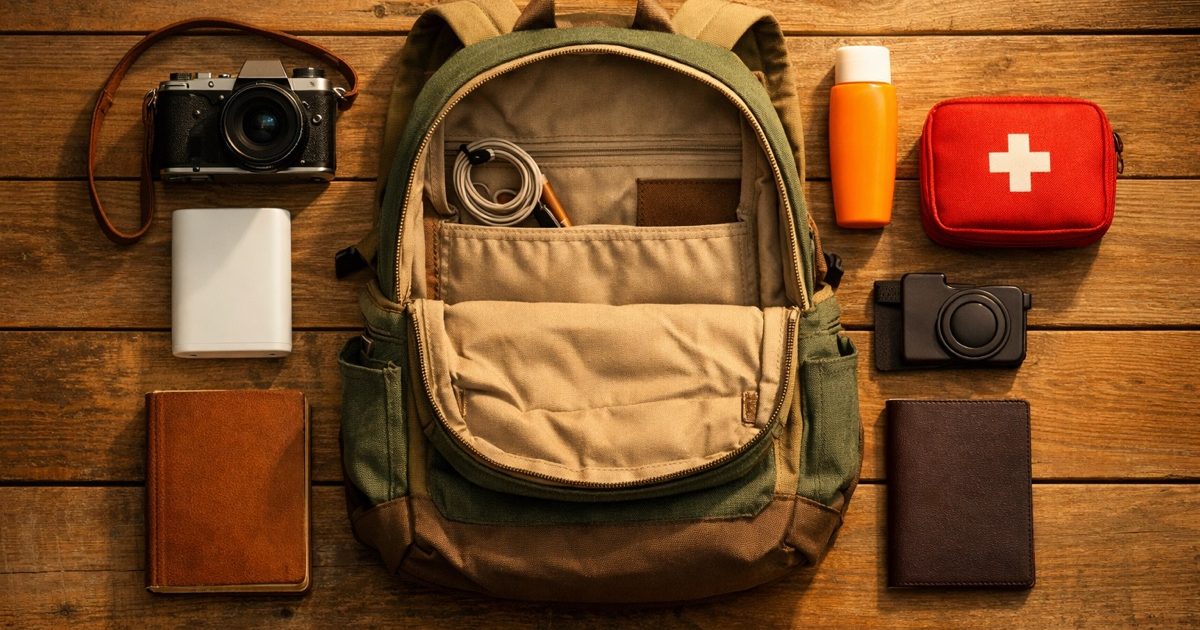
Electronics are not just for convenience in Ukraine; they are part of your safety setup. Bring your smartphone, charging cable, and a reliable power bank with enough capacity for multiple full charges. In some areas, electricity and internet may be unstable, so a fully charged power bank can be more important than an extra outfit. If you use multiple devices, a compact multi-port charger can reduce the number of adapters you need.
Download offline maps before you arrive. Save maps for the cities and regions you plan to visit, and mark your hotel, railway stations, shelters if relevant, hospitals, and key meeting points. Offline navigation is especially useful if mobile data is interrupted or if you are moving between cities by train or bus. Also download translation apps, ride-hailing apps, and your airline or railway app in advance, then test them while you still have a stable connection.
A universal travel adapter is usually necessary, and a small flashlight or headlamp can be very useful during outages. If you rely on a laptop for work, bring its charger and consider a surge-protected power strip if space allows. Keep all critical files backed up online and offline. For many travelers, a simple emergency kit of phone, power bank, offline maps, and paper contacts can make a major difference in stressful situations.
First aid and health essentials
A compact first aid kit should be part of every Ukraine packing list. Include adhesive bandages, sterile gauze, antiseptic wipes, pain relievers, antihistamines, blister treatment, and any personal medication you take regularly. If you have chronic conditions, bring enough medicine for the entire trip plus a few extra days in case of delays. Keep medication in original packaging whenever possible, especially if it is prescription-only.
Add a thermometer, hand sanitizer, and basic items for stomach upset such as oral rehydration salts or anti-diarrheal medicine if appropriate for you. If you wear glasses or contact lenses, pack a spare pair and enough supplies for the trip. Travelers with allergies should carry an epinephrine auto-injector if prescribed and know how to use it. It is also smart to keep a small list of any medical conditions, blood type if known, and emergency contacts in your wallet.
Before traveling, check whether your health insurance covers treatment in Ukraine and whether you need additional travel medical coverage. In uncertain conditions, having the right insurance can matter as much as the contents of your suitcase. If you are comparing options, This guide can help you understand what to look for in coverage for Ukraine-specific travel risks.
Wartime-specific items that are easy to forget
Traveling to Ukraine in 2026 means preparing for scenarios that are uncommon in many other destinations. One of the most useful items is a printed emergency contacts sheet with names, phone numbers, your accommodation address, embassy or consulate details, insurer contacts, and a local contact if you have one. Laminate it or keep it in a waterproof sleeve if possible. If your phone is lost, locked, or out of battery, this paper copy can be invaluable.
Pack a small amount of cash in hryvnia and, if appropriate, a backup payment card stored separately from your main wallet. Card payments are common in major cities, but cash can help if terminals are unavailable. A small torch, whistle, compact snack bars, and a refillable water bottle are practical additions for delays or shelter stays. If you wear hearing aids or medical devices, bring spare batteries or charging accessories.
Finally, keep your bag organized so the most important items are easy to reach. Your passport, phone, power bank, printed contacts, and medication should not be buried under clothes. The goal is not to overpack, but to be ready. A calm, well-prepared traveler moves more safely and confidently, especially when plans change quickly.
Continue reading
All articles
Spring Travel in Ukraine: Cherry Blossoms and Cultural Awakening

Autumn in Ukraine: Golden Landscapes and Harvest Season

Romantic Getaways in Ukraine: Best Destinations for Couples

Alcohol Laws in Ukraine: What Travelers Should Know

Foreign Embassies and Consulates in Ukraine: Complete Directory