Kyiv Travel Guide: What to See and Do in Ukraine’s Capital
Why Kyiv Is Worth Visiting
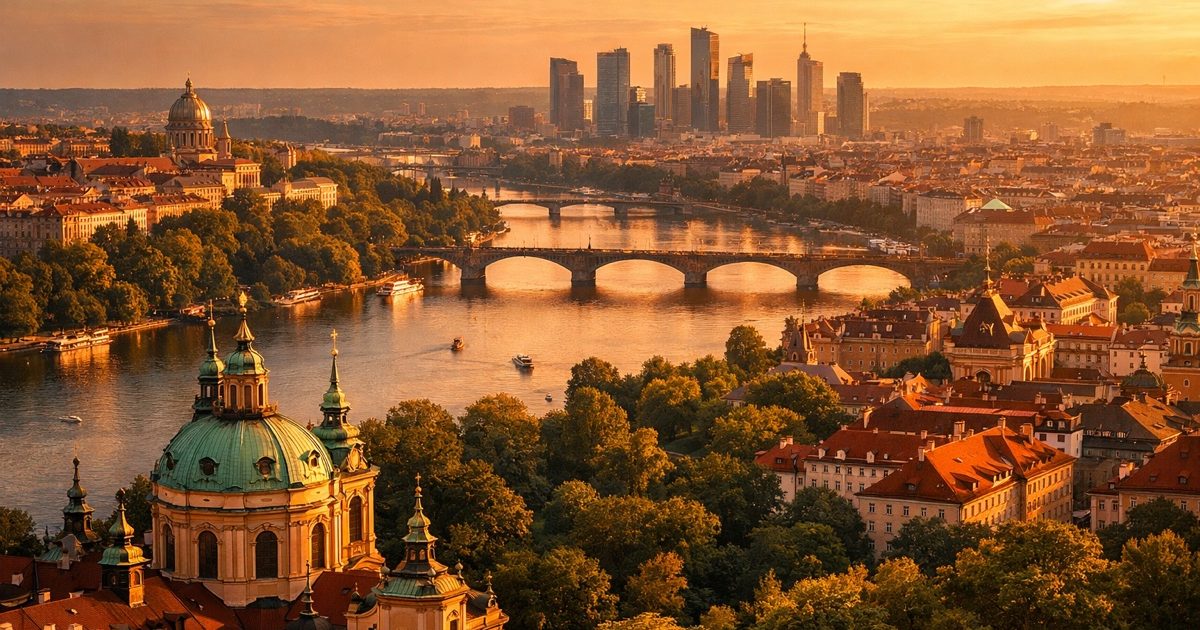
Kyiv is one of Europe’s most distinctive capitals: a city of golden domes, wide boulevards, river views, creative neighborhoods, and deep historical layers. For travelers, it offers a rare mix of monumental architecture, lively cafés, strong cultural institutions, and a local scene that feels both resilient and forward-looking. Even in 2026, Kyiv remains a meaningful destination for visitors who want to understand modern Ukraine beyond headlines.
The city is large, varied, and best explored with a plan. The historic center is compact enough for walking, but many of Kyiv’s best experiences are spread across hills, riverbanks, and different districts. You can spend a morning at a monastery, an afternoon in a contemporary art space, and an evening in a restaurant or bar district without leaving the city.. Ukraine entry requirements
If it is your first time in Ukraine, Kyiv is usually the easiest place to start. It has the country’s main airport connections, the broadest selection of hotels, and the most developed visitor infrastructure. For practical travel support and insurance guidance, This site can help travelers prepare before departure and stay informed during the trip.
Top Attractions and What to See
Start with Kyiv Pechersk Lavra, one of the city’s most important landmarks. This UNESCO-listed monastery complex is known for its churches, caves, and panoramic views over the Dnipro River. Nearby, the National Museum of the History of Ukraine in the Second World War and the Motherland Monument area give context to the country’s 20th-century history and current identity.
Another essential stop is St. Sophia’s Cathedral, a masterpiece of medieval Eastern Christian architecture with remarkable mosaics and frescoes. From there, walk toward St. Michael’s Golden-Domed Monastery and the historic center around Independence Square, or Maidan Nezalezhnosti. This area is central to modern Ukrainian civic life and a good place to understand the city’s recent history.
For a more relaxed experience, visit Podil, one of Kyiv’s oldest and most atmospheric neighborhoods. It has cobblestone streets, riverfront access, independent cafés, galleries, and a strong local feel. On weekends, Andriivskyi Descent is popular for its churches, souvenir stalls, and art spaces. If you want a quieter, greener break, the botanical gardens and river embankments are good options, especially in spring and early summer.
Best Neighborhoods for Different Types of Travelers
Kyiv’s neighborhoods each have a different rhythm, so where you stay can shape your trip. The city center around Khreshchatyk, Maidan, and nearby streets is the most convenient for first-time visitors. It gives easy access to major sights, metro stations, restaurants, and government or business districts, though it can feel busy and more formal than other areas.
Podil is often the best choice for travelers who want character and nightlife. It is walkable, full of cafés and bars, and close to the river and funicular. The atmosphere is creative and relaxed, and many visitors find it easier to spend time there than in the more traffic-heavy central avenues. If you prefer a residential, stylish, and slightly quieter base, look at Pechersk or Lypky, which are central but less tourist-oriented.
For longer stays, neighborhoods like Obolon or areas near the Dnipro riverfront can be attractive if you want more space and a local pace. Families often prefer districts with easier access to parks and supermarkets. No matter where you stay, check how close you are to a metro station and a shelter option, since that matters more in Kyiv than in many other European capitals.
Getting Around Kyiv Efficiently
Kyiv’s metro is the fastest and most reliable way to move around the city. It connects the main districts well and is especially useful during rush hour, when traffic on the roads can be heavy. Stations are clearly marked, fares are low by European standards, and the system is easy to use once you learn the route colors and transfer points.
Taxis and ride-hailing apps are widely available and usually the best option for late evenings, airport transfers, or areas not well served by metro. Use reputable apps rather than hailing random cars on the street. If you are traveling with luggage or in winter, a taxi can save time, but allow extra time for traffic, especially near the center and bridges.
Walking is rewarding in compact areas like the historic center, Podil, and around the upper city, but Kyiv is hilly and distances can be deceptive. Public buses, trams, and trolleybuses fill gaps, though they are less intuitive for first-time visitors. If you plan to use public transport often, keep a charged phone, offline maps, and some payment flexibility in case of temporary network or power issues.
When to Visit and What to Expect
The best times to visit Kyiv are late spring and early autumn. From May to June, the city is green, comfortable for walking, and lively without being overly hot. September and early October are also excellent, with pleasant weather and fewer extremes. These periods are ideal for sightseeing, outdoor cafés, and river views.
Summer can be enjoyable, but July and August may be hot and busy, and air-conditioned indoor spaces become more appealing. Winter is atmospheric, especially around the holidays, but it can be cold, dark, and less predictable for outdoor plans. If you visit in winter, build in indoor activities such as museums, restaurants, and cultural venues.
Because conditions can change, check local schedules before you go. Some attractions may have adjusted opening hours, and certain events can be postponed. In 2026, flexibility is still important: book accommodations with clear cancellation policies, and avoid planning overly tight itineraries. If you are entering Ukraine from abroad, make sure your documents, insurance, and communication tools are ready before arrival.
Safety, Martial Law, and Practical Tips
Travelers should understand that martial law remains in effect in Ukraine in 2026, and that affects daily life in Kyiv. Follow official local guidance, respect curfews if they are in place, and know the location of the nearest shelter at your accommodation and major places you visit. Install reliable alert apps, keep your phone charged, and carry a power bank. If an air alert sounds, move promptly to shelter and wait for the all-clear.
Choose accommodation with clear safety procedures, such as interior shelter access or a nearby protected area. Ask your hotel or host how alerts are communicated and what to do at night. It is also wise to keep essential items together: passport, cash, medication, water, and a small flashlight. If you are traveling with children or older relatives, discuss a simple meeting plan in case you are separated.
Practical day-to-day tips matter too. Carry some cash, but use cards where possible. Keep digital copies of your passport and travel documents. Learn a few basic Ukrainian phrases, since they are appreciated and useful. Avoid wandering into restricted areas, military sites, or any location marked as off-limits. For peace of mind, organize insurance that explicitly covers Ukraine and the current travel conditions, and review your policy before departure. With preparation and flexibility, Kyiv can still be a memorable and rewarding city to explore.
Continue reading
All articles
Spring Travel in Ukraine: Cherry Blossoms and Cultural Awakening
Autumn in Ukraine: Golden Landscapes and Harvest Season

Romantic Getaways in Ukraine: Best Destinations for Couples

Alcohol Laws in Ukraine: What Travelers Should Know

Foreign Embassies and Consulates in Ukraine: Complete Directory